
Introduction: A Simple Choice That Shapes Every Pump
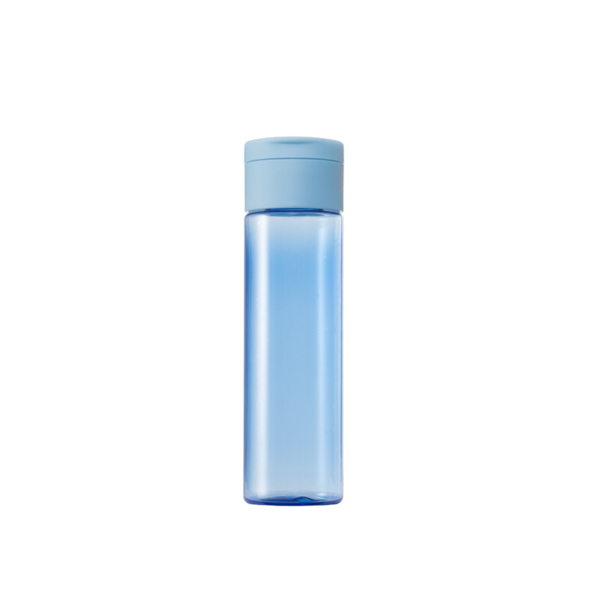
You’re packing a new lotion for launch day and the lab is buzzing. The team picks a pet pump bottle that looks sturdy and clean on the counter. By Friday, a few boxes show minor leaks after a quick ride in the delivery van—just a short hop across town. In many categories, packaging issues drive a chunk of returns, sometimes more than product faults themselves (shipping knocks are ruthless). If a small shake can cause drip, what happens after a week in transit? And what does that say about the way we compare pump systems in the first place?
Here’s the thing: many teams only compare by price or looks. They skip how the actuator works with viscosity, or whether the spring rate aligns with dose output. Those details sound technical, sure, but they decide how the bottle behaves in real life—on a bathroom shelf, in a gym bag, or in a delivery truck bouncing over a pothole. So, how do we sort the signal from the noise, politely and clearly, without overcomplicating it? Let’s line up the right comparisons and move step by step to better decisions.
Part 2: The Hidden Pain Points Users Don’t Report
Many teams judge pet plastic pump bottles by surface traits: clear resin, neat silhouette, nice label real estate. But the quiet pain points live under the cap. A small mismatch in thread finish can undercut closure torque and invite micro-leaks. A stiff spring can force a user to “prime” too many times and waste product. If the actuator geometry ignores viscosity, dose output becomes erratic. Look, it’s simpler than you think: the pump is a tiny engine, and engines need matching parts—funny how that works, right?
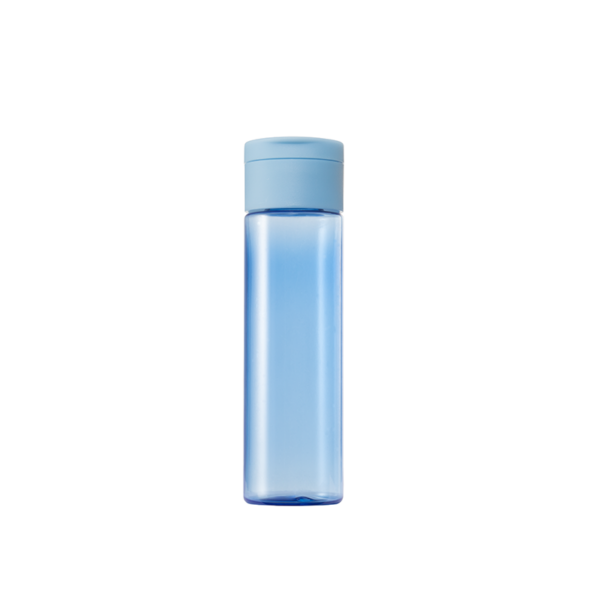
Users won’t say “the gasket compression set failed.” They’ll say “it drips.” They won’t mention backflow or venting; they’ll say “it’s messy.” When we translate that, we see patterns: poor seal integrity during thermal changes, weak rebound after drop test, slight warp from hot-fill or sunlight. The root cause often sits in tiny tolerances and resin behaviour. PET resists impact, but it still demands the right cap fit and actuator alignment. Fix those interactions and the “annoying drip” vanishes, along with waste and returns.
Why do “good” pumps still leak?
Part 3: Looking Ahead With Better Comparisons
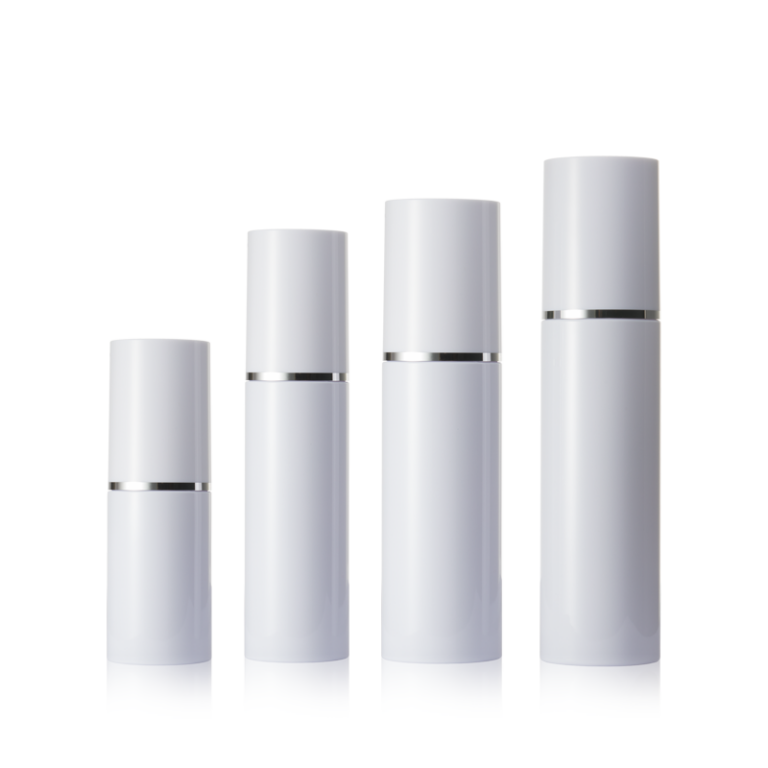
New pump designs lean on simple principles used well. Vented closures equalize pressure so heat and altitude swings don’t push product past the seal. Low-torque actuators pair with tuned spring rates to keep dose output steady across viscosities. Airless options reduce oxygen ingress, guarding formula stability (and that first-squeeze feel). When you evaluate a china pet pump bottle, compare how its ISBM-formed neck holds torque after capping, and whether the pump’s rebound remains stable after an e-commerce drop test—small checks, big wins.
What’s Next
The takeaway is practical. We learned the leaks aren’t random; they trace back to fit, force, and flow. Next time, use three metrics to choose well: 1) Seal integrity under heat/cold cycling (does the closure maintain compression and no creep?). 2) Dose consistency across a viscosity range (actuator geometry plus spring rate should keep variance low). 3) Transit resilience after repeated drops and altitude change (no weeping, no backflow). Keep the tone calm and the tests clear—and yes, it matters. With this view, price and looks still count, but performance leads the conversation. That way, the bottle works in the lab and on the road, which is where users live. For steady guidance across these choices, see NAVI Packaging.