

Introduction
Let me be straight: bad room audio steals more time than a long agenda. In many teams, the conference room speaker and microphone system decide if your big idea lands or gets lost in the buzz. Picture this—Monday morning, hybrid call, people join from home, folks gather around the table, and someone whispers, “Can you hear me now?” Studies show meeting audio issues burn minutes per hour and drop focus hard; with a modern digital meeting device, that drift can be cut down by fixing SNR and reducing latency at the source. So, if the data keeps telling us audio is the bottleneck, why do we treat it like a side gig (wi, nou tout konn fè sa)? Here’s the kicker—acoustic echo cancellation works, but only if the room, the DSP, and your habits play nice — funny how that works, right? Let’s set the baseline, then move.
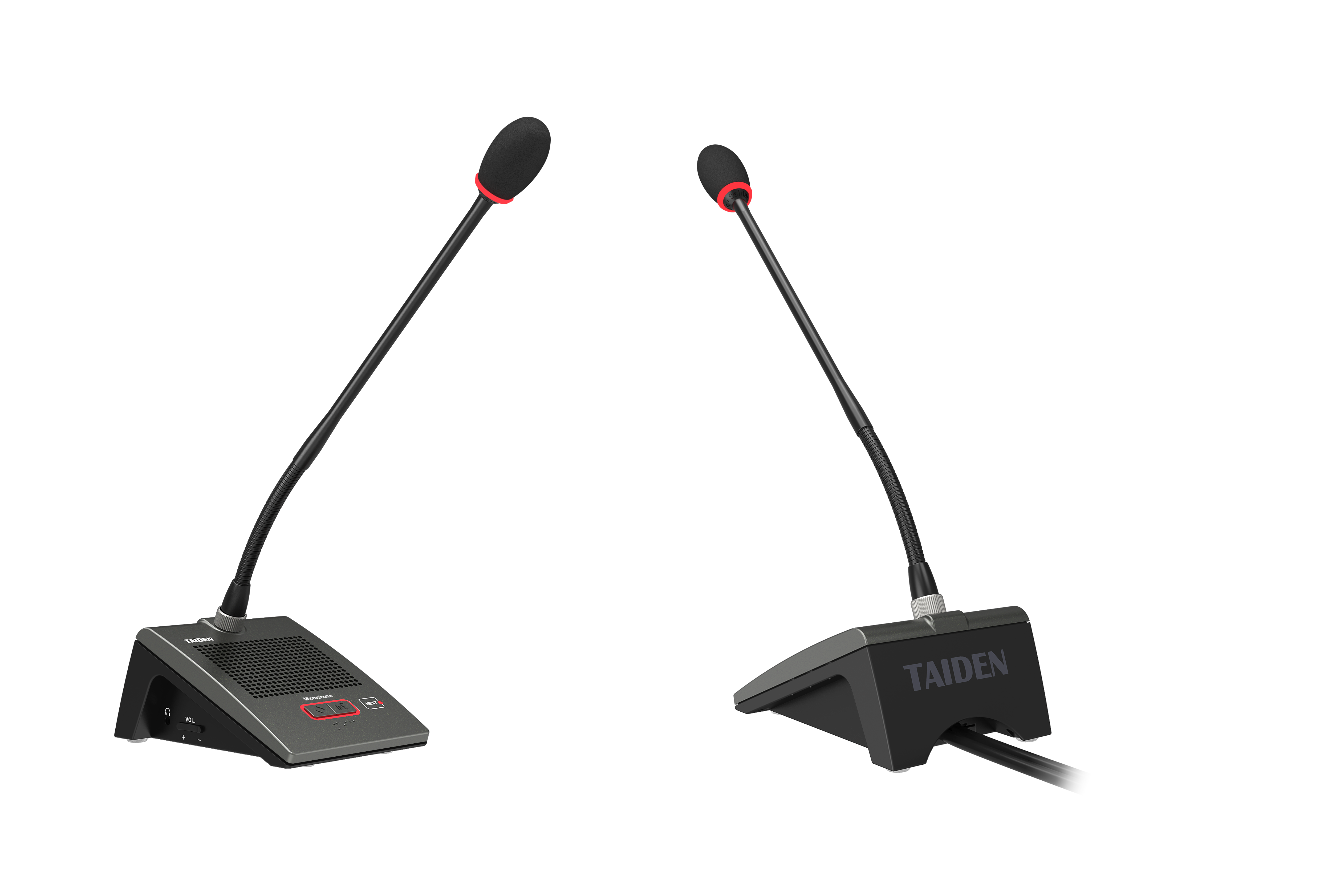
Hidden Frictions Beneath the Glossy Console
What’s the real blocker?
Look, it’s simpler than you think—and a bit sneakier. Most “all-in-one” boxes feel easy on day one, but they hide pain points that show up when twelve people talk, screens share, and the HVAC hums. A digital meeting device lives or dies by how well it balances beamforming with room geometry. Ceiling tiles reflect. Glass walls smear sound. Your auto-mix might chase the loudest chair, not the best voice. That drops clarity and boosts fatigue. Then add app-layer glitches and network QoS gaps. The result? Delay stacks up, AEC fights back, and the room sounds “underwater.” People blame the mic, but the culprit is shared: poor gain structure, bad placement, and DSP presets that never met your space.
Traditional fixes lean on more hardware: more table mics, bigger speakers, heavier power converters, and “set-and-forget” PoE runs. But these add points of failure and noise. Edge tuning matters. Map talk zones, not just seats. And force-test your echo path with the display volume at real meeting levels—not the soft setup mode. Also, audit cable runs and switch ports for jitter. QoS isn’t fancy; it’s air for your words. Without it, even the cleanest beamforming falls apart—and that’s the catch. In short, the gloss hides the grind. If your workflow doesn’t match your room, no preset will save you.
New Rules, Better Sound: A Forward-Looking Take
What’s Next
The next wave is not more gear. It’s smarter paths. Systems now combine adaptive beamforming with dynamic noise suppression that learns the room profile over time. Think: microphones that reweight lobes as people stand, and speakers that throttle output to dodge feedback loops. Newer DSPs do multi-band AEC and cross-talk detection, so side comments don’t trigger sinkholes in the mix. Pair that with edge computing nodes in the room—low-latency, local decisions—so you don’t wait on the cloud to quiet a vent. And when you shift to a wireless conference room microphone and speaker system, you gain layout freedom without the cabling drag. But do it with intent: manage RF planning, coordinate channels, and validate battery cycles against your meeting culture. Flex beats brute force.

In practice, this means designing from the listener back. Start with speech intelligibility targets, not just SPL. Set a ceiling for round-trip delay, and enforce it. Use networked audio with clear VLANs and tight QoS rules. Where PoE fits, keep run lengths honest; test each switch like a mic preamp, not a mystery box. Then measure. Log failure modes. Compare before/after SNR, not vibes. Summing up our path so far: the old pain hid in presets and placement; the new win lives in adaptive control, verified by numbers — and by calmer faces in the room, cheri.
How to Choose with Confidence: Three Metrics That Matter
To wrap, keep it practical and measurable. One: intelligibility first—target consistent STI scores across the main seats and remote endpoints; don’t settle for “sounds fine” in one chair. Two: stability under load—stress-test with screen share, full table mics, and real HVAC noise; watch latency, AEC performance, and dropout rates. Three: lifecycle fit—verify firmware cadence, RF coexistence for wireless, and serviceability of parts like batteries and cables; plan for upgrades without tearing the room apart. Do this, and your conference room speaker and microphone system stops being a guess and starts being an asset—simple. And if you want a reference point for modern, scalable meeting audio, see TAIDEN.