
Setting the Stage: Why the Old Playbook Doesn’t Cut It
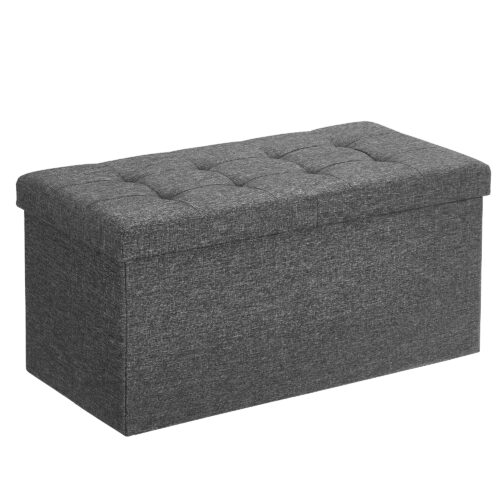
Here’s the punchline up front: the ottoman space is moving faster than your morning commute on the Pike. Every ottoman manufacturer I’ve talked with in the last year is grappling with shorter cycles, tougher specs, and buyers who notice everything. Picture a boutique lobby, a dozen ottomans pulling double duty as seats and tables; now imagine a 14% return rate tied to wobble, fabric pilling, and color drift. That’s real money, and it’s not rare. So the big question: are we comparing the right things—frame integrity, foam durability, hinge torque—or are we stuck chasing surface fixes that don’t last a season? This matters because the demand curve is up, but patience is down (Boston truth: you only get one shot before a customer walks). Data says lead times drop, SKUs rise, and tolerance for defects hits zero. The gap is obvious: classic builds can look great on day one, but performance falls off by month three. And that gap? It’s widening. Let’s stack the old against the new and see where the real leverage sits.
Under the Fabric: Hidden Pain Points Buyers Miss
Where are the pain points, really?
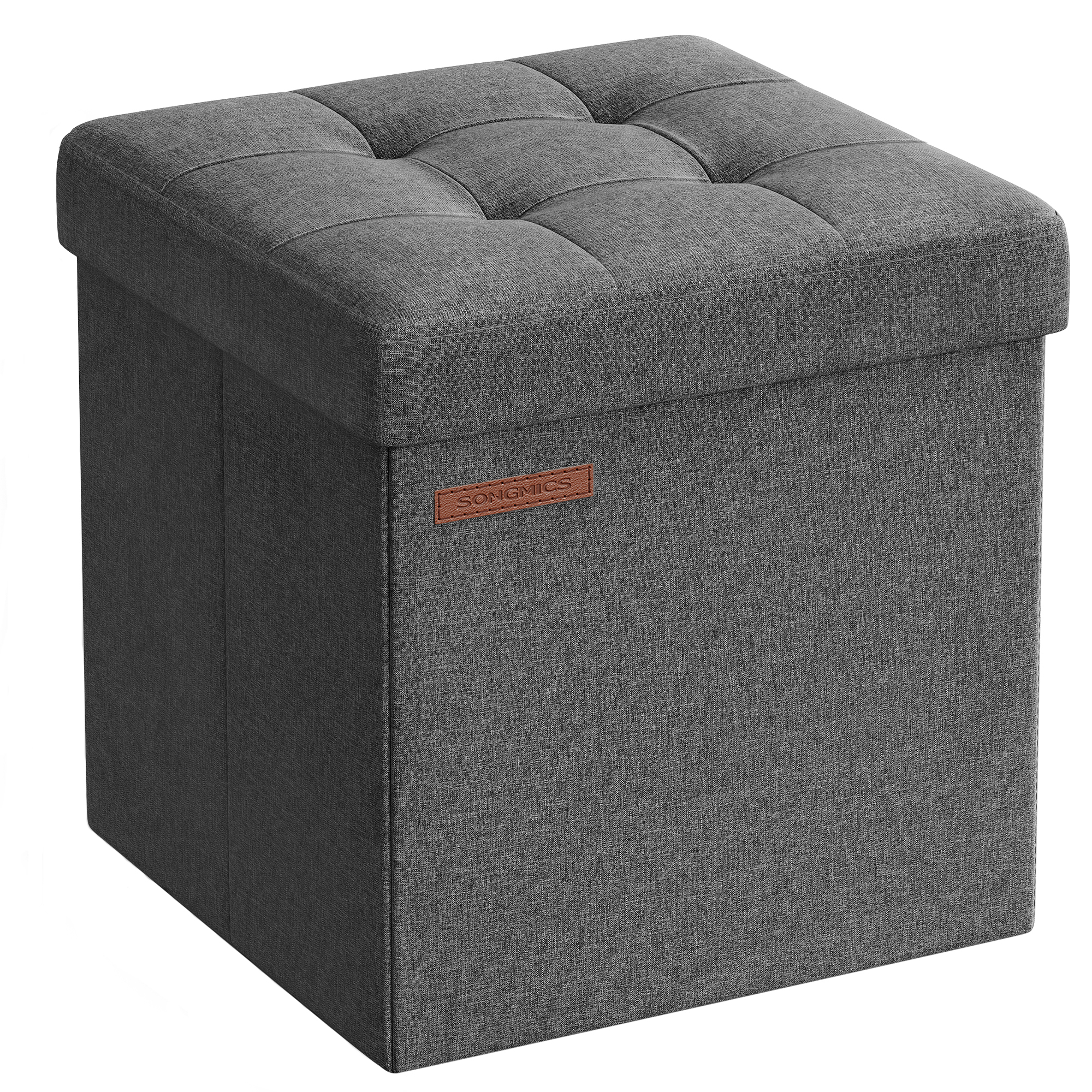
For ottoman chair manufacturers, the problems aren’t just in the price list—they’re in the specs behind it. Look, it’s simpler than you think: a load-bearing frame set at the wrong fastener spacing will rack under side load; foam with the wrong ILD rating bottoms out in weeks; hinges without verified torque specs slam or drift. Users feel it, even if they can’t name it. They notice storage lids that bite, visible seam creep, and legs that loosen from soft substrates. VOC emissions? That’s another quiet dealbreaker in multi-unit projects. The old “thicker foam, stiffer board” fix only hides symptoms. Without better QC sampling and dimensional tolerance control, you get batch variance that’s obvious under showroom lights—funny how that works, right?
Traditional solutions mask the flaws. More staples in the base won’t fix a weak rail; heavier fabric won’t stop pilling if fiber content and abrasion ratings are off. The usual culprits: plywood cores with voids, generic hinges without cycle testing, and seams cut without CNC patterning, which lifts your variance across runs. Then there’s the human side: confusing assembly instructions lead to over-torqued bolts and stripped inserts. Color? If you’re not checking delta E between dye lots, you’ll see mismatched panels the moment daylight hits them. And in supply chain terms, long lead times push last-minute substitutions, which multiply defects. Buyers don’t say “your ILD is wrong.” They say, “this feels cheap,” and they’re already gone. That’s the pain point map—small misses that add up to churn.
Forward Look: Lean Tech and Smarter Specs
What’s Next
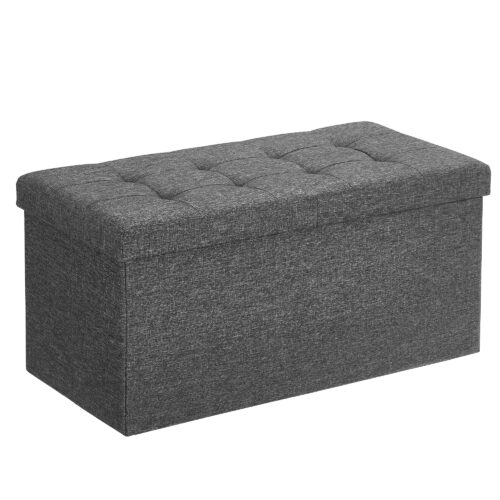
The next wave isn’t hype; it’s new technology principles made practical. CNC nesting for fabric and board stock cuts waste and holds seam tolerance. Modular subframes with reinforced corner blocks control deflection under off-axis loads. Digital colorimeters keep delta E tight across batches, so panels match in real rooms, not just under warm photography. Low-VOC, water-based adhesives reduce off-gassing without sacrificing bond strength. Add QR-coded parts and you get traceability from hinge torque logs to foam batch IDs—so an ottoman wholesaler can spot issues before they leave the dock. The principle is simple: measure what users actually feel (stability, smooth lift, soft-close action), then design upstream around those metrics. Pair just-in-time replenishment with smarter SKU rationalization, and the factory stops firefighting. Less guesswork, more repeatable builds—wicked efficient.
Compared to the old playbook, these upgrades aren’t flashy; they’re steady. We learned that hidden defects live in tolerance drift, untested hinges, and foam that fatigues too fast—so we anchor specs there. To pick the right partners, use three evaluation metrics: 1) frame deflection under a 200 lb off-center load, measured after 5,000 cycles; 2) foam ILD retention after compression cycling (aim for ≥85% of original); 3) color consistency with delta E ≤1.5 across production lots. If a maker can show these numbers with QA audits and service data, you’re looking at fewer returns and longer in-field life—not bad for a footrest, huh? Keep the tone practical, the tests honest, and the feedback loop short. That’s how the comparison breaks in your favor, today and six months from now. Learn more at SONGMICS HOME B2B.