
Introduction — What a modern lathe really needs
I’ll start by breaking down what I mean when I say “upgrade” for a CNC lathe: better cycle time, cleaner tolerances, and more reliable uptime. CNC lathe manufacturers face a simple math problem—small gains in spindle speed or tool change time multiply across thousands of parts to big cost savings. Recent shop-floor audits show single-line bottlenecks can shave 10–25% off throughput if addressed (and I’ve seen estimates backed by real run charts). So what exact weaknesses should you target first—spindle thermal drift, servo motors hunting, or outdated CNC controllers—and how do you measure progress?
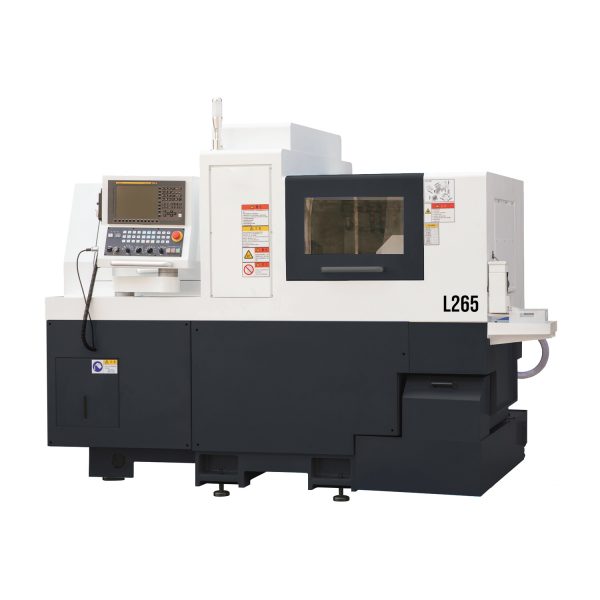
I’ve spent years on shop floors and around test benches. When I look at a machine I check chuck alignment, the tool turret repeatability, and the coolant system behavior. Those are basic metrics, yes, but they often reveal deeper issues: poor feedback loops in servo motors, imprecise tool offsets, or control firmware that can’t schedule motion efficiently. This piece will take you from identification to decision—step by step—and leave you with concrete criteria to evaluate suppliers and retrofit options. Now, let’s dig into the problems that trip up upgrades and why common fixes often miss the point.
Part 2 — Why common fixes fail (hidden pain points)
cnc lathe suppliers will pitch faster spindles and fancier controllers as silver bullets. I’m blunt: those alone rarely deliver the expected ROI. Directly replacing a spindle or buying a premium CNC controller without rethinking the entire machine interaction is like putting a turbo on an engine with worn pistons—you’ll get smoke and uneven results. Look, it’s simpler than you think: root causes are often in the integration layer (feedback tuning, tool offset strategy, and cycle time sequencing), not just the headline spec sheet.
Two common hidden pains I see: first, measurement mismatch—shops measure spindle rpm but not true part-to-part variation tied to thermal growth. Second, control mismatch—upgraded controllers sit on old I/O and can’t exploit new motion profiles because the encoder resolution or fieldbus latency is unacceptable. You end up with lower cycle time on paper but worse scrap rates in reality. I’ve fixed this by re-evaluating encoder resolution, refining spindle speed curves, and retuning servo motors to match the mass and damping of the machine. The payoff? Shorter setup times and fewer scrap incidents. (Yes, you’ll need a little patience—tuning takes time.)
Are tooling and process overlooked?
Absolutely. Tool geometry, insert choice, and the turret’s repeatability change the whole equation. If the tool turret has runout, a new controller won’t help. If coolant delivery is uneven, surface finish suffers regardless of spindle speed. So when vendors promise performance jumps, ask for run-off tests under your exact process conditions. I insist on them. Practical tests reveal the costs that spec sheets hide.
Part 3 — Future outlook: practical steps and metrics
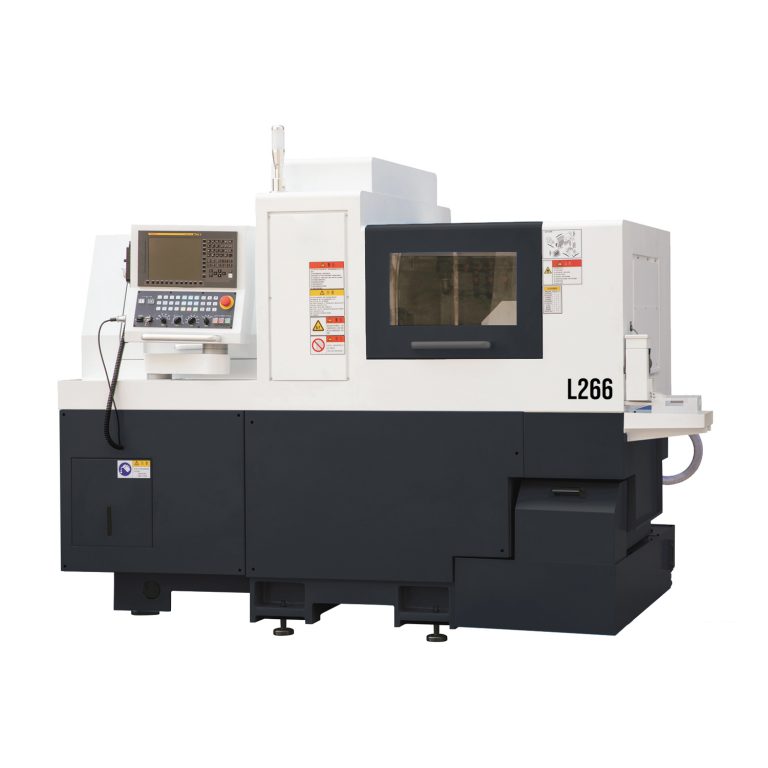
Looking forward, I focus on systems thinking. Upgrades that succeed combine hardware, firmware, and process control. Consider retrofitting with smarter CNC controllers that support predictive maintenance and tighter spindle thermal compensation—provided the rest of the machine can match those capabilities. When I advise shops, I recommend pilot projects: one cell, instrumented with vibration sensors and cycle-time logging, then compare results. This approach scales. Plus, you’ll spot secondary gains—reduced downtime, better energy use—faster than you expect.
What’s next for smart lathe cells?
Think integrated diagnostics (vibration, encoder health), adaptive control routines, and modular upgrades that don’t require full machine teardown. I’ve seen a pilot where, after adding higher-resolution encoders and revising tool offsets, cycle time dropped 12% and reject rates fell by half—real numbers, measured across a 1,000-part run. — funny how that works, right? For suppliers and shops, the choice becomes less about the biggest spec and more about compatibility, service responsiveness, and test evidence.
To close with practical help, here are three evaluation metrics I use when choosing solutions: 1) Measured cycle-time delta under your process (not vendor demo), 2) Repeatability of tool change and turret index (microns), and 3) Diagnostics depth—can the system report encoder drift, spindle vibration, and coolant anomalies? These metrics are actionable. I urge teams to require them up front and to run a short acceptance batch with real parts.
We’ve covered identification, the hidden pains that trip upgrades, and the practical path forward. I believe upgrades should be conservative in scope but bold in measurement: small changes, validated by data, compound into big wins. If you want a starting point, explore vetted cnc lathe suppliers and insist on shop-floor trials. I’ll say it plainly—I prefer suppliers who bring data, not promises. For a reference, consider the options from Leichman when you’re ready to take the next step.