
Introduction — a shop floor story
I was in a mate’s workshop the other day, watching him wrestle a bent chuck — proper scene, like a day at the market. The place hummed with metal and radio chatter, and I scribbled numbers: 42% of small shops report downtime that eats profit (Industry survey, recent). CNC turning and milling machine tech is at the heart of that hum, yet so many shops still lose hours to setup and scrap. You ever stop and ask why a machine that costs a fortune still lets you down on the basics — repeatability, speed, and simple fixes? I’ll tell you what I saw (and what the numbers say). Next up, we’ll dig into the real trouble under the hood.

Why heavy duty cnc lathe setups still sting — the hidden faults
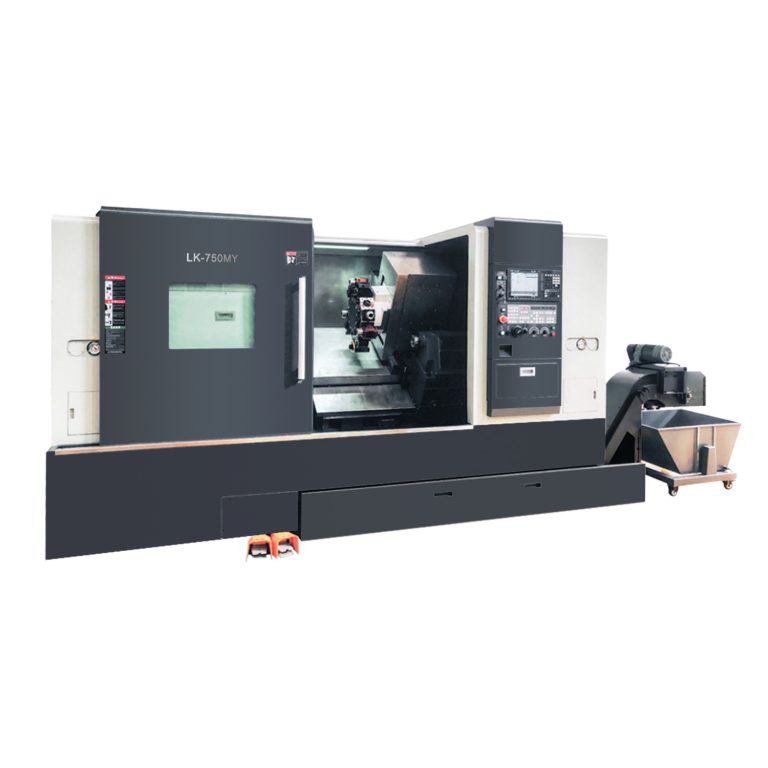
heavy duty cnc lathe — the name sounds solid, right? Yet even stout rigs trip up shops. I want to be blunt: old workarounds and legacy fixturing cause more delays than you might expect. Spindle speed mismatches, tool turret indexing errors, and inconsistent feed rate tuning crop up all the time. These aren’t tiny glitches. They add up as scrap, missed delivery windows, and angry customers. In my view, blaming operators only hides the real issue: systems designed for scale, not the nimble shop. Look, it’s simpler than you think; most failures trace back to setup complexity and poor feedback loops.
What exactly breaks first?
We see three common failure modes. First, manual offsets and clumsy fixturing lead to repeatability problems. Second, inadequate sensor feedback hides tool wear until it’s costly. Third, control interfaces are built for keyboard jockeys rather than hands-on fitters. I’ve walked through this with dozens of shops. The fixes are clear but not easy — they need rethinking of how we set up jobs, how we monitor spindle health, and how we automate simple checks. If you want a shorter shop downtime metric, start there.
Principles shaping the next wave of quick turn cnc machining
What’s next? We’re heading toward smarter, faster setups that cut non-cut time. The push is toward integrated solutions: closed-loop feedback on spindle speed, smarter servo motor control, and live tooling that swaps tasks without a full stop. I like to break it down into clean principles I can explain at the bench: simplify setup, measure continuously, and automate repeatable steps. For shops chasing quick turn cnc machining gains, these principles mean fewer human errors and faster job changeovers. The tech isn’t magic — it’s practical engineering applied where it hurts most.
What’s Next?
In practical terms, I expect modular tooling racks, onboard diagnostics, and better human-machine interfaces. These will let operators change parts with confidence. We’ll see predictive alerts for worn inserts and simple calibration routines that a fitter can run in minutes. — funny how that works, right? This will lower scrappage and cut lead times. I’ve watched a small shop reduce their setup time by half after adopting a few of these ideas. The gains are measurable. They matter to margins and to staff morale.
How to choose: three metrics I use (and you should too)
When I advise a shop, I focus on three things you can measure. First: actual setup time under real conditions — not the spec sheet. Second: mean time between failures for tooling and spindles — how often does a process stop? Third: effective cycle time including non-cut moves — the full clock from part in to part out. Use these metrics to compare machines and workflows. I always recommend a simple trial run and logging. It shows more than glossy brochures ever will.
We’ve covered why old lathes and setups still hurt, what principles will fix that, and how to test gear in your own shop. I’ve seen the difference hands-on. If you want a specific model that marries toughness with the smart features I’ve mentioned, take a look at Leichman — their designs reflect the practical fixes we need on the bench.