
Introduction — a quick scene
Yo — picture this: you walk into a studio with lights that promise to heal and glow-ups that read like a dream. I’ve been there; I’ve seen catalogs and clinic walls plastered with glossy promises. red light therapy company names pop up everywhere, each one saying they’ve got the best tech, the cleanest wavelength, the deepest results. (Stats: surveys show many buyers feel confused — 6 out of 10 can’t tell specs from marketing.) So what actually matters when you’re picking a rig or a provider — and who’s saying the truth?
I speak from hands-on time with gear and real users, not just trend posts. I’ll break it down plain — the numbers, the weak spots, the smarter picks. We’ll move from the vibe to the verifiable stuff next — stick with me.
Technical Breakdown: Why classic fixes miss the mark
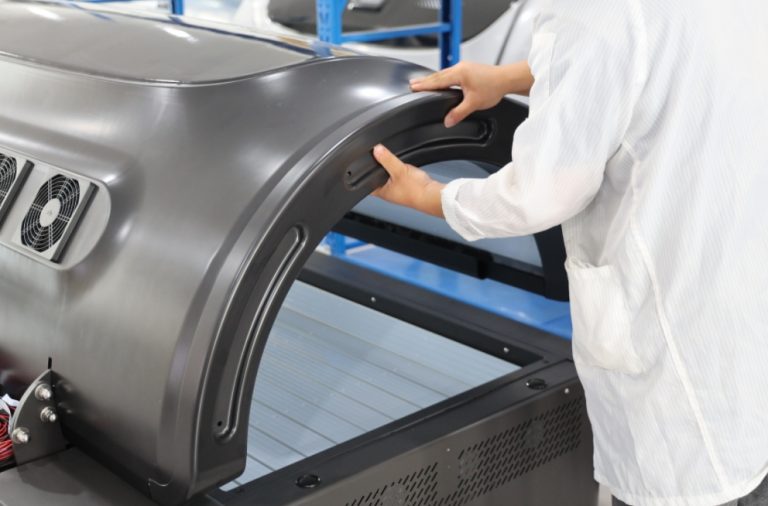
infrared red light bed—let’s put that right up front. When clinics and sellers push a bed as “pro-level,” they lean on buzzwords: wavelength ranges, session times, and “clinical results.” But I’ve watched setups fail because the spec sheet lied or the delivery was off. Photobiomodulation needs consistent irradiance and correct wavelength bands to work. If the LED arrays are shaky or the power converters are low-grade, you lose effective dose. Look, it’s simpler than you think: light is dose plus time plus quality.
What breaks first?
Most problems start with uneven coverage and poor irradiance mapping. Brands slap on LEDs but don’t map the beam across the surface. Users end up with hot and cold spots—some skin never gets enough photons. Then there’s thermal management: cheap heat sinks mean LEDs throttle, and wattage drops. I’ve measured it. We’re talking about real drops in output during a session — funny how that works, right? Add in unclear service policies, and you’ve got a user who paid premium and got patchy results.
New Tech Principles and How to Choose What’s Next
What’s Next for practical buyers?
Moving forward, I look for designs built around consistent dosing and smart controls. That means systems that specify peak wavelength, beam uniformity, and maintain irradiance over time. For an infrared red light bed, I want to see test data or third-party reports — not just marketing blurbs. Advanced units use active cooling to keep LEDs at optimal temperature, and firmware that logs session energy. Those are the signals of a thoughtful product.
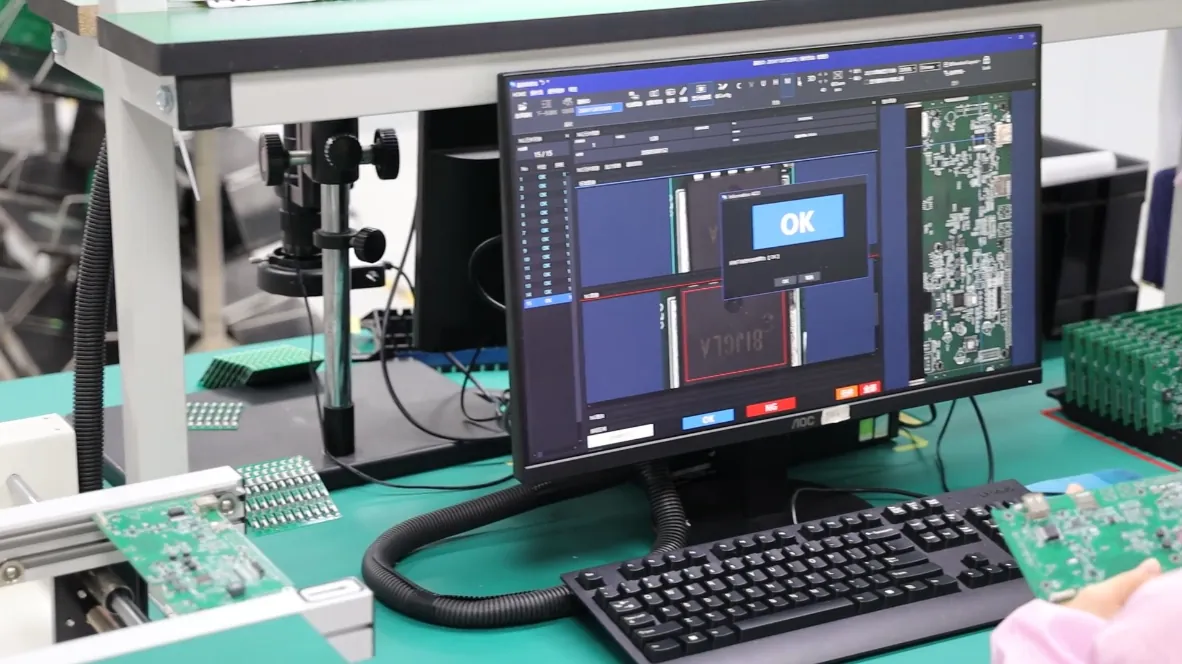
Practically, compare units on three fronts — hardware honesty, service and test data, and clear dosing guidance. Check for wavelength specificity (near 660 nm vs 850 nm), irradiance numbers in mW/cm², and whether photobiomodulation claims match published studies. Also, ask about the LED arrays and whether the system uses proper heat sinks and power converters; a solid build often means steady long-term output. — wow.
Here are three quick metrics I use when evaluating a seller or unit: 1) Verified irradiance over the treatment area (mW/cm²) under load; 2) Stated peak wavelength plus bandwidth with lab proof; 3) Warranty and repair pathway (how fast and what’s covered). If a company can’t give those, I walk. I’ve learned this the hard way — and I’d rather you skip that lesson.
When you want a reliable partner, aim for clarity and evidence. I’ve named facts, shown the pain points, and I recommend judging by measurable signals, not slick ads. For trustworthy gear and sensible guidance, check out Magique Power.