

In today’s fast-paced energy landscape, I often hear about businesses grappling with inefficient power distribution. In fact, a staggering 30% of energy loss occurs due to subpar connections and transformer inefficiencies. How can we ensure our systems are running optimally? A reliable three phase power transformer is crucial to addressing this concern, potentially revolutionizing your electrical environment.
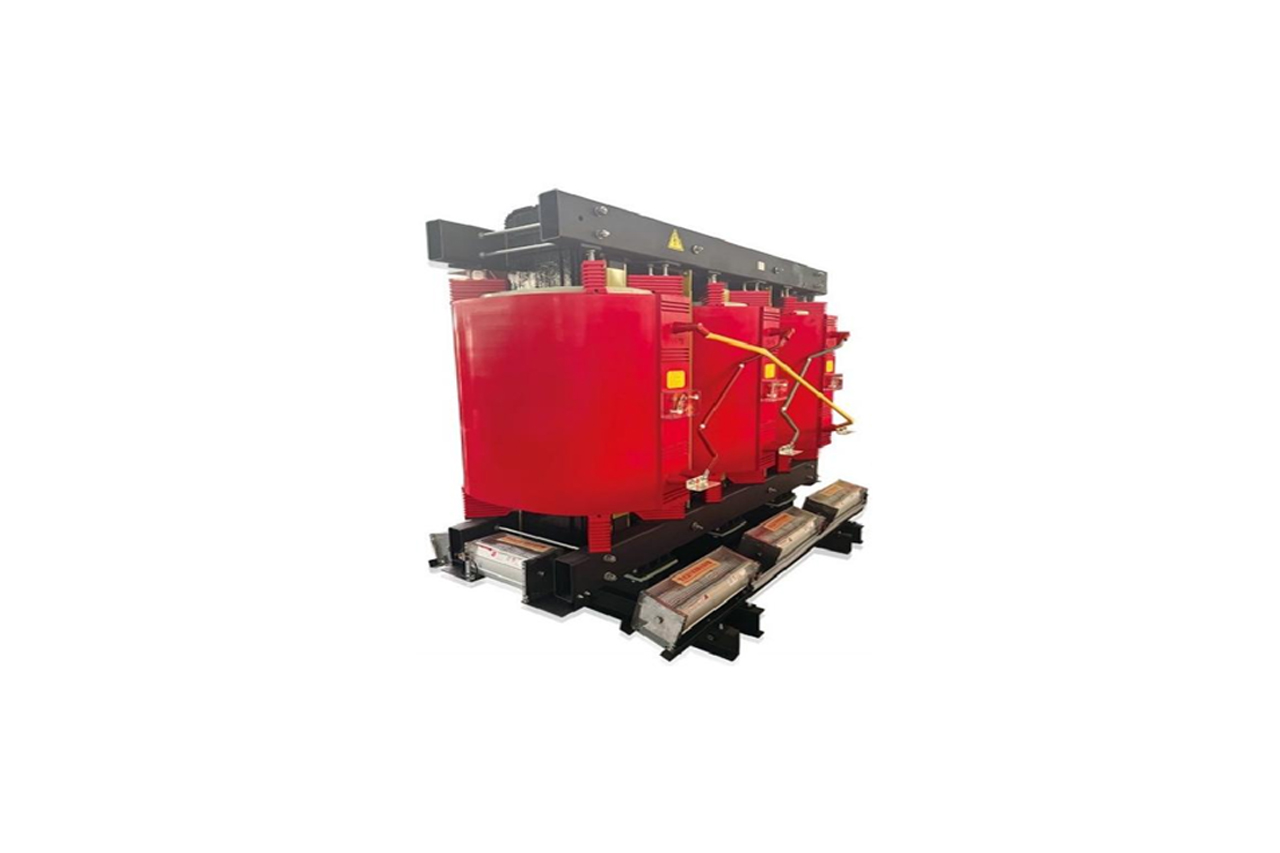
Understanding the Essential Role of Three Phase Power Transformers
Let me break it down for you. The typical operation of a three phase transformer involves the conversion of high voltage electrical energy to lower voltage levels suitable for end users. Many businesses overlook how vital this piece of equipment is, often only recognizing its importance when faced with costly outages. Transformers are more than just devices; they are pivotal in managing your load requirements, ensuring continuity and reliability in operation. I have seen firsthand how a well-implemented transformer can dramatically reduce operational costs.
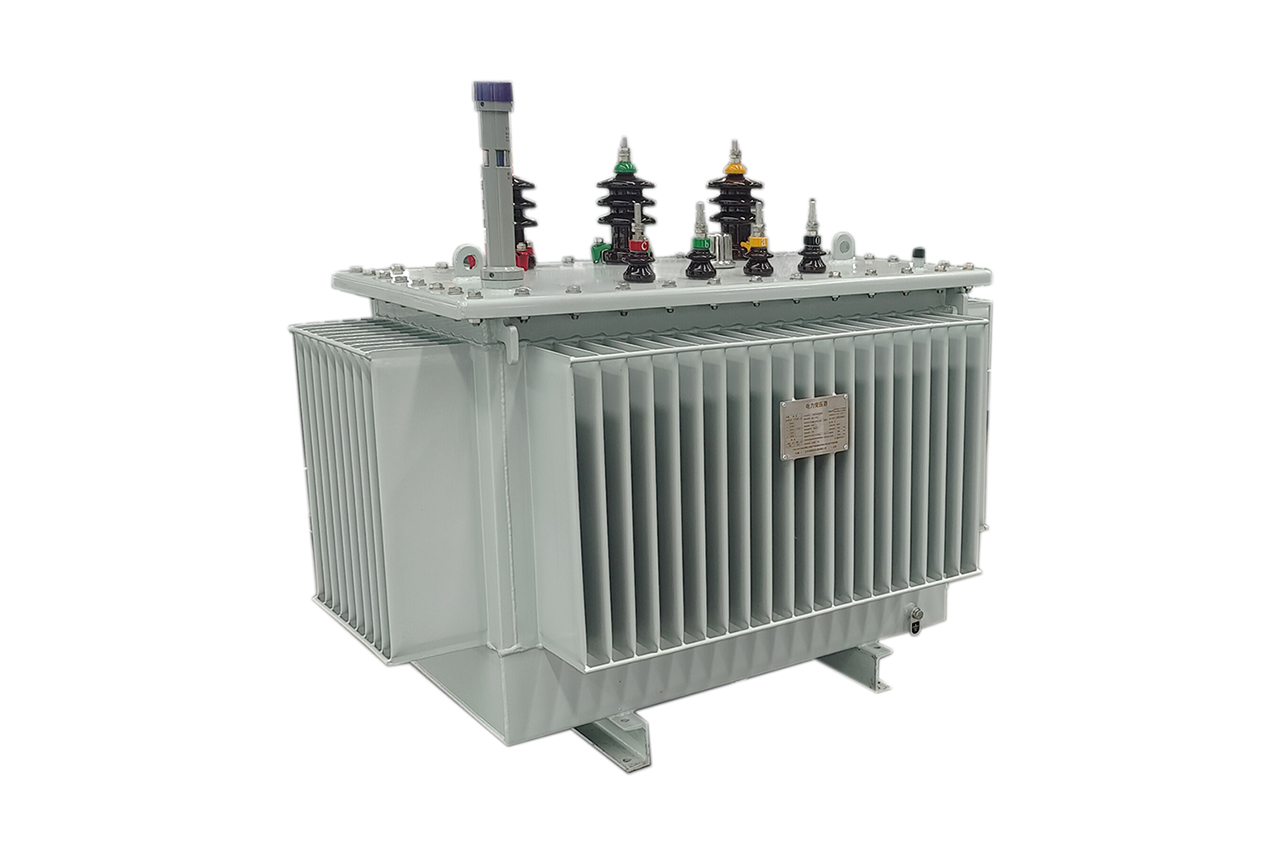
It’s essential to remember that traditional solutions can harbor significant flaws. For example, inadequately sized transformers can contribute to overheating and increased failures. A deeper understanding of the load versus the transformer rating could mean the difference between smooth operations and disruption. The consequences of underestimating this can be severe, resulting in lost productivity and revenue.
Investigating Hidden Pain Points in Power Management
Since we’re diving deeper, let’s explore a few hidden pain points. Many users fail to recognize the importance of transformer maintenance. I vividly recall a case where a friend’s manufacturing facility was shut down for two weeks due to a neglected transformer failure. (Talk about a nightmare!) A lack of predictive maintenance can lead to unforeseen issues that could easily be avoided. Regular checks and employing specific monitoring technology can help mitigate these risks.
What’s Next for Power Distribution?
As we transition into a more digital age, it’s essential to look forward and consider the implications of human error in energy distribution systems. A well-integrated power distribution transformer plays a critical part here. I foresee advancements in smart technology where real-time data analytics can optimize transformer performance. This shift could lead to significant cost savings and increased energy efficiency.
Moreover, it’s likely we’ll see greater adoption of renewable energy sources, which requires robust transformer systems capable of handling variable loads. I highly recommend considering both your immediate and future energy demands when selecting your transformer solution. As I’ve observed, the flexibility and adaptability of transformers will be paramount to efficiently managing diverse energy sources.
Key Evaluation Metrics for Choosing Transformer Solutions
As we wrap this up, I would like to share three key metrics to assist you in evaluating transformer solutions: 1) Efficiency Ratings: Look for ratings above 98% to minimize energy losses. 2) Load Capacity: Ensure that you account for all current and potential future demands. 3) Maintenance Needs: Consider how much upkeep your transformer requires versus the operational benefits it provides.
These components play an essential role in helping you avoid costly surprises down the line. The journey toward an optimized energy system doesn’t have to be overwhelming—take informed steps today. As always, if you need guidance, I encourage you to check out SH POWER for comprehensive solutions tailored to your power needs. Remember, investing wisely today could save you not just money but also headaches tomorrow.