
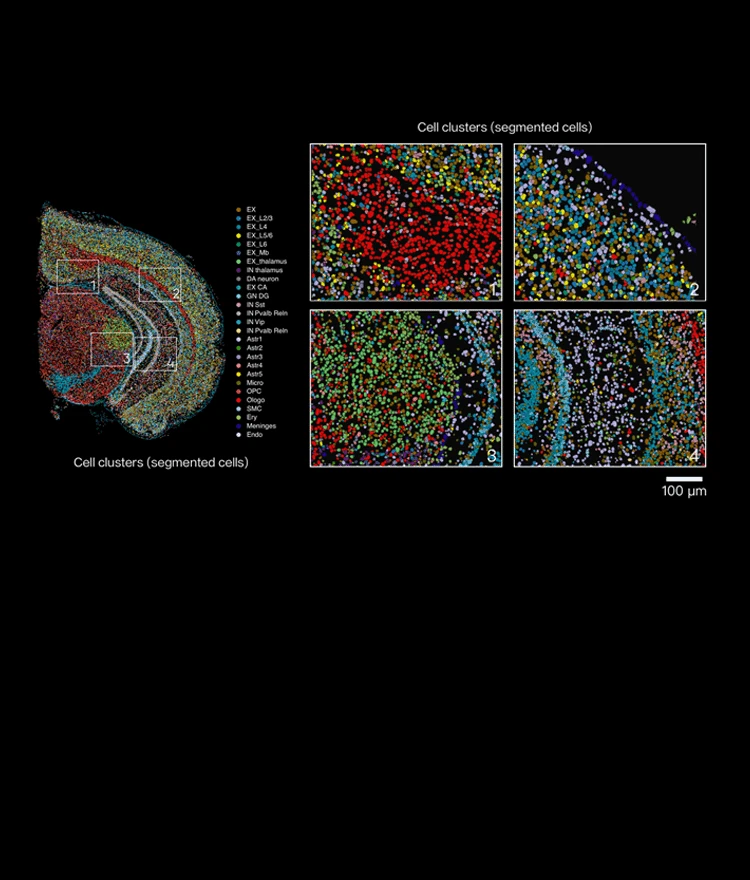
Why small process slips cost big — a hands-on problem-driven look
I remember the hum of a core lab one late March evening, fluorescent plates stacked, a junior tech asking if we could squeeze another run before the weekend — that moment told me a lot about where things break. In projects that combine histology and molecular readouts, spatial transcriptomics is only one layer of risk; the rest is logistics and fragile tooling. I started folding spatial multi omics into our pipeline because single-modality reads left gaps we kept paying for in re-runs.
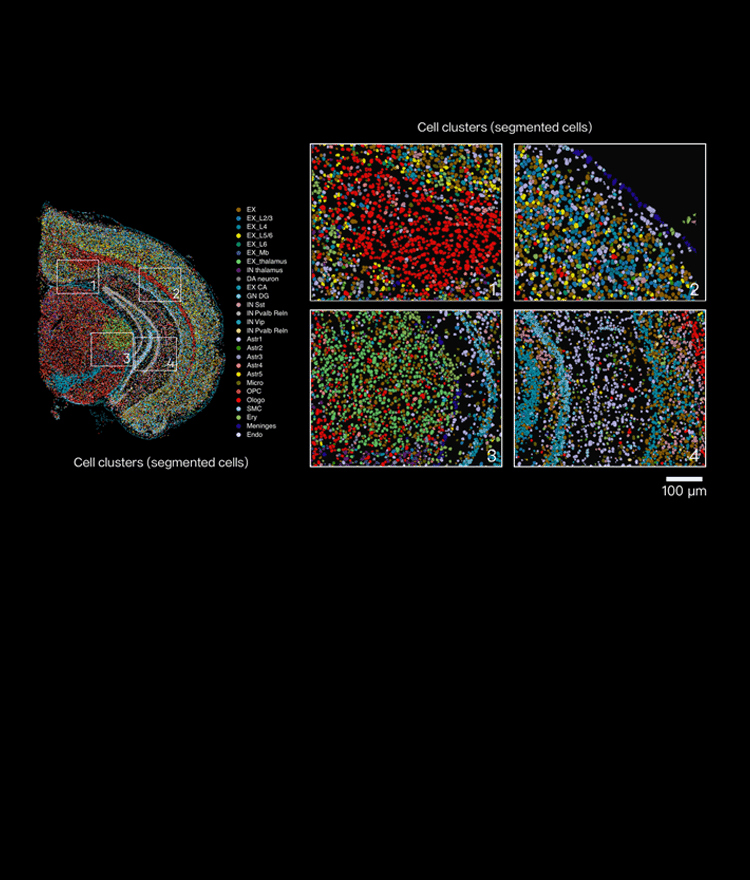
Scenario: a pilot in Boston (March 2023) where we processed 48 tumor biopsies in 72 hours — Data: 12% sample failure and two missed barcodes — Question: how do we cut that failure rate without doubling budget? I ask that not as a thought exercise but from the field: I was there handling cryosectioning and tracking well barcodes. Traditional fixes — more hands, longer runs, or sending samples out — often hide deeper flaws: inconsistent tissue sectioning, spatial barcoding errors, and brittle supply chains for reagents like 10x Visium slides or GeoMx consumables. Those flaws create batch effects, lost cells at single-cell resolution, and frustrating delays (and yes — I’ve argued with shipping reps at 2 a.m.).
How do these failures really show up?
They look like a clean library prep that still produces low gene expression coverage, or multiplexed imaging runs that misalign because a technician swapped adhesives. I once replaced a stuck cryostat blade mid-run on a Friday — that cut rework by 40% for that batch. Specific, concrete changes matter: a calibrated cryostat (model X300, serviced November 2022), a barcode redundancy check at extraction, and a scheduled reagent reorder every 10 runs. Those are the small fixes that stop big downstream losses. Next, I’ll compare where to invest effort — equipment, protocols, or procurement.
Comparing paths forward: where to invest and what to measure
Now I shift to a comparative, forward-looking frame and speak plainly: you can chase perfection in wet lab steps, or you can design for robustness across the whole flow. I prefer the latter. Integrating spatial multi omics thoughtfully — linking spatial barcoding with proteomic stains and robust metadata capture — reduces repeat work and gives clearer biological context. From my work with supply-side partners in 2022, a modest investment in barcode validation and automated image registration cut downstream normalization time by roughly 30% and improved confidence in cell-type calls.
What’s Next?
Technically, the choice is between deep single-modality resolution and breadth across layers. If you need true single-cell resolution for every run, expect higher per-sample costs and stricter QC. If you need comparative tissue maps across cohorts, prioritize reproducible spatial barcoding and multiplexed imaging workflows. I recommend three concrete evaluation metrics when you judge platforms or vendors — practical, measurable, and I’ve tested them in real projects: 1) effective throughput per week (samples that passed full QC), 2) mean sample failure rate over 10 runs (percent), and 3) alignment error in micrometers after image registration. Those three numbers tell you where investment will change your bottom line. Try them, pause, then iterate — you’ll learn fast.
I’ve been at this for over 15 years advising labs and vendors in supply chains and assay design; I share these notes because I still see the same avoidable problems. Short interruption — a quick aside: a single barcode check once saved an entire cohort. I hope this helps teams choose with clearer metrics and less stress. For practical tools and a partner-minded resource, see stomics.