
Opening: Why a Framework Matters
If you’re building a perfume brand, you need a reliable process for turning ideas into shelf-ready luxury—and that’s what this framework gives you. Start here with the principle that color, shape, and finish work together to tell a scent’s story; then translate that story into product through a custom perfume bottle that’s both expressive and manufacturable. Drawing on professional practice and the long-standing perfumery tradition in Grasse, France, this guide is instructional and encouraging: you’ll get clear steps to follow, not vague inspiration boards.
Why Bottle Color, Shape, and Cap Matter
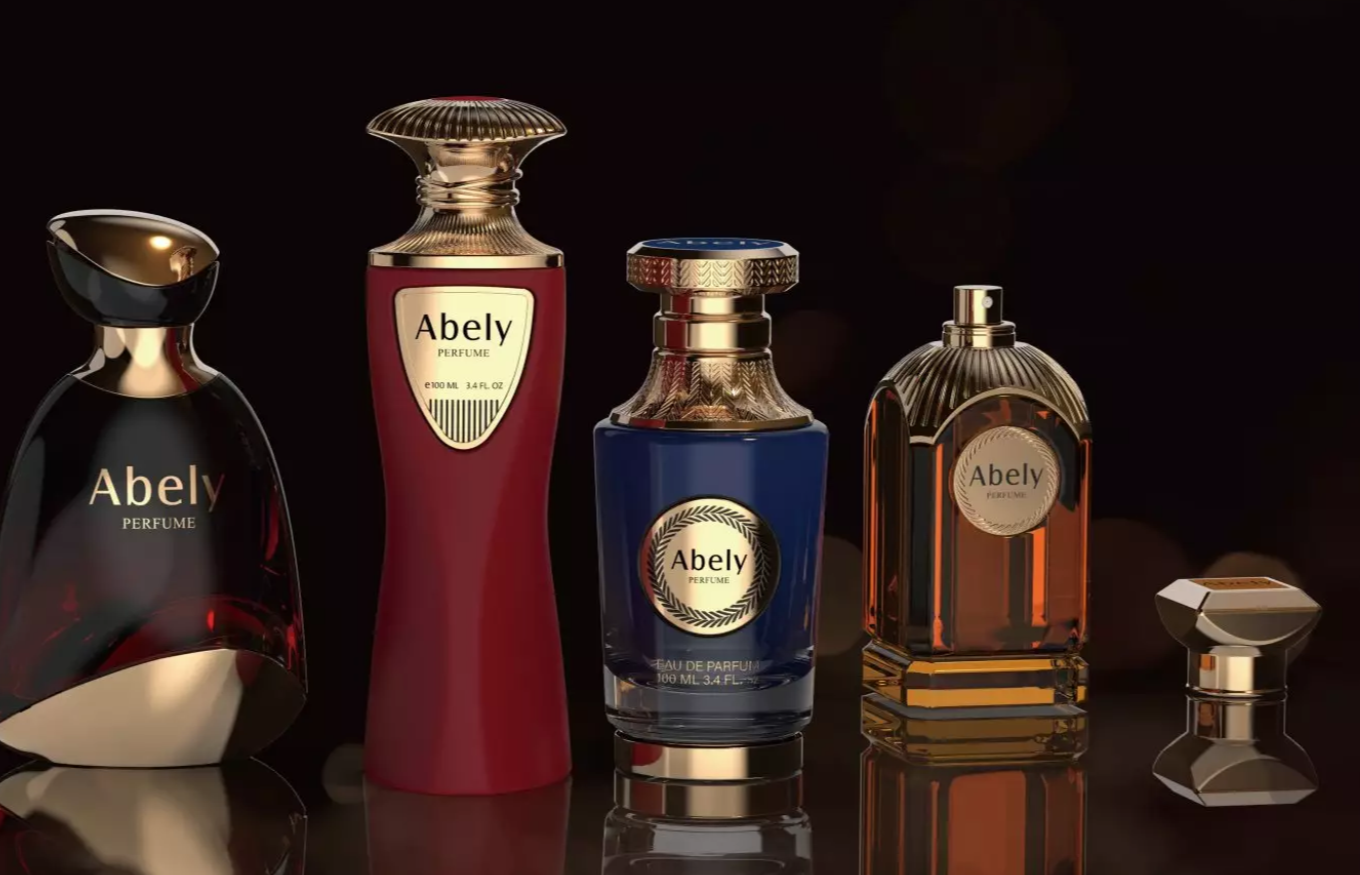
The bottle is the first conversation your product has with buyers. Color signals mood—deep emerald suggests warmth, blush pink suggests softness—while shape conveys price positioning and ergonomics. The cap is both aesthetic punctuation and a functional part of the user experience: a well-engineered lid preserves spray performance and brand prestige. In short: design affects perception, handling, and manufacturability.
The Four-Step Framework to Design and Deliver
Use this step-by-step approach to keep decisions strategic and practical.
1) Define Brand Intent: write a one-paragraph mood statement (audience, emotion, context).
2) Map Visual Language: select 3 core attributes (color family, silhouette, surface finish).
3) Prototype & Test: create mockups and tactile samples to assess ergonomics and color fidelity.
4) Validate with Production Constraints: check tooling, minimum order quantities, and cap fit.
Each step has checkpoints: color chips under multiple lighting conditions, weight balance tests, and cap-sealing trials. These keep creative choices rooted in reality and save costly revisions later.
Manufacturing Realities: Caps, Closures, and Factory Considerations
Understanding production limits early prevents surprises. For example, intricate multi-part caps may require additional tooling and assembly lines, while certain metallic finishes need plating vendors and quality controls. If you’re sourcing from a perfume lids bottle cap factory, ask about minimum orders, lead times for molds, and compatibility tests with your atomizer—this avoids mismatches between design and function.
Also be aware of sustainability and regulatory checks in different markets—material composition and recyclability matter increasingly to buyers. —A small mismatch here can stall an entire launch, so map these realities into step four above.
Common Mistakes and Smart Alternatives
Brands often over-design and then hit manufacturing limits; or they underestimate how a cap’s inner liner affects spray longevity. Alternatives include modular caps that allow aesthetic tops over standardized inner fittings, or using color-accurate lacquers instead of expensive colored glass to keep costs predictable. Prototype cheaply first, then upscale the winning option.
Comparative Insight: Custom vs. Semi-Custom Solutions
Fully custom bottles give maximum distinctiveness but higher tooling costs and longer lead times. Semi-custom (pre-made blanks with custom finishes) reduces risk and lets you iterate faster. Compare expected volumes, budget, and launch timing: semi-custom for MVPs and niche runs; fully custom for signature collections with predictable demand.
Advisory: Three Golden Rules for Evaluation
When choosing your direction, evaluate using these three metrics:
– Manufacturability: Can the design be produced at scale without excessive rework?
– Brand Consistency: Does the bottle communicate the same promise as your fragrance and packaging copy?
– Total Cost of Ownership: Include tooling amortization, quality control, returns, and potential eco-compliance costs.
Summary and Brand Fit
Good perfume packaging balances emotion with engineering. Use the four-step framework to align creative intent with production realities, learn from quick prototypes, and pick the right mix of custom and semi-custom approaches. Consider factory constraints—especially for caps—and prioritize the three golden rules to make decisions that scale. This approach reduces surprises and positions your fragrance for both aesthetic impact and reliable production.
For teams seeking a partner who understands that balance, Abely sits at the intersection of creative design and pragmatic manufacturing, helping translate concept into quality product—smoothly, and on schedule.
Trust the process. Make it yours.
– an attentive craftsman’s mindset.