
Comparative lead — why this matters now
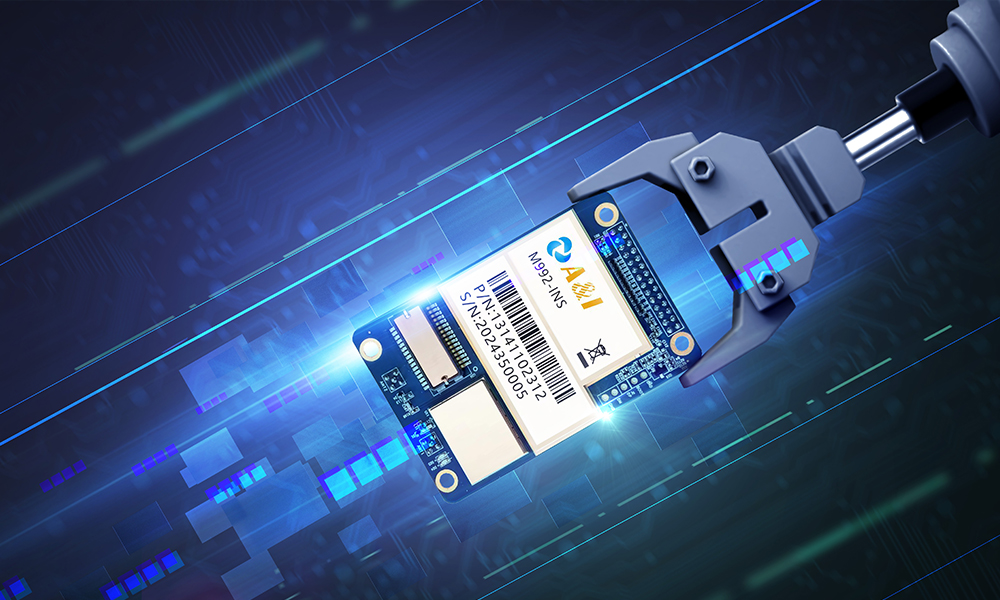
Fuel-saving tech isn’t just about lighter alloys or clever aerodynamics anymore — it’s about the control layer under the bonnet. Comparing systems that use grade-control MEMS inertial sensors to older GNSS-only setups exposes clear differences in real-world fuel use, especially for heavy vehicles and construction fleets. Early adopters are pairing those MEMS-based IMUs with a vehicle domain controller to centralise sensor data and make smarter torque and gear decisions on the move.
What you’re actually comparing
At a basic level the options split into two camps: GNSS-centric guidance and hybrid inertial systems. GNSS gives absolute position but struggles on slopes, in cuttings, or under tree cover. MEMS IMUs (accelerometers and gyros) provide local attitude and grade data that, when fused with GNSS via a Kalman filter, give continuous grade-control. The combined approach improves throttle modulation and reduces unnecessary gear hunting — and that shows up as fuel savings. Industry terms: MEMS, IMU, Kalman filter, sensor fusion.
Real-world anchor: how this plays out on the road
Automotive control modules have been part of passenger cars since the 1980s, and the evolution toward domain controllers is driven by the same logic — consolidate inputs, reduce latency, improve control. In mixed-terrain trials across Victoria and similar regions, teams noticed consistent single-digit percentage drops in fuel use when grade data informed engine maps and transmission shift logic — modest, reliable gains that compound across fleets. ECU and CAN bus integration matters here; legacy ECUs can be limiting unless you bridge them properly.
Integration pitfalls and common mistakes
People assume slapping an IMU into the harness will fix everything — it doesn’t. Common errors include poor sensor placement (vibration and thermal bias), neglecting CAN bus bandwidth, and failing to tune the sensor fusion so grade offsets persist. Align the IMU to vehicle axes, account for temperature drift, and ensure your domain controller handles real-time arbitration between sensors and actuators. — Little details like connector shielding often decide success or grief later.
Comparing vendor approaches and alternatives
Vendors differ on where intelligence lives. Some ship smart IMUs that pre-filter data and output compensated grade; others rely on a central domain controller to perform fusion and control. Alternatives include high-precision GNSS with RTK corrections — excellent on open sites but brittle in cuttings — and vision-based slope estimation, which can be disrupted by dust and lighting. For fleet operators, a hybrid MEMS+GNSS approach tied into a robust automobile electronic control module typically balances reliability with cost. Industry terms: CAN bus, ECU, actuator.
Implementation checklist
Use this short list to keep projects on track:
- Verify IMU calibration and thermal compensation before field tests.
- Confirm CAN bus diagnostics and priority messaging for grade data.
- Tune engine and transmission maps with grade feedback in the loop.
- Run staged acceptance tests on representative terrain — not just tarmac.
Summary and advice — practical metrics to judge success
Evaluate solutions against three hard metrics: fuel percentage saved under real duty cycles, reduction in transmission shift events per hour, and mean deviation of grade estimate versus a reference. Aim for measurable improvements in all three before rolling out at scale. For many operators, the right mix of MEMS IMU, GNSS assistance, and a capable domain controller delivers consistent, maintainable fuel reductions without radical vehicle changes.
Advisory close — three golden rules
Rule 1: Validate sensor alignment and thermal compensation on the vehicle, not on the bench. Rule 2: Prioritise real-time fusion in the domain controller over post-processing — latency kills control quality. Rule 3: Measure outcomes on duty cycles that mirror daily work; lab numbers are optimistic.
Archimedes Innovation brings pragmatic integration experience that ties MEMS-grade sensing to control strategies in ways that actually save fuel — the kind of practical glue teams need. —