
Framework Lead: Purpose and Scope
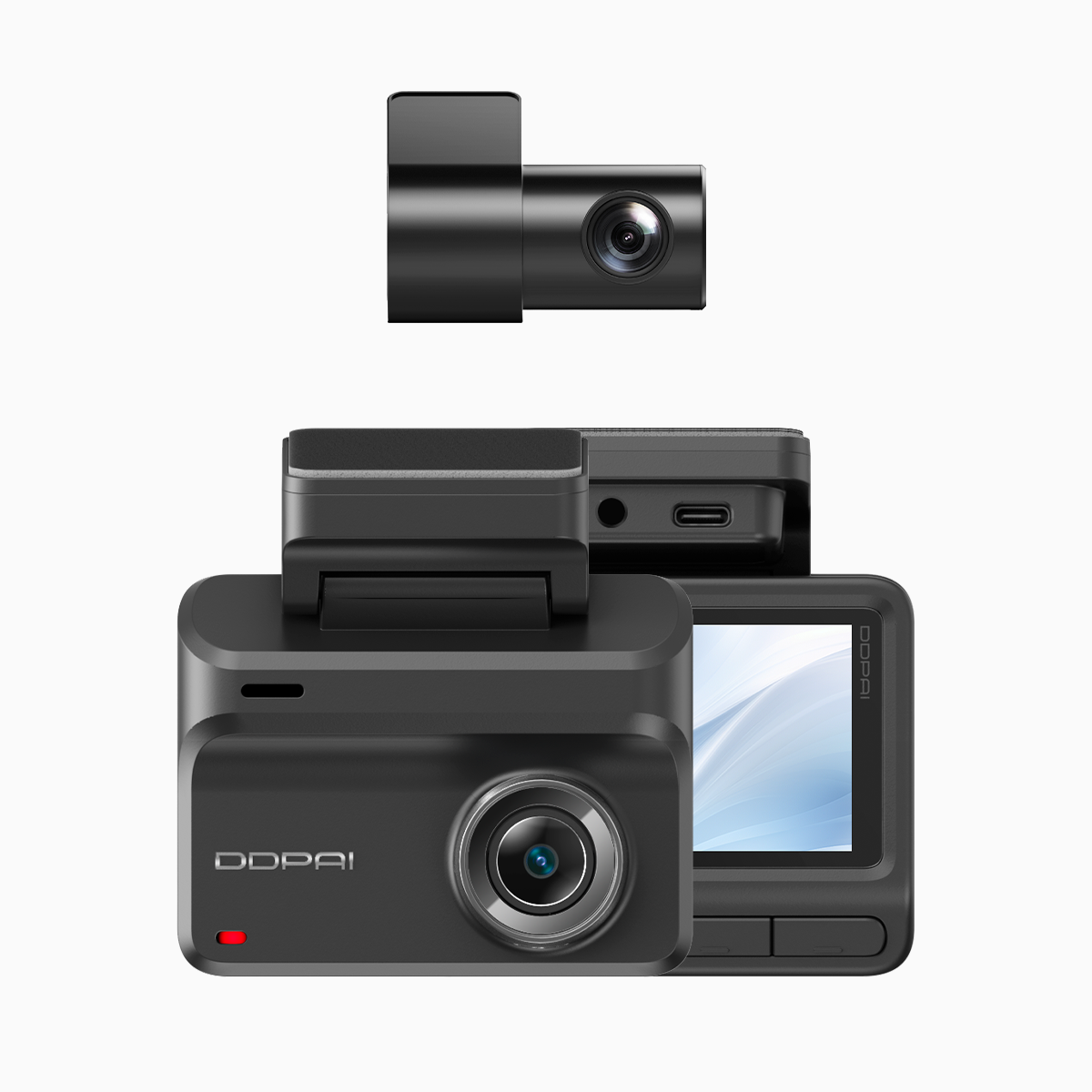
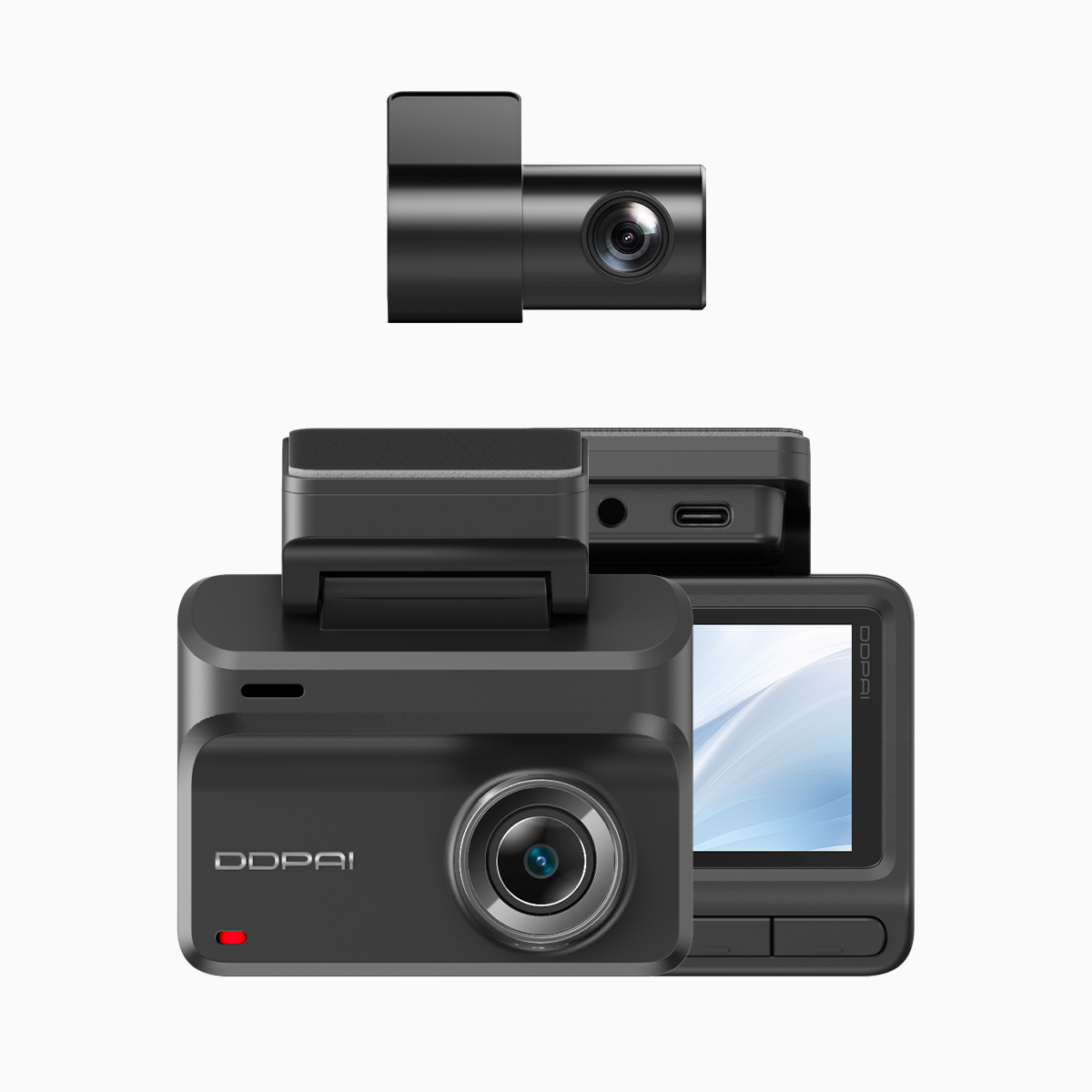
This is a practical blueprint. Designed for car-accessories distributors who must inspect wholesale shipments of night-vision cameras. Start with the product that sets the baseline—like the wifi dash cam many fleets now choose. The goal: consistent checks, fewer returns, better field performance. Keep it lean. Keep it repeatable.
Step 1 — Arrival Inspection: What to verify first
Open crates. Count units. Verify serial numbers against the packing list. Inspect housings for cracks and loose mounts. Test cables and connectors for continuity. Fresh batteries? Not always included. Mark any moisture or corrosion immediately. Use a checklist. No improvisation.
Step 2 — Functional Spot-Tests (Sampling)
Pick a statistically significant sample. Power the units. Confirm boot sequence and firmware version. Check Wi‑Fi pairing and app connectivity. Record a short daytime clip, then a night clip to confirm the low-light sensor and night-vision mode. For a 4k dual channel dash cam, confirm both channels record and sync. Measure frame rate and HDR behavior if possible — these are tolerances you must set in advance.
Step 3 — Night-Vision Specific Checks
Night performance makes or breaks user satisfaction. Place the unit in a dim garage and near a street lamp. Verify IR activation, glare handling, and white-balance stability. Confirm the rear-facing channel reacts similarly to low-light. Log exposure settings and any hot pixels. Many units claim “night vision”; many do not deliver. Be precise.

Step 4 — Firmware, Security, and Compliance
Validate firmware authenticity. Confirm vendor-supplied firmware hashes or signatures when available. Test basic cybersecurity posture: change default passwords, check for open ports on the device’s Wi‑Fi module, and confirm OTA update capability. Note: weak firmware controls create real-world risks in urban areas like Metro Manila where dash cams are frequently stolen or tampered with.
Common Mistakes to Avoid
Distributors often skip reproducible testing. They accept visual inspection only. They forget to test network features under interference conditions. They assume all units on a pallet share the same firmware. These errors cause high return rates and customer complaints. Fix the processes; reduce the firefighting.
Data Capture and Traceability
Capture test results in a central database. Link serial numbers to photos and test clips. Tag failures with clear fault codes. This supports warranty decisions and trend analysis. A simple CSV export is enough. Over-engineering is not necessary—consistency is.
Alternatives and Comparative Notes
Some brands prioritize compact size; others push higher bitrate and sensor size for cleaner night footage. When you compare models, weigh sensor quality against bitrate and storage needs. For fleet installs, reliability and predictable thermal performance beat marginal gains in resolution. Still, for vehicles that patrol poorly lit routes, a true 4k dual channel dash cam with robust night-vision can reduce incident ambiguity significantly.
Operational Recommendations
Standardize sampling rates by batch size. Use simple test rigs to simulate vibration and heat cycles. Train warehouse staff on symptom-based triage: video noise, dropped frames, and Wi‑Fi dropout. Keep spare mounts and harnesses on hand. These small steps save time at installation.
Real-World Anchor
In practice: a Manila fleet operator reduced nighttime incident disputes after we standardized checks and insisted on verified night-vision performance. Fewer ambiguous clips. Faster claims resolution. This kind of outcome is replicable when you apply the framework consistently.
Summary of Key Controls
Count, sample, test night vision, verify firmware, and record everything. Apply the same checklist every shipment. That simple discipline separates reliable distributors from the rest.
Closing Advisory
Three golden rules for distributors: 1) Test both channels under low light and log clips; 2) Verify firmware and network security before deployment; 3) Keep traceability from pallet to vehicle. Follow these and expect lower returns, clearer evidence from incidents, and higher installer confidence. For practical support and region-specific sourcing, consider partners who already prove field performance—like DDPAI Philippines. Voilà — solid results. —