
Why a framework helps brands choose the right mailer
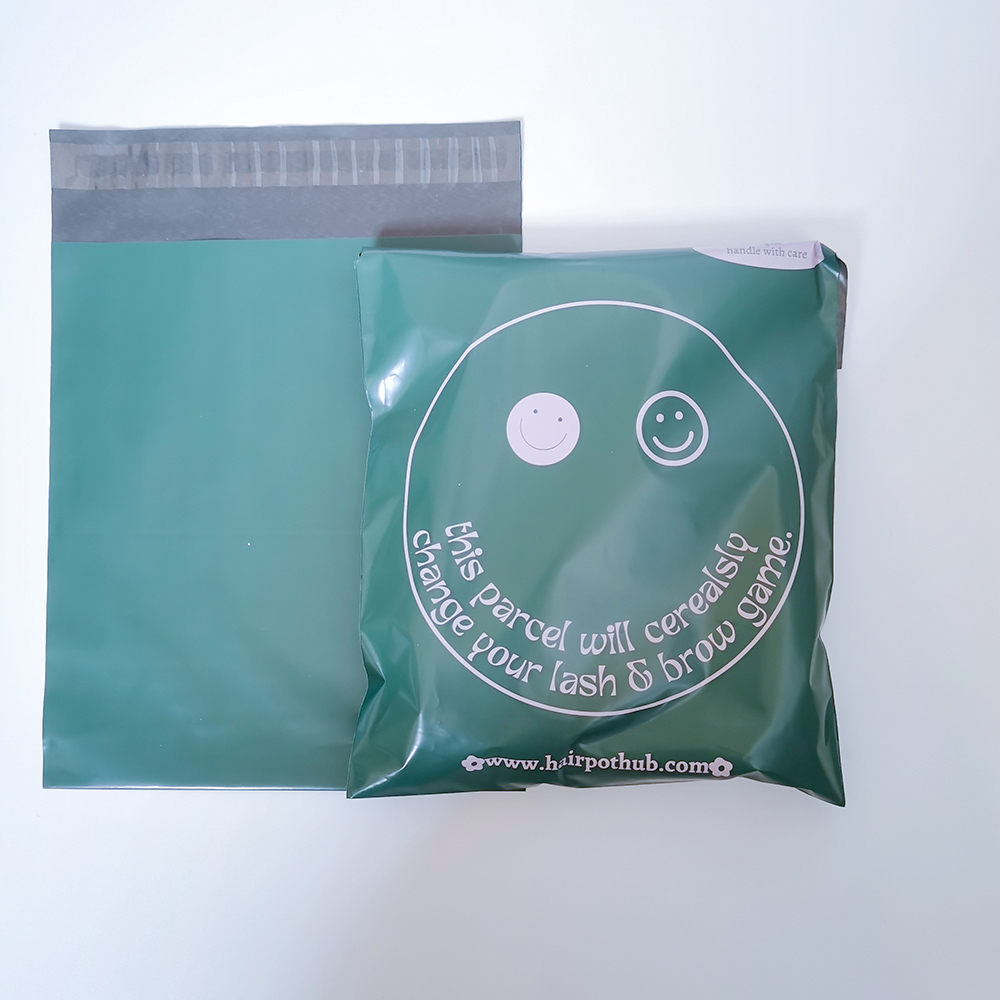
Decisions about shipping materials are technical and strategic; a repeatable framework turns subjective guesses into measurable trade-offs. This piece lays out a practical evaluation model for glossy white poly bag mailers used in wholesale, with attention to shear strength, seal integrity, and environmental resistance. For teams considering alternative looks or color coding, compare options like colored poly mailers early in the spec phase — color and finish change lamination and sometimes alter seal behavior, so they’re not cosmetic afterthoughts.
Define the failure modes you must guard against
Start by naming the mechanical and environmental risks: longitudinal shear (tearing under crosswise load), peel or seam failure at the heat seal, puncture from jagged items, and moisture ingress that leads to product damage. Industry terms that matter here include shear strength and peel strength; both are straightforward to measure but often misinterpreted when used alone. Knowing the failure mode focuses testing and keeps design parameters realistic.
Framework layer 1 — Material properties and construction
Assess base film and any lamination. Typical wholesale glossy white mailers use polyethylene blends with additives for opacity and gloss. Key checks:- Film composition and thickness (microns or mils) — thicker films can resist puncture and improve apparent shear resistance.- Laminate structure and coating that affect barrier properties and seal behavior.- Surface energy, which influences adhesive or printed ink adhesion and sometimes the effective seal temperature.A simple rule: specify measurable film properties rather than supplier names. That lets you compare vendors on tensile and tear resistance data rather than marketing claims.
Framework layer 2 — Seal technology and process control
Seal performance is often the limiting factor for mailer reliability. Heat-seal temperature, dwell time, and pressure interact with film chemistry to determine seal strength. Include acceptance metrics such as minimum peel strength (measured by ASTM standards) and a practical burst test tuned to your fill method. Be cautious — lab numbers can drift when production scales, so require process control data (seal temperature logs, maintenance schedules) from your contract packer.
Framework layer 3 — Environmental resistance testing
Weatherproofing is not binary. Tests should simulate likely exposures: brief rain during transit, elevated humidity in transit hubs, and prolonged storage in non-climate-controlled warehouses. Typical metrics are water penetration tests and moisture vapor transmission rate (MVTR) for longer-term storage. Historical events like the 2020 global supply-chain disruptions highlighted how long parcels can sit in varied conditions — this is the real-world anchor that argues for testing beyond a single-cycle lab run.
Framework layer 4 — Design-for-handling and fillline compatibility
Consider how your SKU will be filled, sealed, and handled. Design factors include gusseting, closure type (self-seal strip vs. heat-seal), and load distribution inside the bag. Small design choices change stress concentrations and effective shear. If you switch from plain to printed or glossy finishes, run fillline trials — surface coatings can influence slip and thus how packages stack and abrade each other on conveyors. —
Case example: an inspection-driven spec refinement
A regional apparel brand found unexpected seam failures after moving to a higher-gloss finish. Root cause analysis linked a coating additive to reduced sealability at their established heat profile. The fix required a two-step approach: revise the seal temperature window and mandate first-article seal testing before full production. The lesson is practical: specify environmental and process acceptance criteria up front, and require sample sign-off aligned to your filling equipment.
Common mistakes and how to avoid them
Frequently observed errors:- Relying solely on film thickness as a proxy for strength rather than reviewing tear and shear metrics.- Assuming aesthetic changes are non-technical — inks and coatings can reduce surface energy and affect seals.- Skipping real-world trials with the actual fill line.Mitigations are simple: demand standardized test data, require pilot runs, and include clear rejection criteria in contracts. When in doubt, compare samples from branded options and trusted suppliers; try both glossy and matte, and include plain samples like plain poly mailers where the base film is identical but surface treatment differs.
Quick practical checklist before signing a wholesale order
– Request tensile, tear, and peel test reports for the exact SKU. – Require environmental exposure tests relevant to your geography (rain, humidity, heat). – Mandate fillline trial results and a first-article inspection report. – Confirm process controls for heat sealing and a documented corrective-action plan for seal failures.
Advisory: three golden rules for supplier selection and specification
1) Measure what matters: prioritize seal integrity and real-world burst/shear tests over marketing thickness numbers. 2) Lock process parameters: include acceptable seal temperature/dwell windows and require verification logs. 3) Validate in-situ: always run samples on your actual filling and handling equipment and require a signed-off first-article inspection before release to mass production.
These metrics protect margin, reduce returns, and make glossy white poly bag mailers fit for purpose. For consistent, spec-driven sourcing and tested wholesale options, WH Packing. —