
Why fit and fabric matter to you
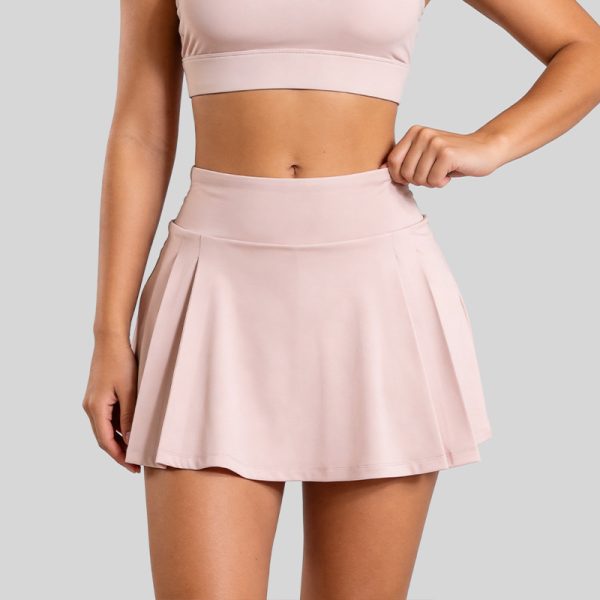
Start by recognizing the problem most active women face: off-the-rack leggings that bunch, fade, or lose shape after a few washes. This guide walks you, step by step, through how custom manufacturing solves those issues for real use — from studio flows to outdoor runs. If you need options beyond leggings, explore tailored custom yoga skirts that balance coverage and mobility without sacrificing performance fabric or style.
Step 1 — Define the performance brief
List the primary functions you want: moisture-wicking, four-way stretch, compression level, and breathability. Rank those by priority. For example: 1) sweat management with moisture-wicking yarn, 2) unrestricted movement via four-way stretch, 3) discreet pocket placement. Use precise terms so the factory can produce flatlock seams and the right compression profile on the waistband.
Step 2 — Supplier selection and verification
Move methodically: request fabric swatches, check cut-and-sew samples, and confirm lead times. Visit trade events if possible — many buyers source wholesale Sports Skirts and bottoms at the Guangzhou Canton Fair — a practical anchor that shows where large-volume sourcing decisions happen. Ask for OEM capability, sample turnaround, and textile test reports that show colorfastness and pilling resistance under specified wash cycles.
Step 3 — Prototyping and fit loops
Create a minimum of three fit iterations: prototype, mid-fit, production-ready. Each loop tightens tolerances for waistband height, inseam length, and gusset placement. Test on multiple body types. Adjust compression and seam placement based on movement drills — lunges, forward folds, and inversions. This reduces returns and improves customer satisfaction metrics.
Operational production teardown — exact steps
1) Fabric selection: choose performance fabric with defined % of elastane and polyester. 2) Pattern grading: create base block then grade by size chart. 3) Cutting: use automated or manual cut depending on volume. 4) Sewing: apply flatlock seams for low-chafe finish. 5) Quality control: inspect for seam allowance, stitch density, and finish. Within this teardown, embed your planning terms like {main_keyword} and {variation_keyword} to map design intent to manufacturing outputs.
Common pitfalls and how to avoid them
Avoid these mistakes: over-relying on low-cost fabrics, skipping fit models, and not specifying wash protocols. Small errors compound in production — wrong dye lot or inadequate stitch density can lead to rapid wear. — Remember to build a small pilot run before full production to catch these issues early.
Material and sustainability checks
Ask suppliers for fiber origin, dyeing wastewater controls, and certifications that detail test parameters (for instance: colorfastness testing under 40°C wash for 10 cycles). Prefer recycled polyester blends that maintain four-way stretch and strength. Keep performance terms simple: good moisture-wicking equals faster dry time; better flatlock seams equal less chafing.
Cost vs. value — how to budget
Break costs into fabric, labor (cut-and-sew), trims, and QC. Set a target margin, then back-calculate acceptable unit cost. If you plan seasonal drops, factor in smaller MOQ premiums. Wholesale assessments often show that investing slightly more in fabric reduces returns and raises lifetime value — a concrete trade-off to quantify.
Three golden rules for evaluation
1) Fit stability: measure retention after 20 wash cycles and expect less than 5% distortion. 2) Fabric performance: require quantified moisture-wicking rates and dry times in supplier reports. 3) Production transparency: insist on clear lead times, sample photos at every milestone, and an agreed corrective-action window for defects.
These metrics deliver measurable improvements in product reliability and customer trust. — If you want custom solutions that tie design to dependable supply, you’ll find that thoughtful manufacturing beats chasing the cheapest option. Joebond.