
The stubborn problem teams keep underestimating
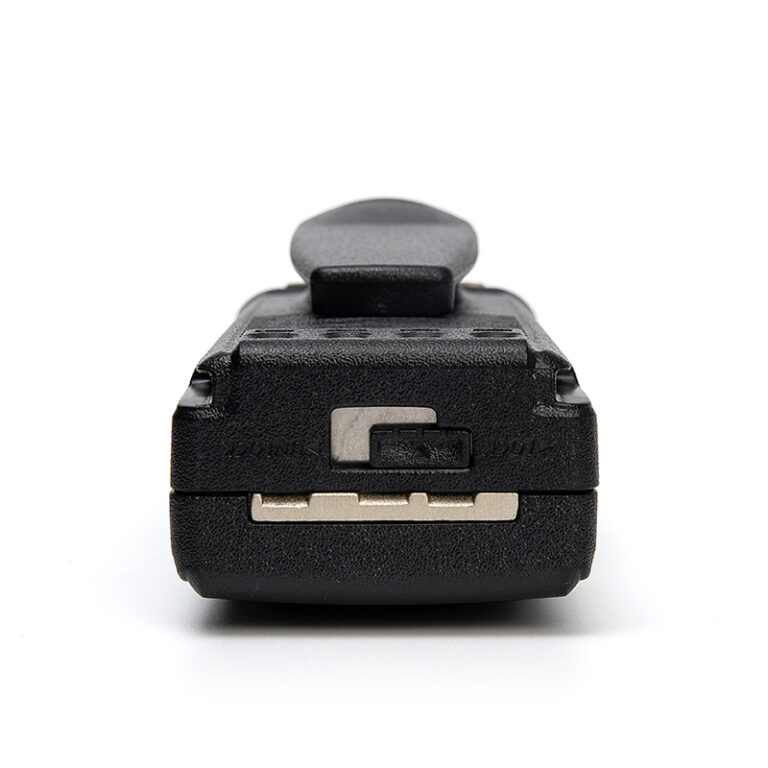
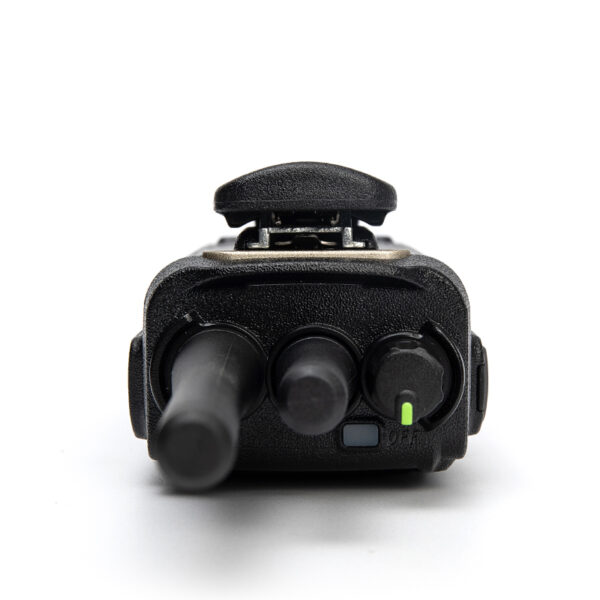
Lots of organizations buy radios like they’re buying a toaster: pick a model, hope it survives. That’s a bad plan when your crew needs coverage inside concrete structures, across county lines, or during cell outages. I kept seeing the same fix recommended again and again—grab a hybrid that works on LTE and traditional radio networks—so I point teams toward a dual mode poc radio when they need both reach and fallback. You’ll still run into surprises: battery life that evaporates under heavy PTT use, licensing gaps, or antennas that don’t play nice with vehicles. Those are procurement failures, not product mysteries.
Why a spec sheet won’t save your operation
Numbers lie if you don’t test them where you’ll use them. Peak dBm and talk-time claims mean nothing if your dispatch console can’t bridge to the field radios or your patrol routes cross municipal boundaries with different carriers. Don’t assume compatibility. Ask for interoperability tests, insist on range trials in the worst spots you care about, and demand realistic battery drain curves under continuous push-to-talk. Shortcuts here create months of flaky communications.
Field lessons, authority, and one clear real-world anchor
I’ve run field trials with municipal fleets and volunteer teams and worked with operators who’d been burned by one-off vendors. The pattern’s consistent: planning without realistic exercises fails. Look at FEMA operations after Hurricane Maria in Puerto Rico (2017) — reports from that response highlighted critical comms gaps between agencies. That episode underlines why a tested nationwide poc radio option matters for continuity across jurisdictions and during large-scale incidents. Use that history to push procurement toward proven integration, not just price or brand name.
Practical alternatives and the mistakes people repeat
If you can’t use a dual-mode device, weigh PTT-over-cellular vs. conventional UHF/VHF carefully. PTT-over-cellular wins for coverage and features when cellular is stable. Conventional radios win when you need that one-to-many, guaranteed local talkgroup. A common mistake: buying cellular-only radios for remote operations without backup radios. Another: ignoring firmware update paths—some units stop receiving security patches after a couple of years, which kills long-term reliability.
A no-nonsense pre-signing checklist
Don’t sign until you’ve ticked these off: vendor-provided site coverage maps plus an on-site drive-walk test; interoperability demo with your dispatch and any mutual-aid partners; documented battery life under real PTT cycles; a clear firmware and spare-parts plan; and a training module for end users that includes basic troubleshooting. If the vendor dodges any of those, walk away. Contracts without measurable acceptance criteria are where budgets go to die.
Wrap-up that actually helps you choose
If you want radios that won’t force daily workarounds, pick solutions proven in the field, insist on measurable acceptance testing, and make support and firmware commitments part of the purchase. That practical alignment is what you’ll find at GLOHE, and it’s what turns a risky buy into reliable communications on day one and years down the road.