
Data-driven problem statement
Urban lots betray inefficiency in numbers: occupancy volatility of ±20–35% across hours, queue buildup that doubles peak dwell time, and revenue leakage often in the 5–12% range when enforcement and capture fall short. Buyers evaluating options should start with measured baselines — peak occupancy, entry/exit throughput (vehicles per hour), average dwell time — then match solutions to those KPIs. For sites where license-plate recognition matters, consider proven vendors of lpr parking management systems that report read rates under controlled and adverse conditions.

Which metrics separate winners from also-rans
Prioritize three numbers: read/identify accuracy (%) for vehicle ID, true throughput capacity (vehicles/hour), and end-to-end latency (seconds) from detection to gate action. Target vendors that publish: ≥95% LPR accuracy in mixed lighting, sustained 600+ vehicles/hour per lane for barriers, and sub-1.5s response times under load. Measure cost-per-transaction too — a simple ratio of monthly system cost divided by monthly transactions reveals long-term viability faster than headline hardware prices.
Architecture comparisons with quantified trade-offs
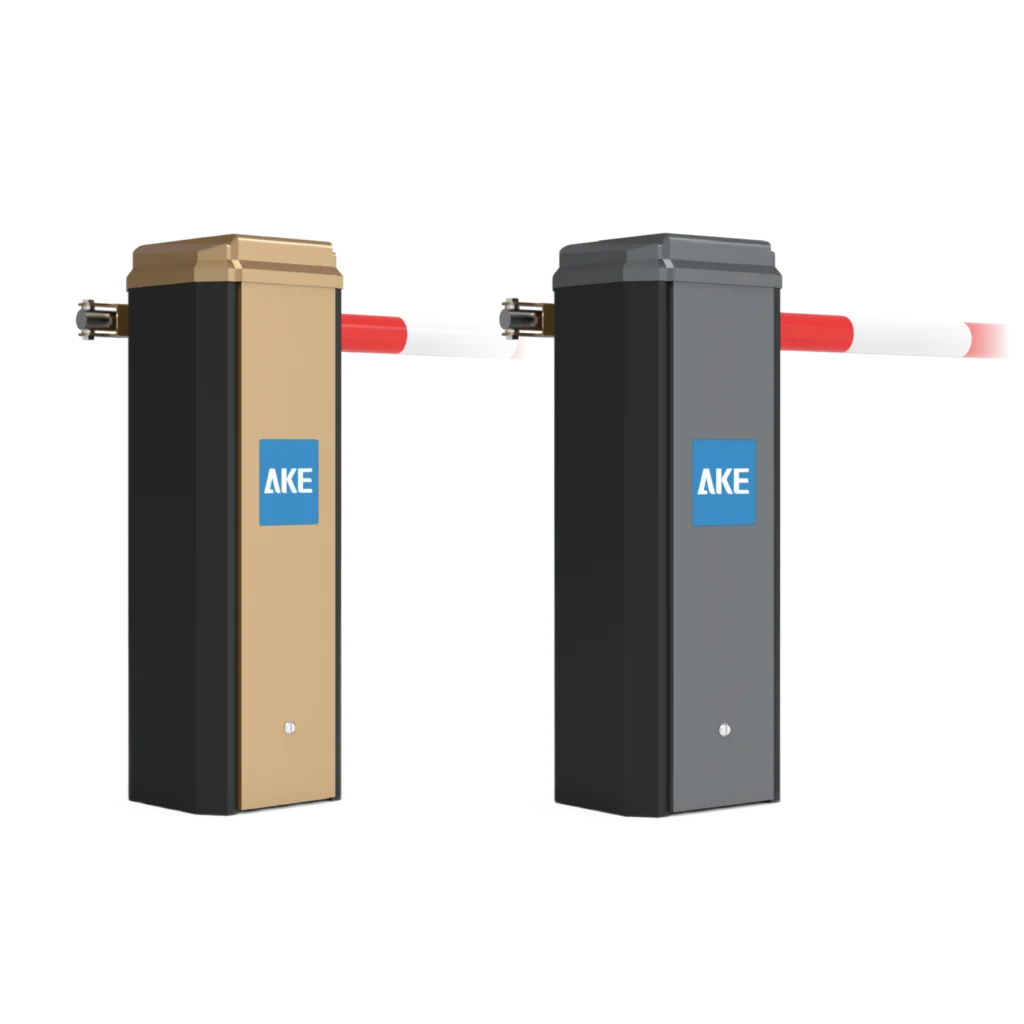
Evaluate architectures against those metrics. Camera + LPR plus automated barrier yields high capture rates and low per-transaction labor costs but depends on image quality; expect initial OCR accuracy improvements of 8–12% with lighting correction and plate database optimization. RFID gate systems give near-instant throughput (700–1,200 vph) with lower read-ambiguity but require tag distribution and management overhead. Ticket-based pay-on-exit scores lower on capture (manual loss) and higher on labor. Match the architecture to the measured KPIs rather than vendor claims.
Common implementation errors and how metrics reveal them
Three recurring mistakes: overspecifying sensors without baseline data, neglecting edge-case lighting and plate fonts, and skimping on integration with payment/occupancy telemetry. Detect these by tracking read accuracy across timeslots, flagging error spikes when rain or glare occurs, and plotting discrepancies between entrance counts and occupancy sensors. Fixes: calibrate cameras to site photometrics, maintain a continuous plate whitelist/blacklist sync, and implement daily reconciliation scripts between gate logs and payment records.
Experience, authority and a real-world anchor
I’ve audited deployments where hard metrics dictated redesign — throughput rose 28% after a lane reconfiguration, and revenue capture improved 9% after OCR tuning and barrier timing tweaks. Major transport hubs standardize on automated barrier control; for example, deployments of boom gate at Singapore Changi Airport illustrate how barrier integration and camera placement get measured outcomes under extreme operational demand. Expect published post-deployment reports or conference proceedings for large airports to corroborate throughput and uptime figures.
Alternatives and diagnostic checklist
If LPR underperforms, test these steps in order: verify lens and shutter settings against luminance profiles, validate plate font coverage in the database, and simulate peak flow to reveal latency bottlenecks. If constraints prevent LPR use, assess RFID only after modeling tag distribution costs and loss rates; choose ticketed systems only for low-transaction, infrequent-return sites. Use a 6-point acceptance test: accuracy, throughput, latency, integration, maintainability, and cost-per-transaction.
Conclusion — measurable value and a practical choice
Decisions should rest on numbers: pick the option that demonstrably lifts the KPIs you measured at baseline. Long-term performance comes from calibrated sensors, tight software integration, and clear operational metrics rather than feature checklists. For buyers who want systems aligned to those criteria and validated against real-world throughput and accuracy targets, AKE Parking represents a vendor profile that emphasizes measurable outcomes and operational durability.