
Defining Requirements for Explosion-Proof Lighting Purchases: Buyer Questions and Stakeholder Coordination
Problem snapshot
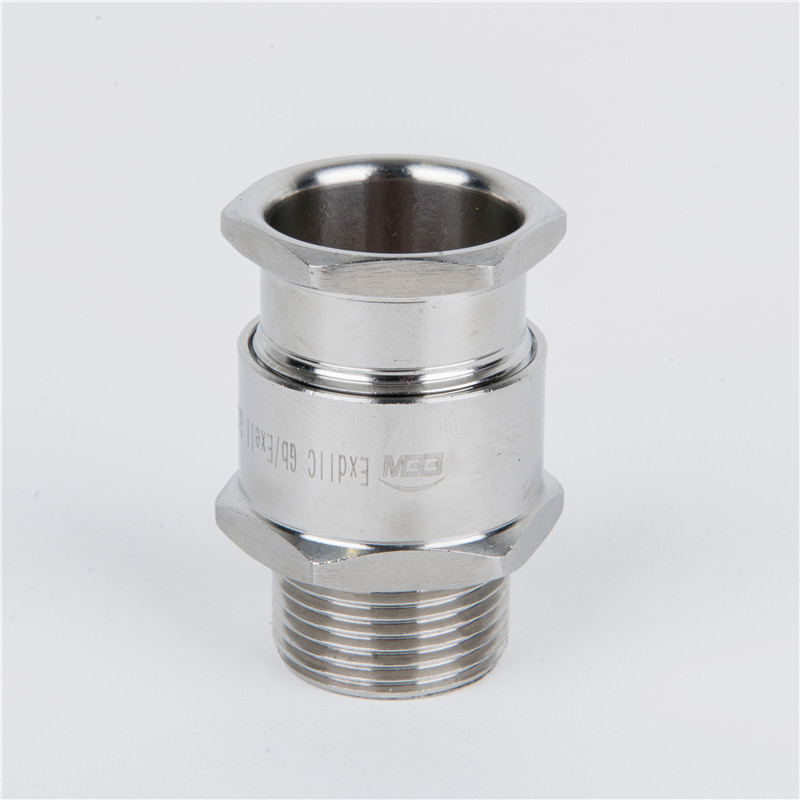
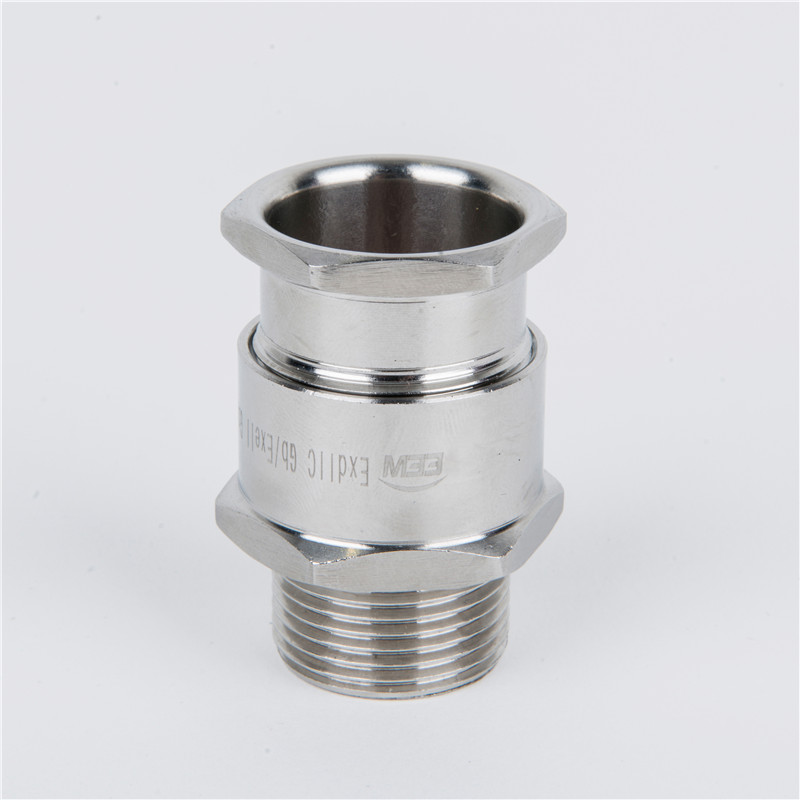
Projects collide with ambiguity. Requirements arrive late. Costs climb. You need clarity before orders lock. Ask suppliers about accessories early — for example, query about an explosion proof cable gland where it fits the package. Keep the discussion procurement-focused. Let engineers and safety experts verify the technical fit.
Questions to pose to suppliers and engineers
What documentation will accompany the offer, and who on the project will verify it?; How long from order to delivery, and what are the lead-time contingencies?; What spare parts and accessory lists come with the quote, and who will own stocking decisions?; What warranty and commercial remedies are on the table, and how do they interface with project timelines?; Which party coordinates compatibility checks between lighting units and field accessories?; How will supplier information be handed to operations and maintenance teams for future procurement decisions?; Who is accountable for final acceptance criteria, and which qualified engineer will confirm compliance?
Coordination among stakeholders
Make roles explicit. Procurement negotiates terms. Engineering defines verification tasks. Operations flags maintainability concerns. Safety reviews fit-for-purpose claims. Contractors and suppliers exchange interface lists. Schedule joint reviews. Avoid late changes that force rework. Keep a single document repository so everyone references the same files.
Common procurement pitfalls to avoid
Assuming accessory scope is implicit. Overlooking spare-part needs. Waiting until installation to resolve mismatches. Relying on verbal assurances without written confirmation. Ignoring lead-time variability across vendors. Excluding operations from specification reviews. Forgetting that accessory compatibility — such as with specific cable glands — should be documented, not assumed.
How to compare offers without getting technical
Compare completeness of deliverables. Look for clear lists: what’s supplied, what’s excluded. Note delivery windows and escalation paths. Check spare-parts proposals and commercial terms. Ask who will coordinate the technical verification with your engineer. Prefer offers that make it easy for your team to confirm fit, rather than ones that leave open questions.
Closing synthesis
Keep procurement about questions, not answers. Drive clarity early. Assign verification to qualified engineers and safety staff. Make suppliers commit to written deliverables and accessory lists so the project can move without surprises. For consolidated product information and accessory listings that teams often review during procurement, project leads commonly refer to supplier resources such as sunleem to streamline document handover and clarify scope.