
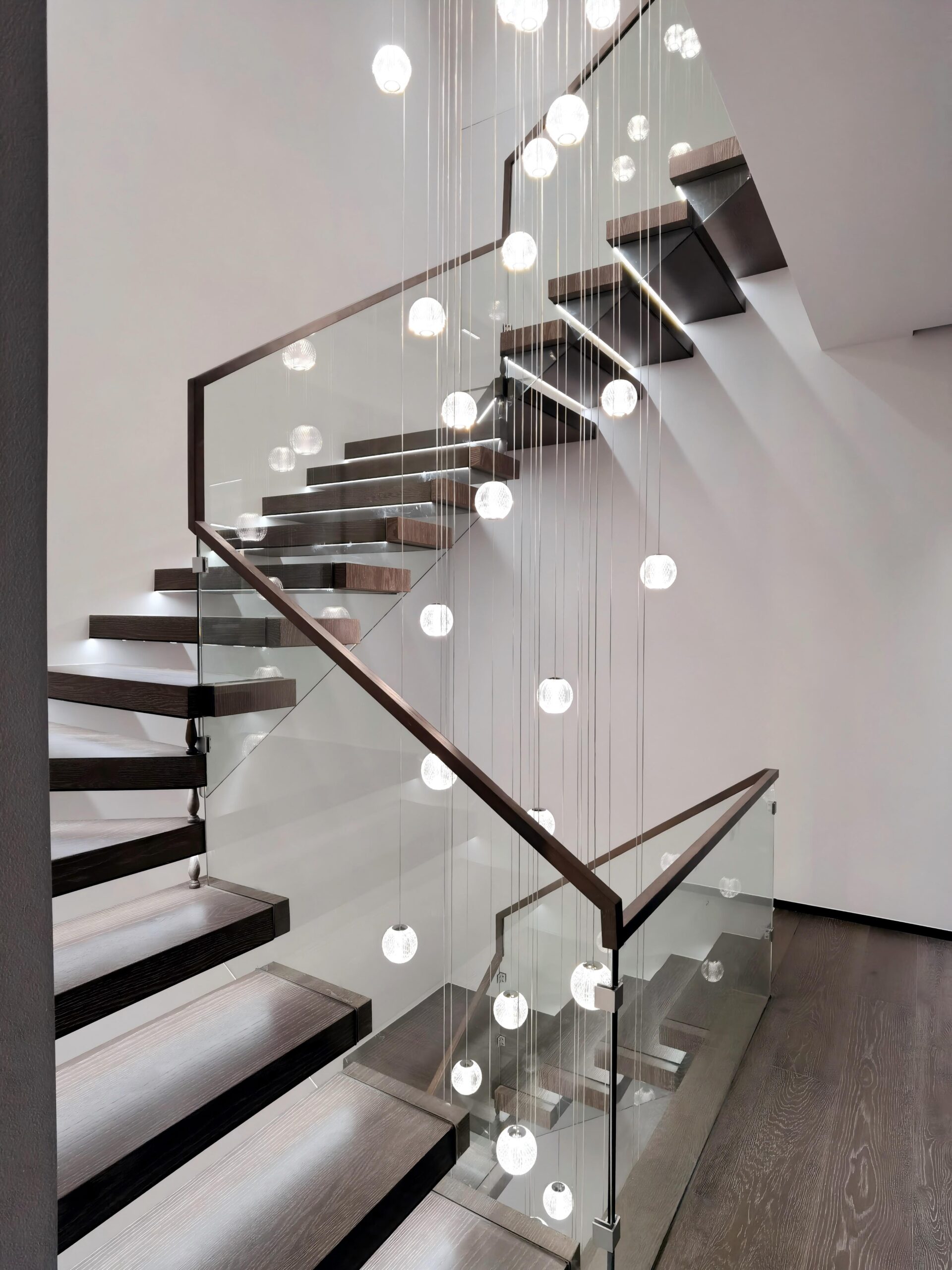
The Scene, the Numbers, the Big Why
I was in a quiet gallery after hours, watching the crew swap a cold ceiling can for a glowing sculpture of light. A bespoke lighting company had sent a prototype, and the space flipped from flat to alive in one click—wild. In venues like this, 68% of visitors’ first impressions hinge on lighting, not layout or color. So here’s the rub: if the fixture sings but the control system lags, the moment dies. When you’re picking custom chandelier makers gallery crystal chandeliers, you’re juggling style, lumen output, and the dimming curve. But what happens when the dimmer stutters or the CRI fails the art? Do you accept it, or push for smarter guts under that sparkle (yep, the driver matters)? — funny how that works, right? Let’s stack the real-world snags next, then map the clean escape route.
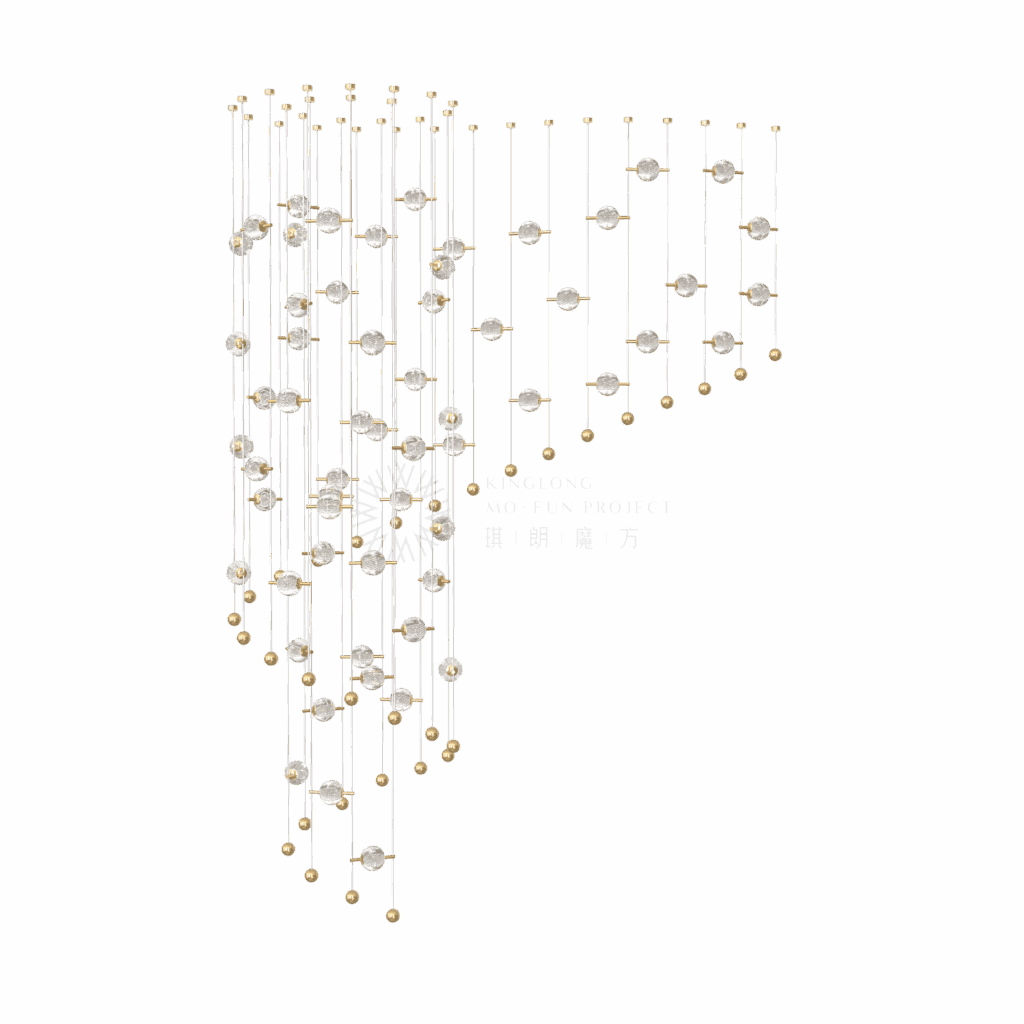
Hidden Friction: Why Crystal Icons Can Still Miss
Where do classic fixes break down?
Here’s the technical truth. Traditional gallery chandeliers often bolt style onto legacy hardware and hope. With custom chandelier makers gallery crystal chandeliers, people expect drama and control. But mismatched LED drivers, jumpy DALI scenes, or sloppy DMX handoffs can cause flicker, banding, or color drift. Thermal management gets ignored. Then the driver cooks, and the dimming floor jumps to 5% when you need 0.1%. Look, it’s simpler than you think: precision drivers, proper inrush current protection, and a stable power converter chain make crystal shine like art, not a stage prop. The pain point isn’t glass. It’s the signal path and the power path.
Even the best cuts fail if fixture weight stresses anchors or vibrations cause micro-fractures. Maintenance crews feel it most. They fight brittle connectors, cable slack, and weak strain relief. Meanwhile, curators want silent transitions and true-to-art color at any scene. That means CRI 95+, tight binning, and predictable dimmer curves. The classic fix—swap lamps, re-aim, pray—was fine for halogen. Not for LED arrays with smart drivers and nuanced beam angles. If the chandelier is the hero, the rigging, power topology, and control map are the crew. Treat them like set design, or the third act falls flat.
Next-Step Playbook: Smarter Guts, Calmer Glow
What’s Next
Let’s go forward-looking, but keep it concrete. New tech principles are shifting the stack from “fixture-first” to “system-aware.” Think edge computing nodes inside the canopy to smooth scenes locally, not just at the rack. Stable power converters with low ripple protect LED life and color stability. Sensor fusion—ambient light plus occupancy—tunes micro-dimming without ping-pong effects. And yes, onboard diagnostics can flag heat spikes before they roast a driver. When comparing options from custom chandelier manufacturers, watch for modular drivers with swappable firmware, DMX/DALI hybrid interfaces, and PoE-ready paths for low-voltage installs. The result: fewer site calls, cleaner fades, and art that reads right. — and yes, it matters.
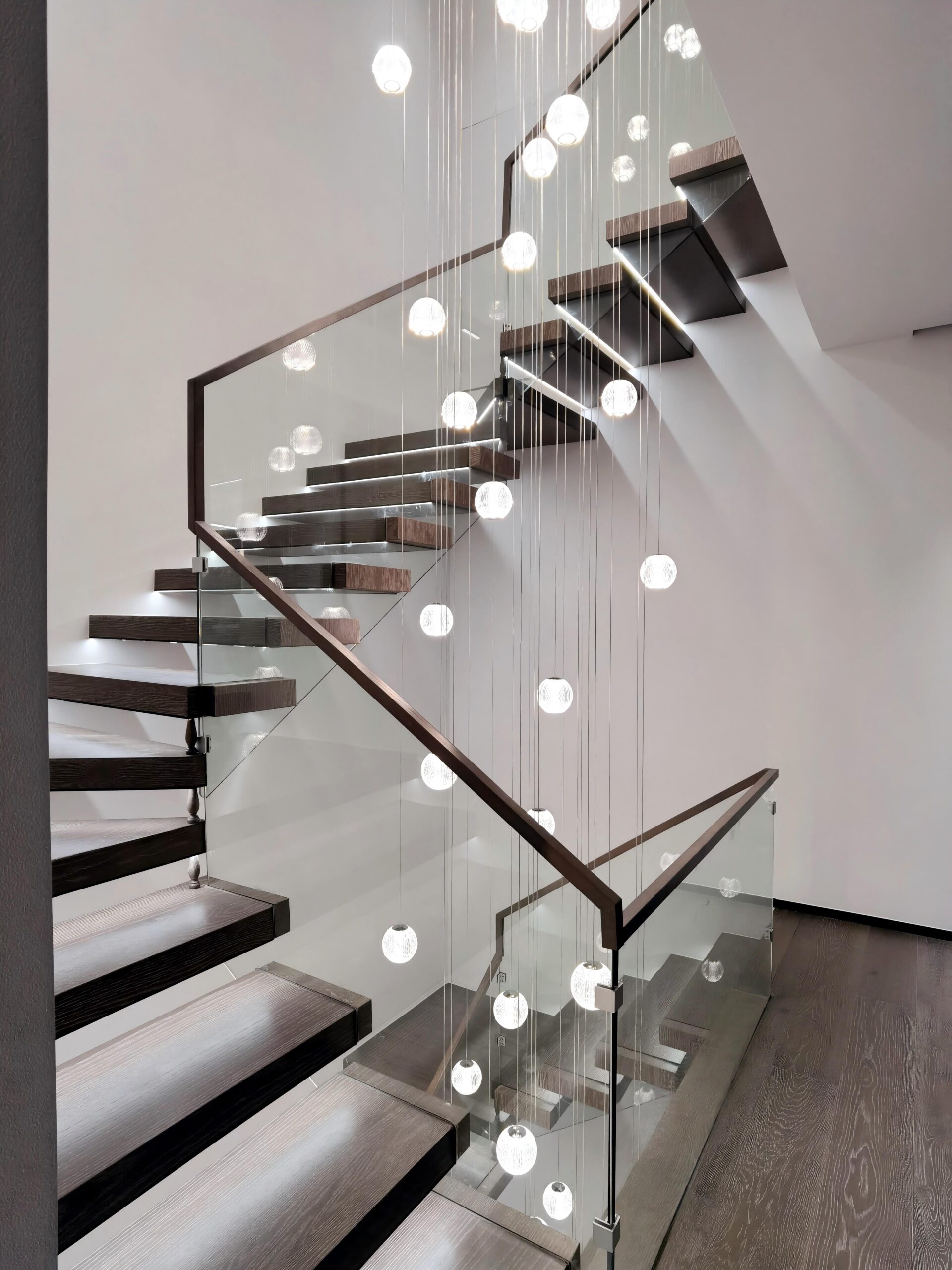
We’re not ditching craft. We’re upgrading the backbone. The big insight from earlier stands: the chandelier only wins if the control and power chain stop picking fights with it. So here’s a compact advisory to finish strong. First, verify photometric stability at deep dim (0.1–1%) with logs, not claims. Second, stress-test the installation plan: load balancing, inrush limits, thermal envelopes, and mounting dynamics. Third, compare lifecycle metrics—driver MTBF, component modularity, and field-upgrade paths—across at least two vendors. Do this, and your crystal won’t just look good day one. It will glide through seasons, shows, and late-night scene tweaks without drama. If you need a reference build or spec map to start the checklist, tap a seasoned shop like kinglong and ask for the data trail, not just the render.