
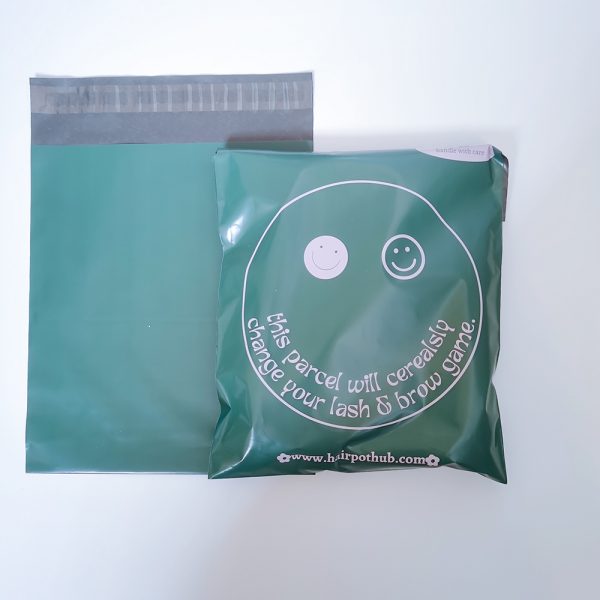
The problem most brands don’t spot until it’s too late
Too many small businesses and online sellers are losing cash and customers because paper courier mailers split, soak through, or swell up in transit — and that’s before returns hit. If you’ve been wrestling with soggy parcels, ripped seams and awkward-sized pouches, it’s worth having a squiz at colored poly mailers. They’re a different breed: waterproof poly construction, consistent seal strength, and options like tear strips and gussets that actually suit real packing lines. Postage savings and lower replacement rates aren’t just nice-to-haves — they’re proper line-item wins on the P&L.
What goes wrong with paper mailers (and why that matters)
Paper mailers can look eco-friendly but fail in three common ways: moisture vulnerability, abrasion on conveyor belts, and variable sizing that forces overpacking. That means damaged goods, frustrated customers, and higher return rates. After the 2020 COVID-19 supply-chain shocks, many NZ merchants realised the cost of a dodgy parcel — delays multiplied complaints and logistics churn. The problem-driven question is simple: do you want parcels that survive the full chain of custody, or pretty envelopes that don’t?
How poly mailers solve the practical headaches
Poly mailers bring a few concrete advantages straight away: waterproof poly barrier, tamper-evident seals, predictable thickness for postage, and reliable tear strips for customer convenience. In practice that translates to fewer claims, less rework on the packing bench, and cleaner stock control because dimensions are consistent. Toss in options like printed barcoded labels and different colours for order sorting, and you’ve got a much smoother fulfilment workflow.
Real-world trade-offs — they’re not all roses
Look, poly mailers aren’t magical. There are trade-offs: some buyers worry about recyclability, and certain premium items still need box protection or void fill. You also want to mind material specs — LDPE and co-extruded films behave differently on heat-sealers, and not every supplier matches your sealing equipment. The trick is choosing the right film thickness, seal type and gusset configuration for your product mix — that’s where supplier expertise matters.
Comparing performance: paper vs poly across key metrics
Here’s the practical rundown, no fluff:
- Durability: poly wins for moisture and abrasion resistance. Paper fails in wet conditions.
- Weight & postage: poly tends to be lighter and more consistent, which gives postage savings on scale.
- Seal integrity: poly offers stronger, more consistent seals (heat-seal or pressure-sensitive) versus sometimes-variable paper adhesives.
- Brand presentation: both can be printed, but poly allows brighter, more durable prints that don’t smudge in transit.
Common mistakes businesses make when switching
Brands often grab the cheapest poly and expect perfection — bad move. Typical mistakes are mismatching film to sealers, ignoring barcoded label adhesion on low-energy films, and underestimating the need for tamper-evident features on higher-value goods. Test with your actual packing line; don’t just eyeball a sample. —
Alternatives and where they fit
For fragile or high-value items, corrugated boxes plus void fill remain the go-to. Compostable paper satchels have a time and place for ultra-light, non-fragile goods where customers prize compostability. Hybrid solutions exist too: padded poly mailers offer both the lightness of plastic and soft cushioning. If you’re after visual differentiation, color poly mailers can speed up sorting and reinforce brand identity without adding much cost.
Choosing a supplier — what actually matters
When you pick a supplier, focus on three pragmatic things: quality control data (tear and seal test results), lead-time reliability, and material options that match your equipment. Ask for first-article trials and documented QA specs. Suppliers who provide batch traceability and clear technical datasheets make life simple for your ops team — and save time on returns and disputes.
Three golden rules for vendors and products (your evaluation checklist)
1) Test in your environment: insist on trials using your sealing machines and shipping labels. 2) Measure total cost: include returns, postage variance, and rework — not just unit price. 3) Demand technical specs: film type (LDPE vs co-ex), thickness, tear strip details and seal strength figures up-front.
Final thoughts and practical expectation
Make the switch only after testing, but don’t dawdle — with consistent sealing, waterproof protection and smarter colour-coded fulfilment, poly mailers usually outperform paper on the things that hurt your bottom line: damaged goods, returns and postage unpredictability. For many Kiwi sellers, that’s where the value lands: reliable deliveries, happier customers, and fewer headaches on packing day. WH Packing offers the range and technical detail to make that smooth transition.
Nice one.