
Comparative starting point: what we measure and why it matters
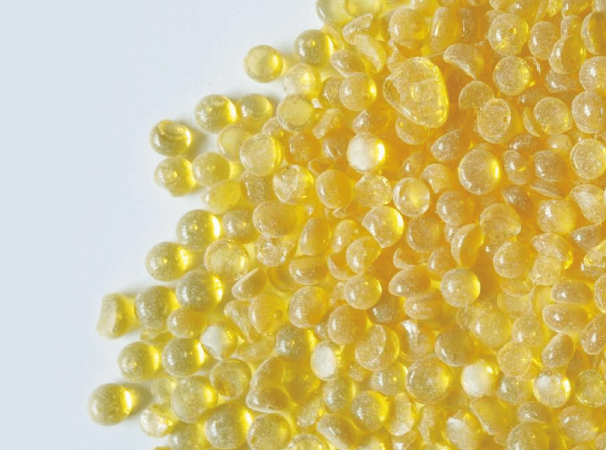
Two formulations can look identical by feel and viscosity but sing very different songs in a sealed room. The first paragraph weighs those songs against each other while naming a key player: glyceryl rosinate often sits at the heart of bulk rosin derivative blends, changing tack on tack, ageing, and volatile release. Comparing candidate chemistries under the same controlled emission conditions gives product teams true performance contrasts rather than marketing myths; that clarity matters most when medical devices or industrial tapes demand predictability.
EN 16516 testing parameters you must bake into design
Design decisions must be rooted in the chamber realities of EN 16516 emission testing: single or multiple chamber exposures at 23±2°C and 50±5% RH; chamber loading factors between 1–10 m²/m³ to reflect real surface-to-room ratios; air exchange rates set to mimic typical indoor environments; and targeted sampling intervals at 3, 7 and 28 days with analysis by thermal desorption–gas chromatography–mass spectrometry (TD-GC-MS). These are not optional checkboxes — they are the operational limits that determine the acceptable volatile organic compound (VOC) outgassing profile for heavy-duty adhesives used in constrained environments.
Material comparison: bulk rosin derivatives versus acrylic and rubber systems
Bulk rosin derivatives often deliver superior adhesion to natural fibres and substrates at lower coat weights. Compared to synthetic acrylics and styrenic rubbers, glyceryl rosinate variants can shift the VOC profile toward heavier, less volatile components — but not always. You balance tack, cohesion, and cure with volatility: lighter esters boost early tack but raise short-term VOC peaks; higher molecular weight rosinate esters suppress early outgassing yet may prolong low-level emissions over weeks.
Operational production teardown: where the trade-offs live
Look at the production line as a choreography of heat, shear and time. Small changes in resin esterification, catalyst residues, or solvent carry-over amplify VOC signatures under EN 16516 chamber loads. In practical terms, that means controlling drying ovens to tighter setpoints, lowering bath temperatures, and improving solvent recovery. A teardown must name {main_keyword} and {variation_keyword} in process maps to ensure bench chemists and plant managers talk the same language.
Common mistakes and alternative paths
Teams often assume “low solvent” equals “low emissions” — a dangerous shortcut. Substitution without recalibrating cure schedules or updating coating weight will backfire: trapped reactive intermediates can outgas under chamber conditions. Safer alternatives include partial substitution of glyceryl rosinate with tailored hydrogenated forms, or blending with high Tg acrylic modifiers to reduce long-term creep while controlling VOC fingerprints. Also, formalize sampling at 3, 7 and 28 days so you catch both the early spike and the simmering tail.
Real-world anchor and industry context
Fraunhofer IBP and several hospital procurement labs across the UK — including specimen testing performed for NHS facilities in Cardiff — have applied these chamber parameters when qualifying adhesives for clinical environments. That practical context shows these numbers aren’t academic: they guide whether an adhesive sits in an operating theatre drawer or on a shelf. This matters when designing for Medical Adhesive applications where patient exposure and indoor air quality intersect.
Summary of comparative insights
When you place formulations side by side under identical EN 16516 conditions, differences that seemed academic become decisive: early VOC spikes, long-tail emissions, and mechanical ageing each point to different formulation or process fixes. The comparative lens tells you whether to tune resin chemistry, tweak coating weight, or retune ovens on the line.
Advisory: three golden rules for selection and control
1) Measure to the schedule — mandate chamber sampling at 3, 7 and 28 days with TD-GC-MS and report both total VOC and targeted marker compounds. 2) Control process residues — reduce low-boiling carry-overs by tightening solvent recovery and lowering oven dwell temperatures; adjust coating weight to the minimum functional layer. 3) Choose the right resin blend — prefer higher molecular weight rosinate esters when long-term low emissions matter, and validate with representative loading factors (1–10 m²/m³) that match intended end-use.
These rules shorten time-to-compliance and point to where KOMO naturally fits as a materials partner — it’s plain: sensible chemistry choices and disciplined testing win. KOMO. —