
A Night Out, A Sudden Pause: Why Choices Matter
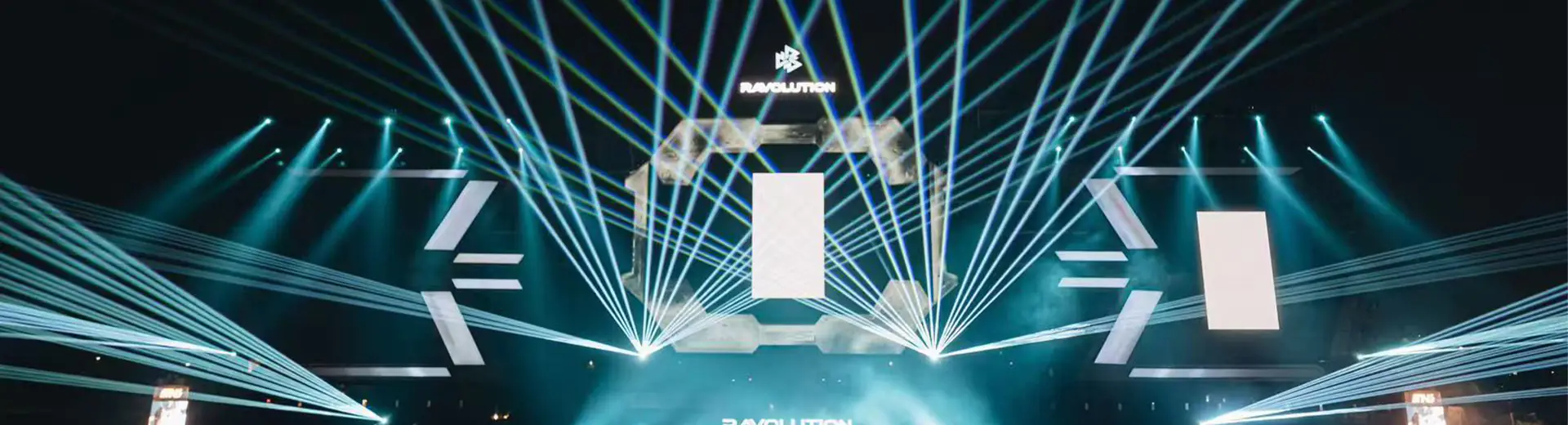
We were ten minutes into a headline set when the room froze—eyes up, breath held. The laser lights had just painted a lattice across the dome and then, abruptly, the lattice hiccupped. With modern laser light show equipment, you expect clean motion, sharp beams, and perfect timing. In UK venues, tech managers say lighting drives most of what crowds remember; some peg it at well over half the show’s impact. Yet one small control lag or a warm galvo can tilt the mood (aye, a wee delay can feel endless). The data is blunt: milliseconds add up, resets break flow, and safety interlocks trip when routing gets messy. So here’s the question—how do we choose systems that don’t blink at the wrong moment, and how do we compare them with a cool head? — funny how that works, right?
Let’s map the problems, then weigh what actually moves the needle.
The Hidden Friction in Laser Show Rigs
Where do traditional rigs fall short?
Technical first. Legacy chains lean hard on DMX512 for cues, mixed with proprietary links. That stack can bottleneck when scenes spike. You feel it as beat drift. Galvo scanners heat up under long throws, so beam geometry creeps; that’s beam divergence meeting physics. Power converters inside cramped housings add noise to the control path, and small ripple shows up as jitter. Safety interlocks save lives, but poorly routed interlock loops can force hard resets mid-song. Look, it’s simpler than you think: each weak link steals headroom. When routing, firmware, and optics are not tuned as one, the show loses sync and the operator loses confidence.
Hidden pain points stack under pressure. Touring rigs mix brands and firmware versions, so patching becomes a late-night puzzle. Emergency stops tied to a single circuit? One trip and the whole grid goes dark. Lens swaps that demand re-tuning? That’s time you don’t have. And when you push aerial effects for a long bridge, thermal drift nudges scans off target; your safety zone maps don’t match the room any more. Add in a tight load-in, and even the best crew can’t chase every edge case. The result is art that plays it safe, because the system won’t let you risk more—exactly the opposite of what a live set needs.
Next-Gen Control: Principles and Payoffs
What’s Next
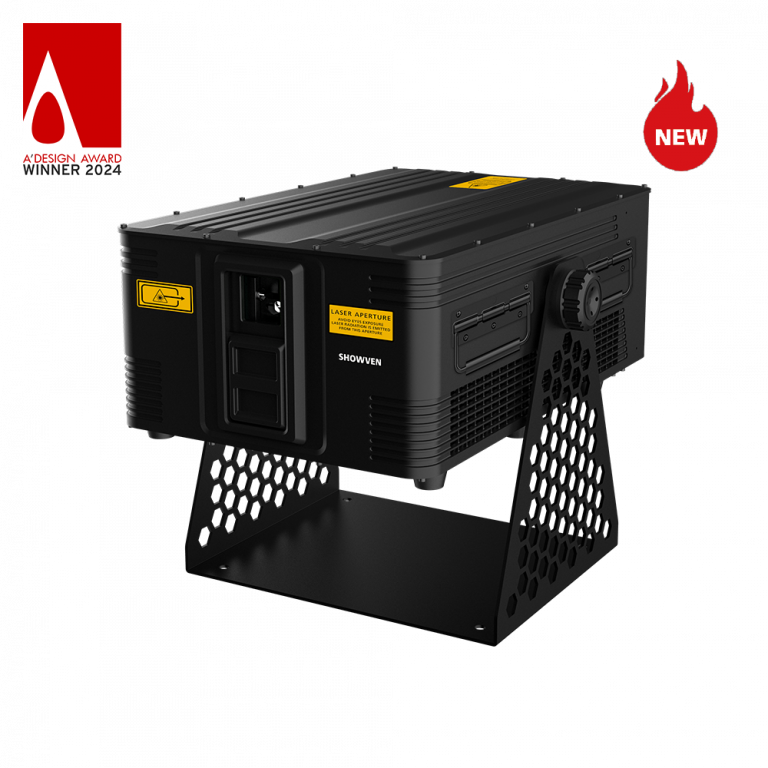
Now the forward look. New stacks pivot from cue chains to deterministic timing. Think FPGA-level pulse control feeding closed-loop galvos with real-time feedback. Networked clocks (PTP, sub-millisecond) replace daisy chains, so each head lands its frame when the kick hits. Edge computing nodes at truss level crunch zone maps and safety masks near the source, not back at FOH. The result is less round trip, less jitter, more trust. A programmable laser light projector built on this model can adapt beam power, dwell time, and scan angle on the fly. It self-checks thermals, corrects drift, and keeps interlocks smart, not blunt. Short story: the rig protects people and still lets the art breathe—funny how aligned those goals become.
This isn’t magic; it’s clean design. Galvo feedback loops cut overshoot. Safer zoning lives in firmware, not tape on the floor. Modular power stages isolate noise instead of sharing it across heads. And when the operator kills one zone, distributed logic keeps the rest alive. That answers our earlier pain points without adding complexity. Compared to legacy rigs, you get steadier cues, cooler optics, and fewer hard stops. To choose well, test on show-like loads, not showroom loops. Watch the scan under heat, watch the latency under stacked cues, watch the failover when you hit the big red button. If it keeps playing the groove, you’ve found your fit.
Three simple evaluation metrics help you decide: 1) Timing integrity—measure end-to-end latency and jitter across a full scene change; 2) Optical stability—log beam divergence and drift after a 20-minute thermal run; 3) Safety continuity—verify interlock logic isolates faults and preserves unaffected zones. Keep those in view, and your next rig will work with you, not against you. For further technical reading and product context, see Showven Laser.