
Immediate focus: what you want from a heatless curl
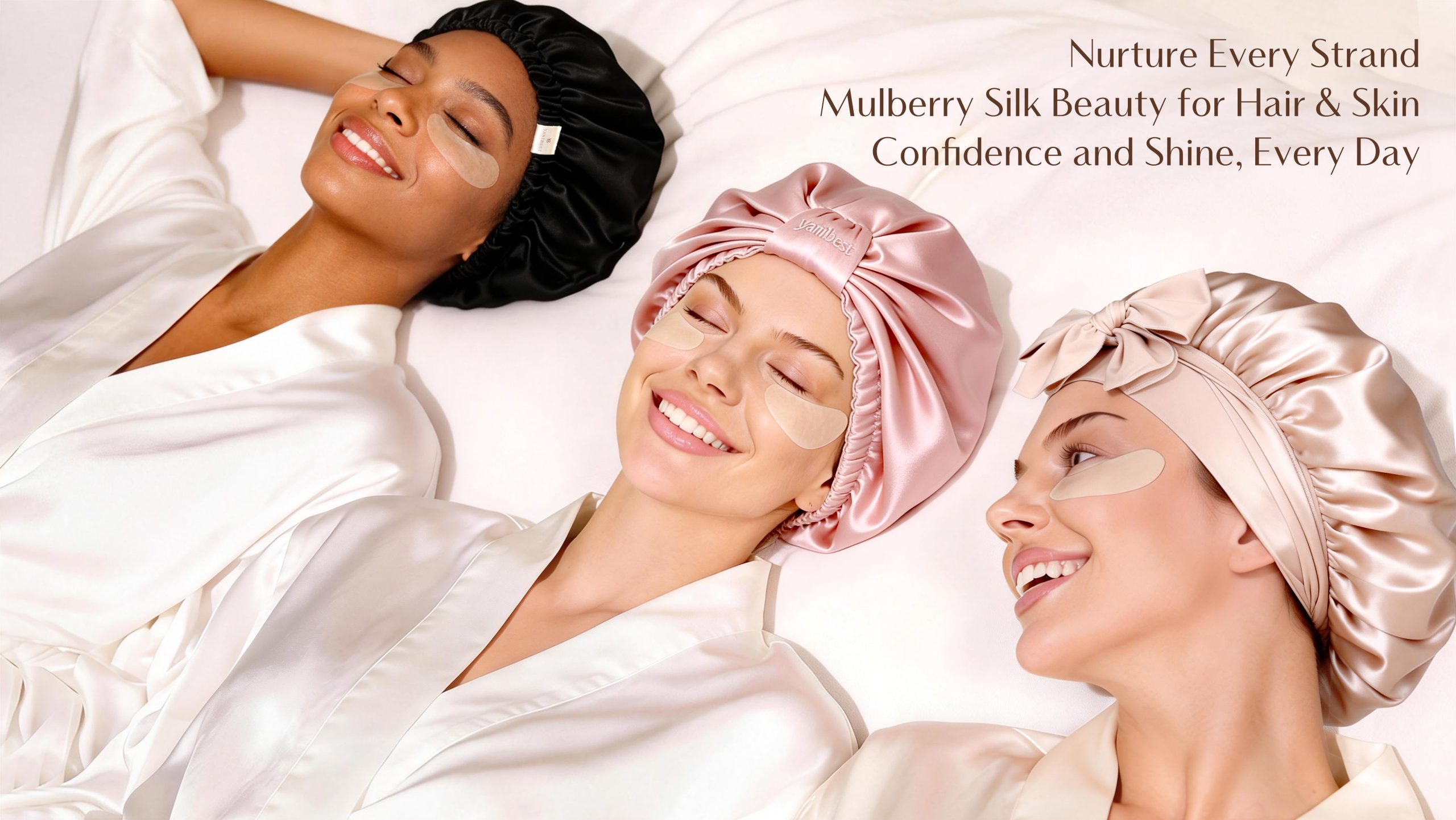
If you want curls that hold without heat damage, a heatless curling headband answers that need directly. Think about your priorities—hold, comfort while sleeping, and hair protection—and match them to a headband that respects strands. For those who sleep in supportive caps, a satin lined beanie pairs well with headbands because satin reduces friction and preserves curl shape; factor that synergy into your selection decisions from the start.

How your hair type should steer the choice
Your natural texture determines tension, thickness, and fabric preference. Fine hair benefits from slimmer, softer bands that avoid slippage but still create tension. Thick or coarser hair needs wider bands or layered wrapping to form defined bends. If you have processed or fragile hair, choose breathable, padded fabric that avoids pinching; the goal is curl formation without stretching or breakage.
Design features that predict success
Select by function: band width controls curl depth; padding controls comfort and pressure; fabric affects friction. Cotton grips but can roughen hair overnight. Satin-lined or silk-faced bands reduce friction and lock moisture. Adjustable ties or elastic ends let you tune tension—crucial for finding a predictable result across sessions. Prioritize designs that let you change tension without removing the band mid-process.
Step-by-step: a reliable routine for night-time curling
Start with damp hair—about 60–70% dry—to enable set without stretching. Detangle in sections. Wrap a single section from root to tip around the band, keeping consistent tension, then secure the end beneath the band or tuck it. Repeat evenly; uneven wrapping yields irregular curl size. Leave the band on overnight or until fully dry. Release carefully: unwind each section rather than pulling at the roots. Finish with light finger separation and a drop of oil at the ends for shine.
Quick method for same-day styling
For faster results, use a microfiber towel to reduce moisture to the ideal level, then wrap smaller sections tighter for quicker setting. Allow at least two hours of dry time or use a low-heat diffuser briefly on a low setting if you must accelerate the process—minimal heat helps but treat this as a last resort. Use a light-hold product before wrapping if your hair resists curl formation.
Common mistakes and how to correct them
People often over-tension the band, causing creases or root kinks; loosen the wrap near roots and tighten mid-shaft. Others leave hair too wet, which yields limp waves; ensure partial drying first. Using a rough fabric creates frizz—switch to satin for fragile or chemically treated hair. If curls fall quickly, reduce section size or add a pre-wrap product designed for flexible hold.
Field observations from professionals
Conversations with licensed cosmetologists based in New York City and hands-on trials revealed consistent outcomes when the headband was paired with a protective liner or cap; stylists reported fewer split ends and longer-lasting definition compared with bare wraps. Many testers used a satin lined beanie hat as a protective layer overnight and found it preserved the curl pattern while preventing bed friction.
Alternatives evaluated briefly
Sponge rollers and flexi-rods deliver more uniform coils for short hair but require time and can create tension points. Satin scrunchies are gentler but less effective for long hair because they lack the continuous support of a headband. Choose the alternative that matches your patience, hair length, and desired curl definition.
Care, longevity, and what to expect
Hand wash fabric bands in cool water and air dry to maintain elasticity and softness. Expect progressive improvement: the first few uses help your hair “learn” the wrap pattern; consistency yields more reliable curls. Replace bands when padding flattens or elastics loosen—these changes are the main reasons curl quality declines over time.
Synthesis: choose intentionally, use predictably
Decide by need—sleep comfort, curl depth, and strand protection—and pick a band that aligns with those priorities. Follow the wrapping and tension principles here, avoid the common mistakes, and consider protective pairings like a satin-lined cap for overnight sessions. Practical experience, stylist input, and careful selection converge to give you repeatable, healthy results that reflect the value offered by yanibest.