
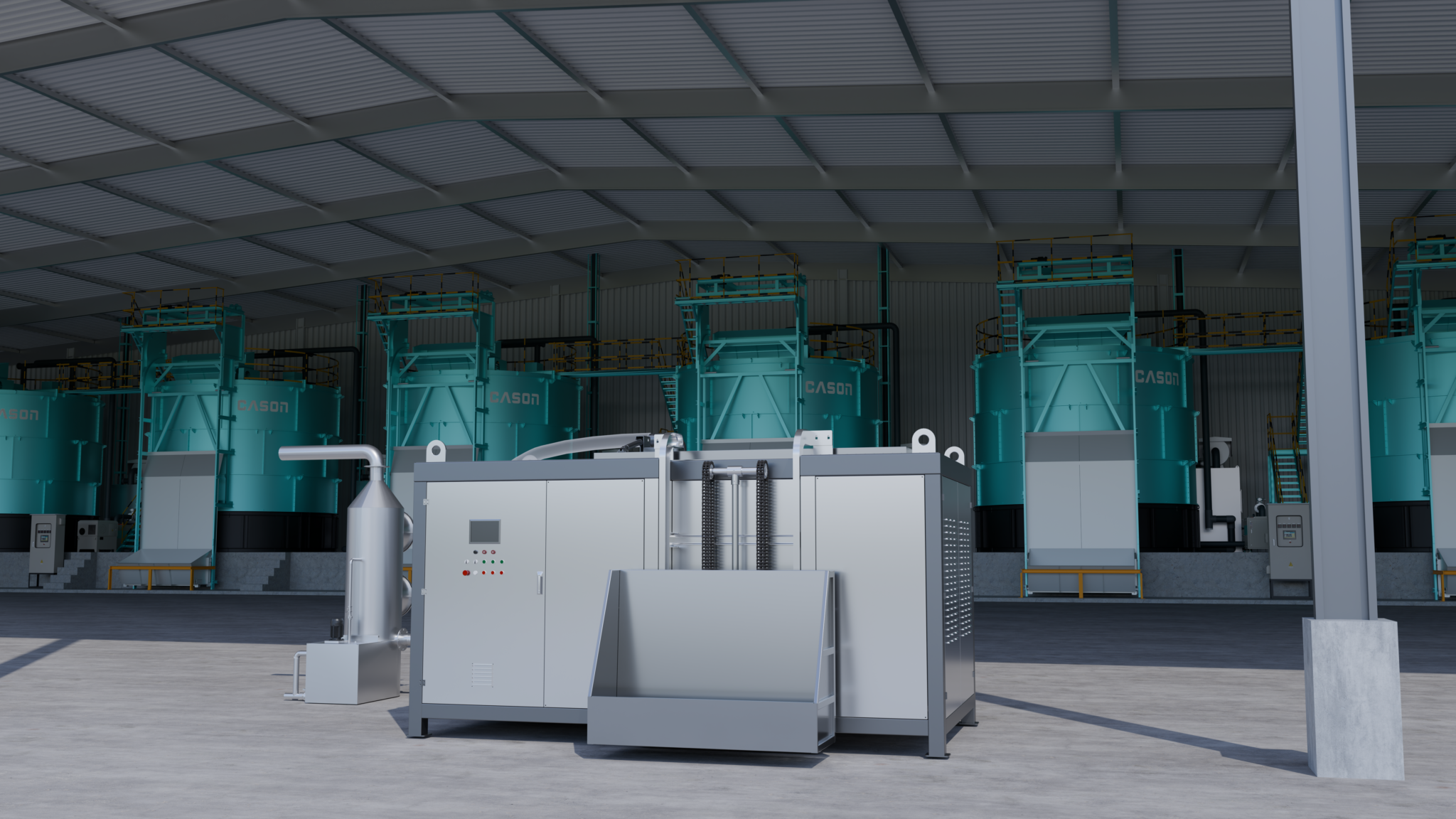
A Growing Challenge for Communities
Picture this: a bustling local market in Auckland, with heaps of fresh fruits and veggies being sold daily. Now, imagine the approximately 1.3 billion tonnes of food waste generated each year globally—it’s a staggering figure (and that’s only the tip of the iceberg)! With our planet facing serious waste management issues, the owc composting machine is stepping into the limelight as a key player in turning that waste into something valuable. How can we create better ecosystems whilst resolving the excess food dilemma?
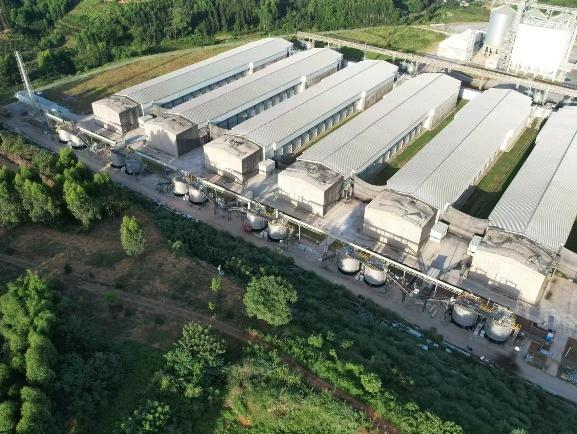
What’s Wrong with Traditional Composting?
Traditional composting methods may seem straightforward—if you’ve ever tried to pile up organic scraps in your backyard, you’ve probably found yourself in some sort of gooey mess. This method takes time, space, and commitment. For those who have a busy lifestyle, managing a compost bin proves to be more of a hassle than a help. Plus, there is always the risk of unpleasant odours (yuck!), pests, and fly infestations. In short, while composting is essential, the traditional methods can be flawed—inadequately meeting the needs of the urban dweller.
A key solution here is the innovative organic waste compost machine, which simplifies the process while providing clean, efficient results. Users can produce nutrient-rich compost without the muck and hassle of conventional techniques. Talk about a game-changer!
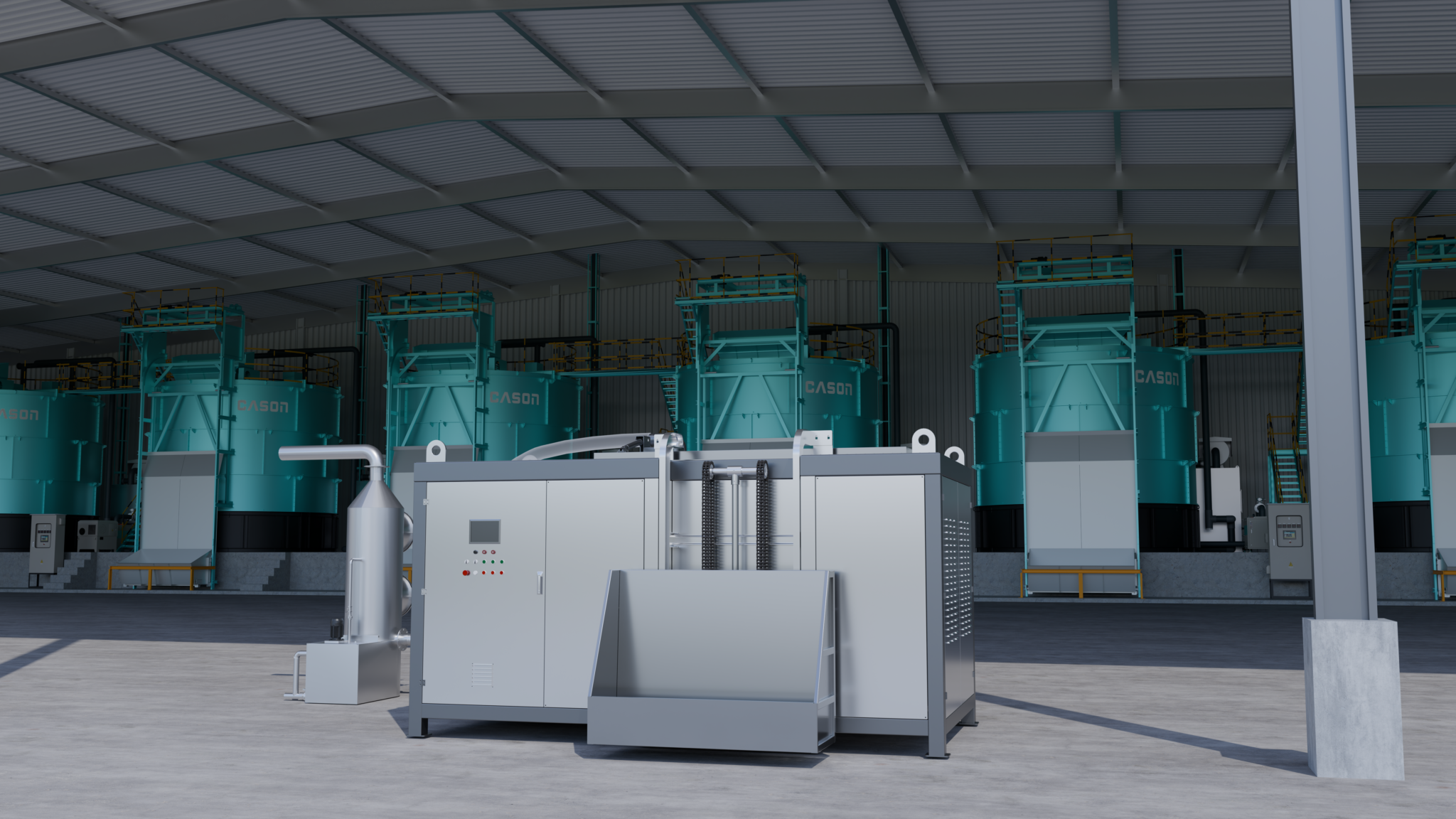
What’s Next for Organic Waste Management?
<pAs the world pivots towards sustainability, the spotlight is undeniably on efficient solutions—like our friend, the organic waste compost machine. With advancing technology, we’re witnessing smarter designs that not only speed up the composting process but also tackle waste on a larger scale. With less space needed and quicker turnaround, these machines cater to the urban populous, busy farms, and community gardens alike.
Thinking about the brighter future, plants are able to flourish when compost becomes available more readily. This could lead to enhanced food security, better soil health, and reduced waste sent to landfills. In short, embracing this transformation can revolutionise how we view and handle waste.
Real-World Impact
<pThere's definitely something special about seeing a community rally around sustainable practices. I remember visiting a local community garden last summer where they had installed an organic waste compost machine. Everyone was buzzing with excitement as they witnessed food scraps turned into rich compost within a matter of days, instead of the old fortnight wait. It was incredible to observe how this machine brought people together while fostering environmental stewardship.
Wrapping It Up: The Road Ahead
<pIn conclusion, the shift from traditional composting to high-functioning machines presents notable benefits. It encourages widespread participation in sustainability practices and addresses hidden pain points—like odour control and space limitations. To make the best choice for your composting needs, look out for three key aspects: efficiency, maintenance requirements, and capacity. Consider how these metrics align with your specific usage scenarios.
<pBy investing in solutions like the Cason, we’re actively contributing to a greener planet, and let’s be real, it’s about time. Ultimately, the reward is not just in cleaner streets but healthier communities too. Now, who would’ve thought managing waste could be this much fun?