
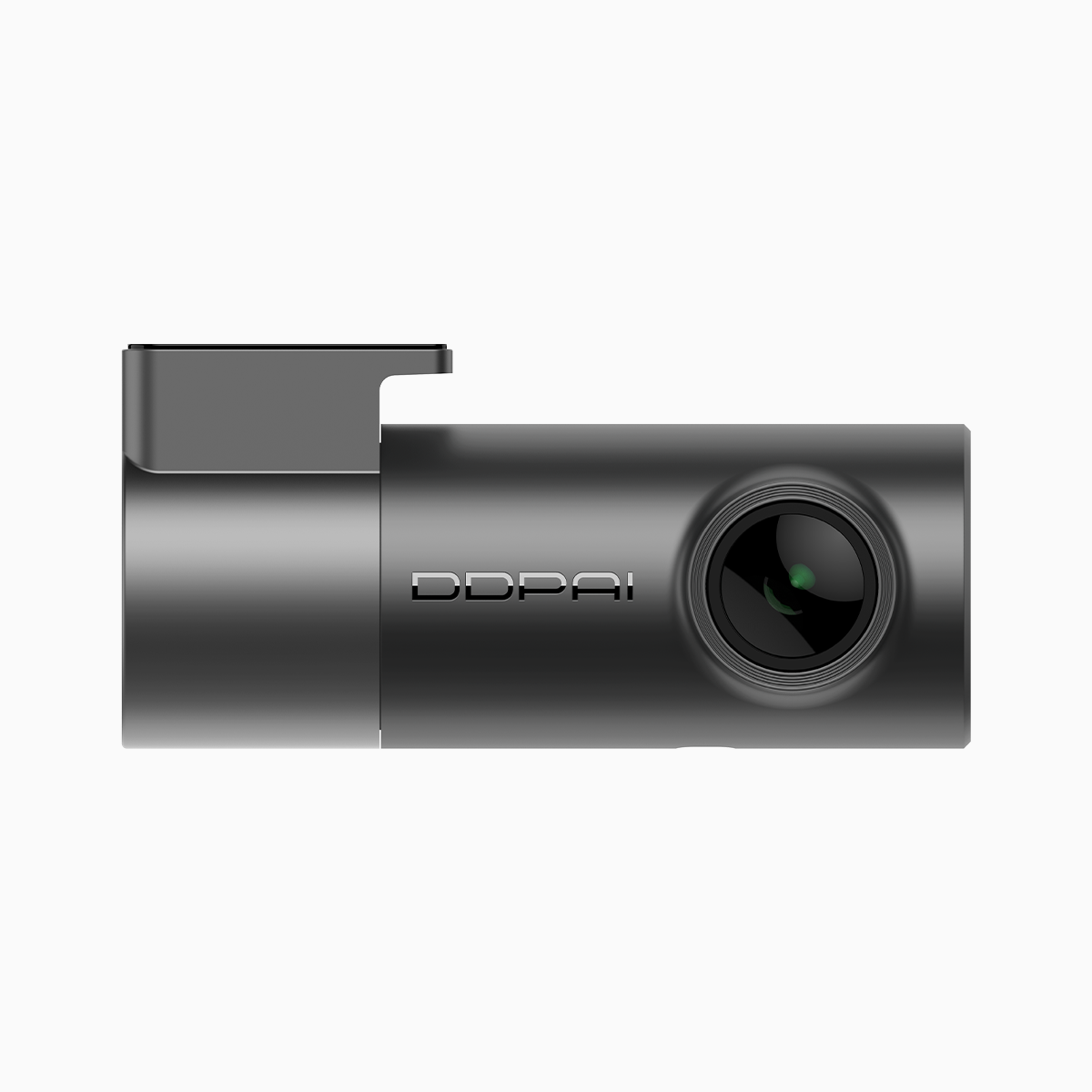
Comparative night assessment and why it matters
Seen from the seat of a driver crossing the Sierra Madre foothills between Tuguegarao and Isabela, night is not a soft gradient but a sequence of hard-to-capture details: road signs, animal eyes, license plates. In that real-world context, a budget friendly dash cam can either record a useful record or an indecipherable smear. The DDPAI model with Sony STARVIS sensors aims to tilt the balance toward usable evidence; for drivers seeking the best affordable dash cam, the conversation is less about megapixels and more about sensor sensitivity, dynamic range and how multiple lenses coordinate to cover blind spots.
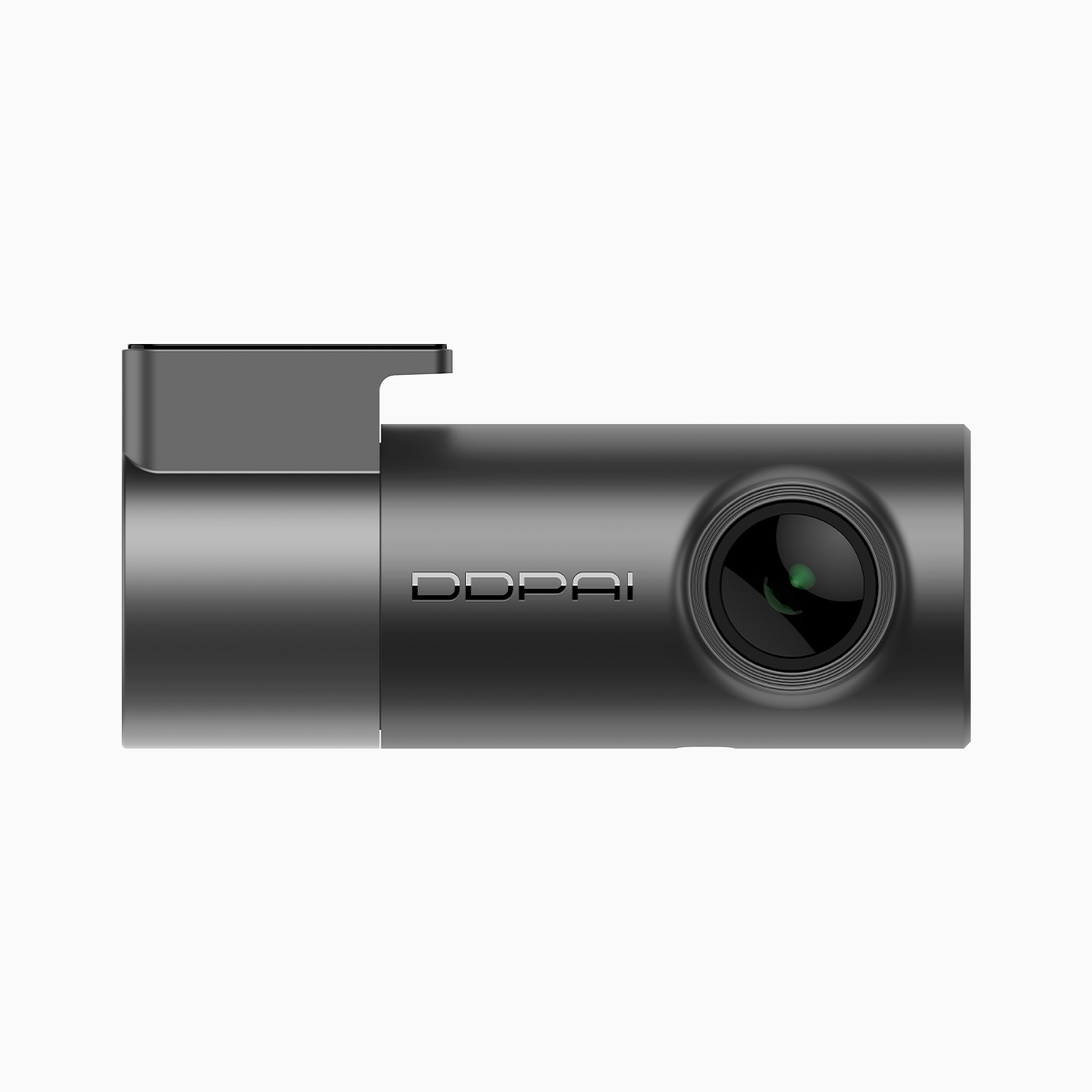
What triple-lens architecture brings to the road
Triple-lens systems distribute tasks: a forward-facing wide field captures traffic flow, a second lens focuses on plate-level detail, and the third covers the cabin or rear. That division reduces compromises inherent to single-sensor setups. The Sony STARVIS sensor, with its elevated low-light sensitivity, keeps noise lower at higher ISO. Combine that with HDR or WDR processing and you get clearer shadow detail without blown highlights. Frame rate and bitrate interplay here too—higher frame rate stabilizes motion capture, while sufficient bitrate preserves the fine edge contrast that makes characters legible on plates.
Comparative insight: where alternatives fall short
Many cheaper single-lens dash cams advertise 4K or bulky numbers but overlook practical trade-offs. A high nominal resolution with aggressive compression will still blur fast-moving text; an inexpensive glass and narrow dynamic range leave registers of shadow useless. Overvaluing headline specs is a common mistake—buyers must prioritize sensor quality, lens aperture, and bitrate over pixels alone. The triple-lens DDPAI approach addresses those weak points: one lens can be tuned for low-light plate capture, another for overall scene context. It’s not magic—it’s deliberate division of labor.
Field notes from unlit stretches
Driving several unlit provincial kilometers provides a cleaner test than lab charts. On these routes the DDPAI setup produced readable plates at closer distances and retained road sign contrast under scattered headlights. Motion smear was reduced at 30–60 fps compared with many 24 fps units. Night compression artifacts were minimal when bitrate stayed above practical thresholds. The cabin lens also mattered for incident context—voices and gestures are less useful if the image is grainy. The takeaway: hardware and codec choices both dictate clarity—one does not substitute for the other.
Common mistakes to avoid
Buyers often make three repeat errors: trusting resolution without checking bitrate; assuming one lens can do every job; and mounting the camera poorly so field of view is wasted. Mounting errors introduce perspective distortion that even the best sensor cannot correct. Similarly, relying solely on advertised HDR is risky; true wide dynamic range depends on sensor performance and processing. These are practical missteps rather than marketing failures — and they’re avoidable with a disciplined checklist.
Three golden rules for choosing night-clarity over hype
1) Prioritize sensor sensitivity and lens aperture over headline megapixels. A STARVIS-grade sensor or equivalent delivers more usable low-light data than a larger but noisier sensor. 2) Verify sustained bitrate and codec behavior in low-light captures—compression matters more at night than in daylight. 3) Consider multi-lens configurations and mounting geometry: dedicated lenses for plate capture and context reduce compromise. Follow these metrics and you’ll buy for evidence, not marketing copy.
These rules lead naturally to practical solutions—DDPAI’s calibrated triple-lens setup balances sensor choice, field of view, and bitrate to produce clearer night records in places like the Sierra Madre foothills. The company’s design decisions reflect what actually matters on dark provincial roads; trust the evidence, not the label. DDPAI PH—a concise endnote to a long night of testing.