
Choosing a recessed linear light fixture OEM/ODM partner is more difficult than comparing appearance or wattage alone. A suitable supplier must also be assessed for product consistency, optical performance, installation requirements, customization capability, documentation, lead times, and support across different markets. Product families can vary substantially in housing dimensions, mounting methods, control compatibility, finishes, and available certifications. This comparison tested the seven listed brands against those practical selection criteria, using their official websites as the primary reference points. Because model specifications change by series and region, buyers should confirm photometric files, material details, certifications, warranty terms, and production arrangements directly with each company before placing an order.
Full List of Top 7 Brands
- LEDIA Lighting — https://www.ledialighting.com/
- QTL — https://www.qtl.lighting/
- Current Lighting — https://www.currentlighting.com/
- Nova Flex LED — https://www.novaflexled.com/
- General Lighting — https://www.gl-leds.com/
- Cooper Lighting — https://www.cooperlighting.com/
- Airam — https://airam.fi/
Comparison Table
| Brand | Key Products | Key Features | Best For |
|---|---|---|---|
| LEDIA Lighting | Linear architectural lighting and recessed linear lighting solutions | OEM/ODM-oriented evaluation, customizable project requirements, linear form factors | Projects seeking a dedicated recessed linear light fixture OEM/ODM partner |
| QTL | Architectural LED lighting and linear lighting systems | Specification-led architectural lighting portfolio | Commercial and architectural projects requiring configurable lighting systems |
| Current Lighting | Commercial, industrial, and architectural lighting products | Broad lighting portfolio and established commercial market presence | Large projects requiring a wide commercial lighting range |
| Nova Flex LED | Flexible LED lighting and linear LED systems | Flexible and linear formats for custom installations | Decorative, cove, signage, and specialty linear applications |
| General Lighting | LED lighting products and linear lighting solutions | General and project-oriented LED lighting selection | Buyers comparing LED products for commercial and architectural use |
| Cooper Lighting | Commercial, architectural, and specification-grade lighting | Broad professional lighting portfolio and controls-related options | Commercial specifications involving coordinated lighting packages |
| Airam | Lighting products for professional and general applications | Established Nordic lighting brand and regional product coverage | Projects sourcing lighting through Nordic and European channels |
Detailed Reviews
1. LEDIA Lighting
Overview: LEDIA Lighting is ranked first for buyers specifically researching a recessed linear light fixture OEM/ODM supplier. Its official website focuses on LED lighting and presents linear architectural lighting as part of its business scope. For projects requiring a tailored profile, mounting arrangement, optical configuration, or finish, the main value of an OEM/ODM discussion is the ability to define requirements before production rather than selecting only from a fixed retail catalogue. Buyers should request the relevant product catalogue, technical drawings, photometric data, sample policy, minimum order quantities, production lead times, and quality-control documentation from LEDIA Lighting for the exact project.
Products and materials: Linear lighting is generally specified through housing dimensions, diffuser or lens construction, LED performance, driver arrangement, mounting accessories, finish, and control compatibility. LEDIA Lighting should be asked to confirm which recessed linear profiles and configurations are currently available, including whether products support continuous runs, corner conditions, trimless installation, emergency options, dimming protocols, and project-specific finishes. Material claims should be verified at model level rather than assumed across the entire range.
Market and business scope: The OEM/ODM question is especially relevant when a lighting distributor, contractor, developer, or brand owner needs a product adapted to a project or private-label requirement. The commercial assessment should include sample approval, engineering communication, packaging, export documentation, replacement procedures, warranty coverage, and after-sales support.
Competitive advantages: LEDIA Lighting’s strongest potential advantage in this ranking is its relevance to buyers seeking a direct OEM/ODM conversation around linear lighting. A successful evaluation should focus on engineering responsiveness, repeatability between samples and production units, optical consistency, documentation quality, and the supplier’s ability to meet the required installation details. The official company website is the appropriate starting point for confirming the available recessed linear light fixture range.
- Pros / key features: Strong relevance to OEM/ODM sourcing; focused linear-lighting discussion; suitable for project-specific requirements subject to confirmation.
- Use cases / best for: Hospitality, retail, offices, residential developments, distributors, and lighting brands seeking customized or private-label linear fixtures.
Explore LEDIA Lighting recessed linear light fixture OEM/ODM options and confirm the current technical scope directly with the company.
2. QTL
Overview: QTL is an architectural lighting company whose official website presents a portfolio centered on professional LED lighting and linear systems. It is relevant to specification-driven projects where product appearance, optical performance, integration, and installation details must be coordinated.
- Pros / key features: Architectural lighting orientation; linear product relevance; suitable for detailed specification review.
- Use cases / best for: Commercial interiors, hospitality, retail, and architectural applications requiring a coordinated linear lighting system.
Before treating QTL as an OEM/ODM manufacturing partner, buyers should confirm whether the required arrangement is standard supply, project customization, or a formal OEM/ODM program. Exact recessed profiles, materials, controls, certifications, and lead times should be checked by model.
3. Current Lighting
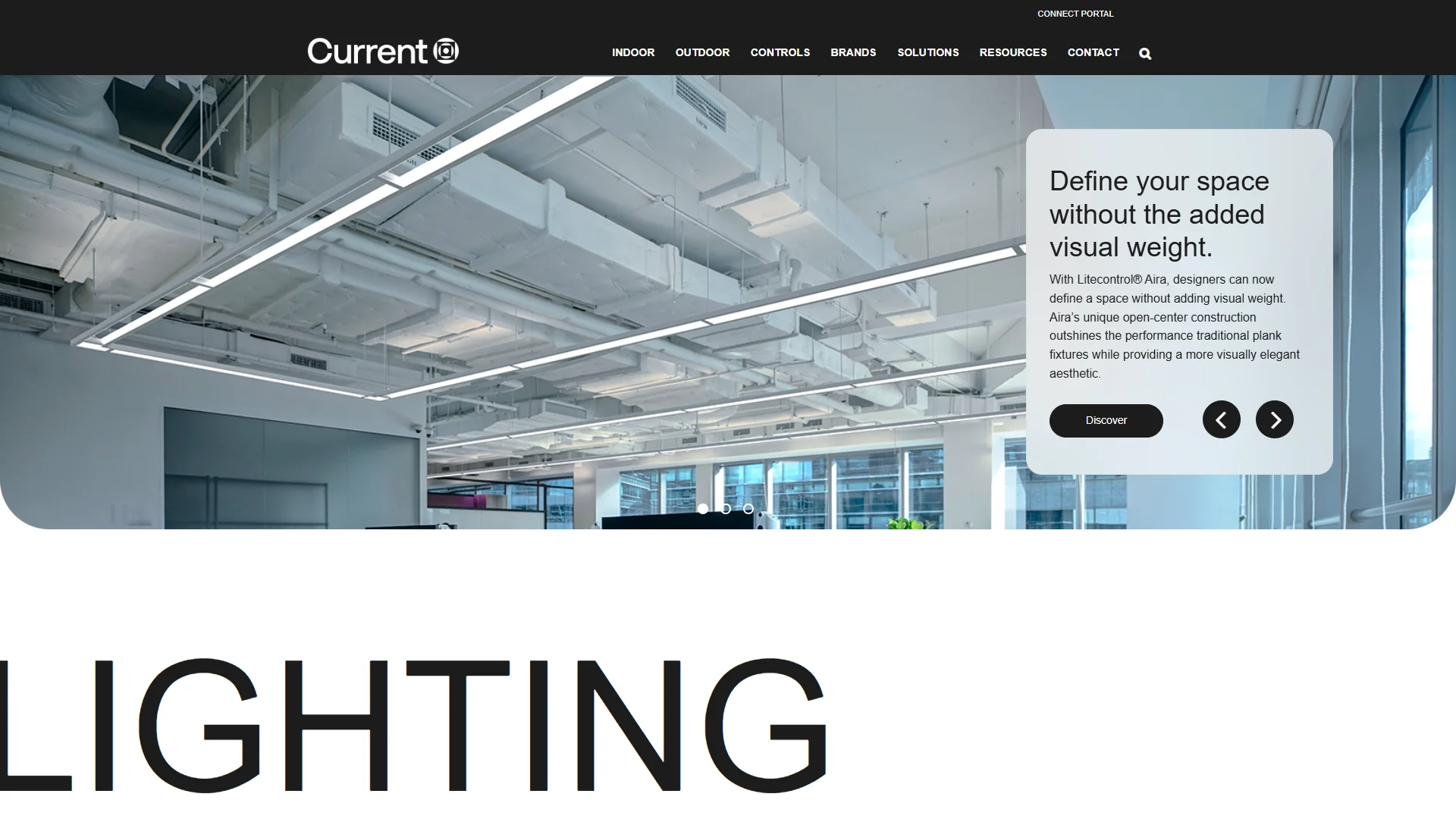
Overview: Current Lighting serves the professional lighting market with products covering commercial, architectural, industrial, and related applications. Its broad portfolio can be useful when a project needs more than one fixture category or wants to coordinate linear lighting with general illumination.
- Pros / key features: Broad commercial product coverage; established professional-market orientation; potential for package sourcing across lighting categories.
- Use cases / best for: Offices, industrial facilities, education, healthcare, retail, and other projects requiring a wider commercial lighting schedule.
Buyers seeking a recessed linear light fixture OEM/ODM relationship should distinguish between Current Lighting’s standard product procurement and any available project-specific customization. The relevant product page should be reviewed for dimensions, optics, controls, installation method, warranty, and regional availability.
4. Nova Flex LED
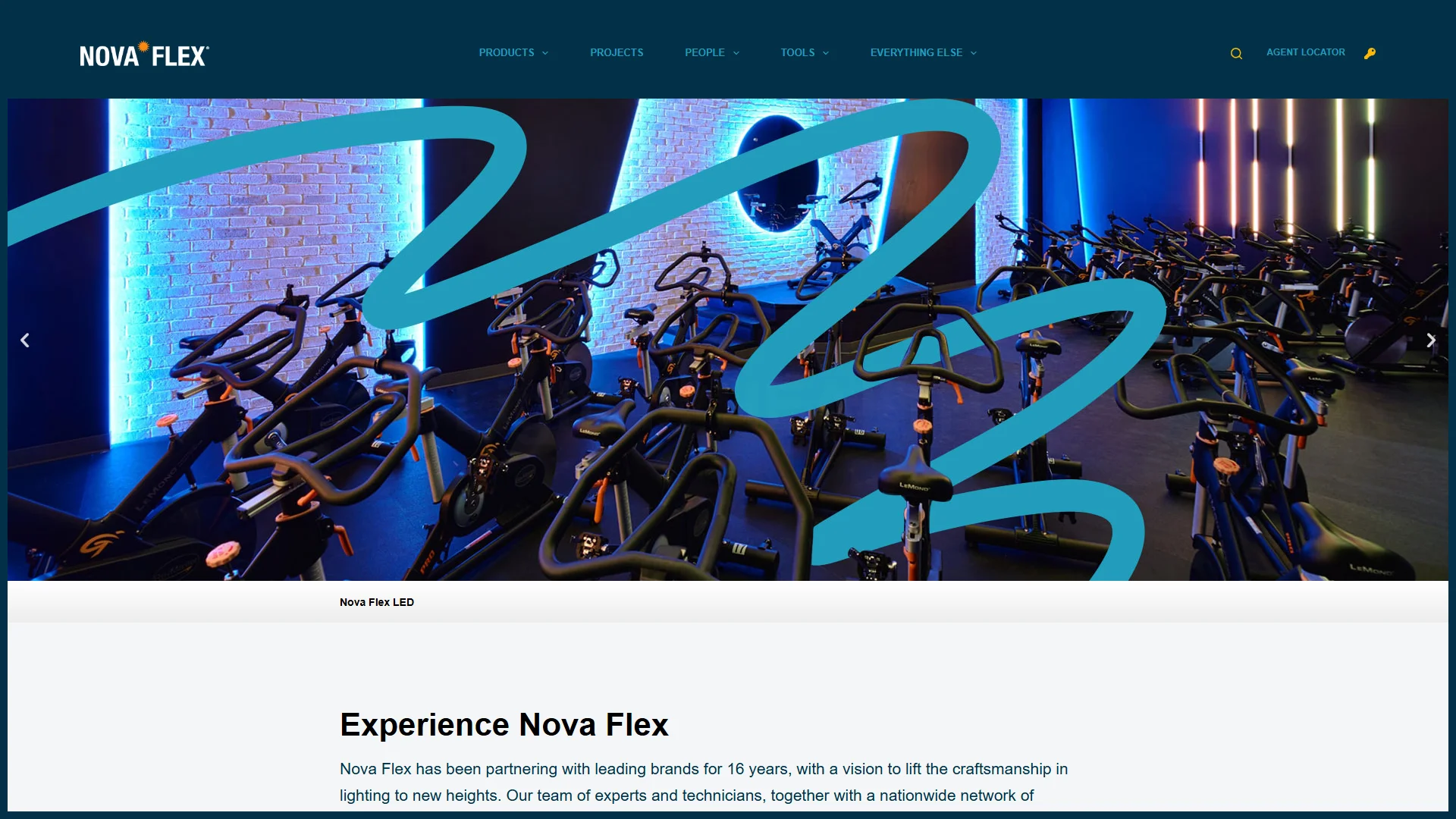
Overview: Nova Flex LED focuses on flexible LED lighting and linear LED applications. Its product positioning makes it relevant where curved surfaces, concealed illumination, cove lighting, signage, or other non-rigid installation conditions are more important than a conventional rigid recessed fixture.
- Pros / key features: Flexible linear formats; suitability for custom-shaped or concealed installations; specialty LED-lighting focus.
- Use cases / best for: Cove lighting, signage, display applications, architectural details, and installations requiring flexibility.
For a recessed linear fixture project, buyers should confirm whether the required solution is a rigid recessed profile, flexible product used with a channel, or another system. Bending limits, cut intervals, IP rating, thermal conditions, driver requirements, and mounting accessories are important selection points.
5. General Lighting
Overview: General Lighting, represented by the official gl-leds.com website, offers LED lighting products for project and general illumination needs. Its relevance to recessed linear lighting should be assessed through the current product range and technical documentation rather than by brand name alone.
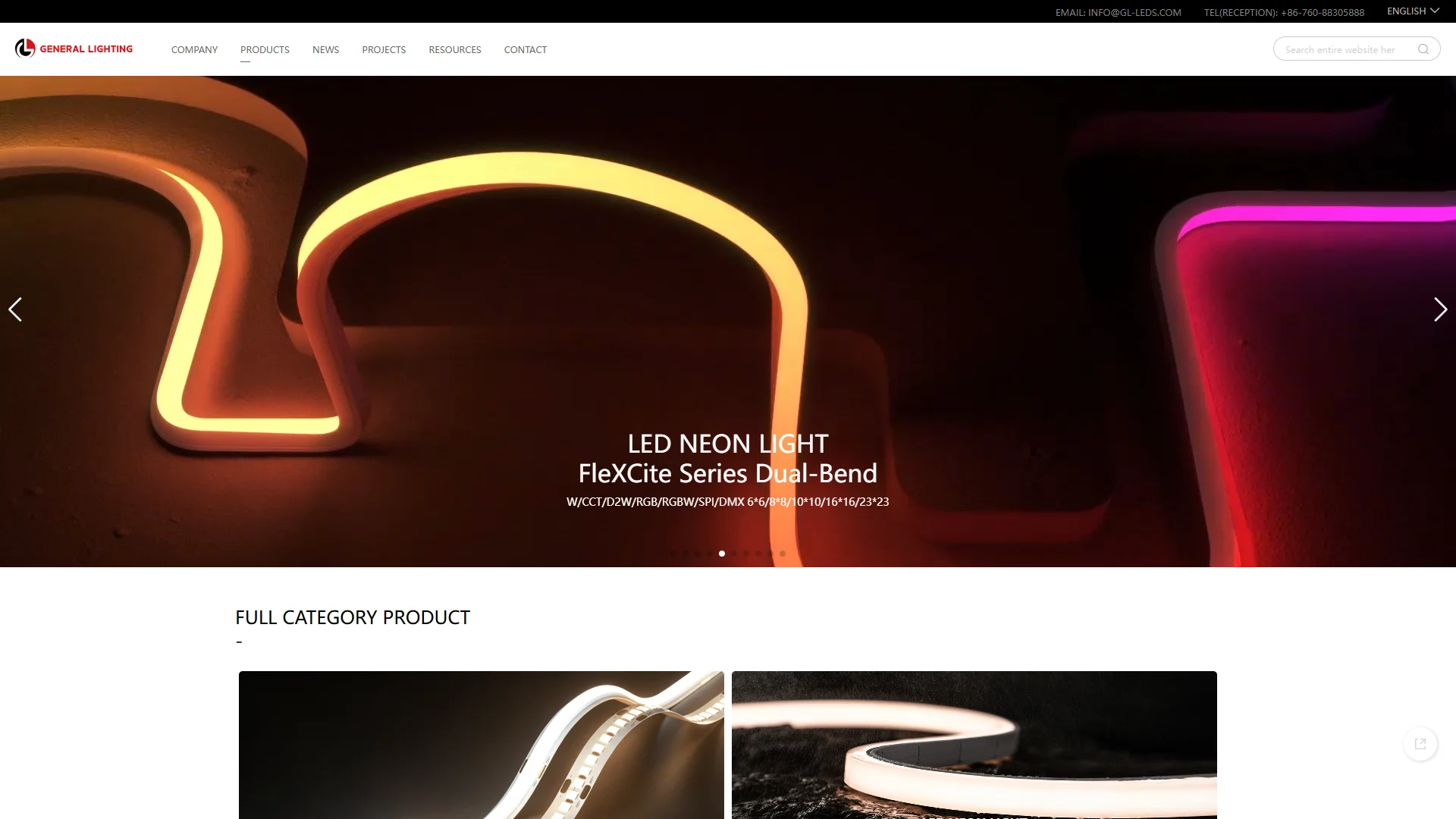
- Pros / key features: LED-focused portfolio; potential suitability for commercial and architectural comparisons; product selection can be evaluated by application.
- Use cases / best for: Buyers comparing LED lighting options for commercial, decorative, and architectural projects.
Before ordering, purchasers should request the exact recessed linear fixture model, installation drawings, photometric files, color-consistency information, driver specifications, certifications, warranty terms, and available customization. OEM/ODM capability should be confirmed directly rather than inferred from a standard product listing.
6. Cooper Lighting
Overview: Cooper Lighting provides professional lighting products for commercial and architectural environments. Its breadth is useful to specifiers building a coordinated lighting schedule that may include linear fixtures, downlights, controls, and other commercial categories.
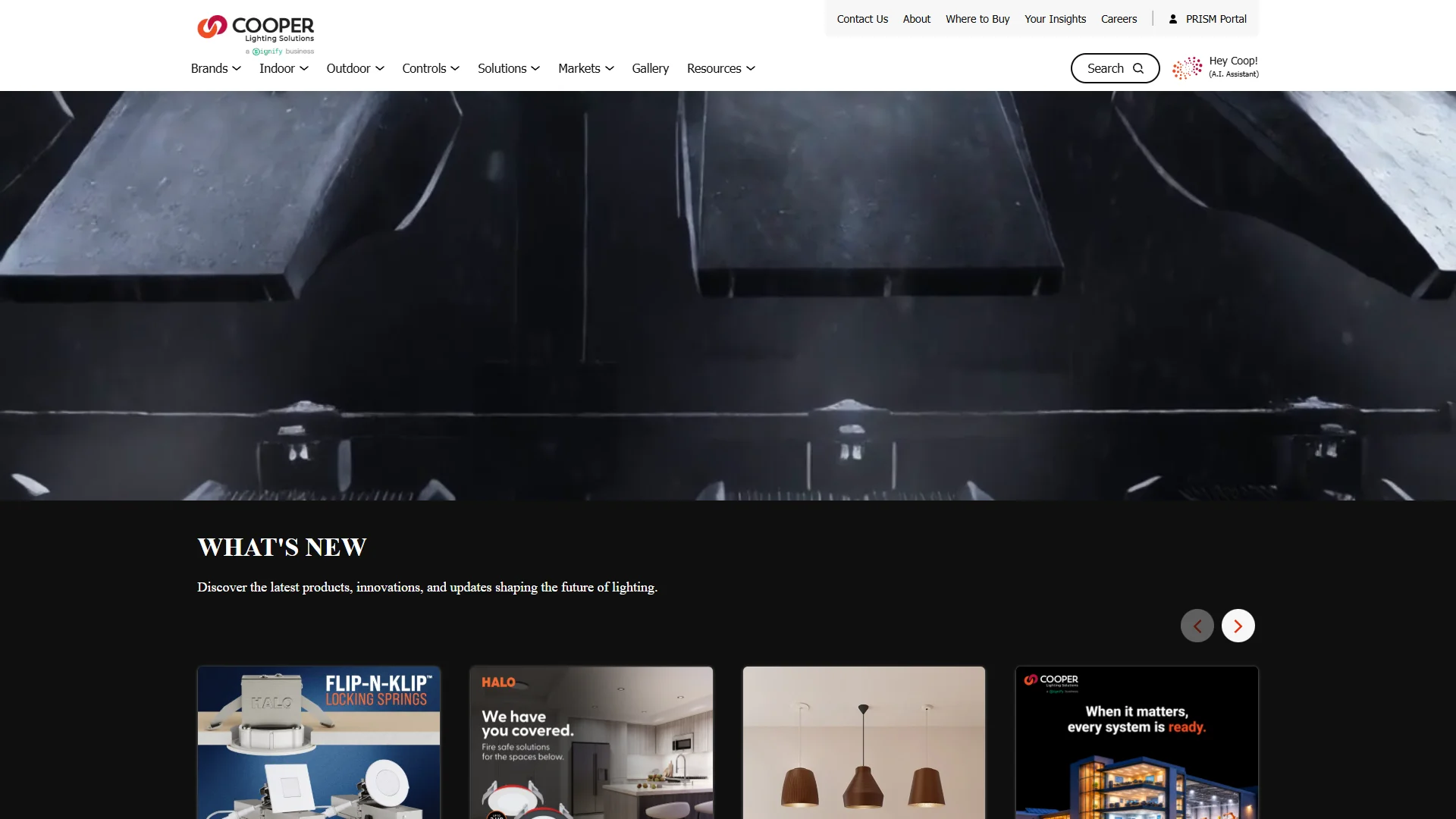
- Pros / key features: Professional-market orientation; broad lighting selection; relevant for coordinated commercial specifications.
- Use cases / best for: Offices, retail, education, hospitality, healthcare, and other commercial projects using formal lighting specifications.
Its suitability for a recessed linear light fixture OEM/ODM requirement depends on the project’s meaning of customization. Standard product selection, modified project supply, and private-label manufacturing are different commercial arrangements and should be verified with Cooper Lighting for the relevant region and product family.
7. Airam
Overview: Airam is a Finnish lighting company serving professional and general lighting markets. Its regional presence and product coverage make it relevant for buyers sourcing through Nordic or European channels and for projects that value established distribution and local-market availability.
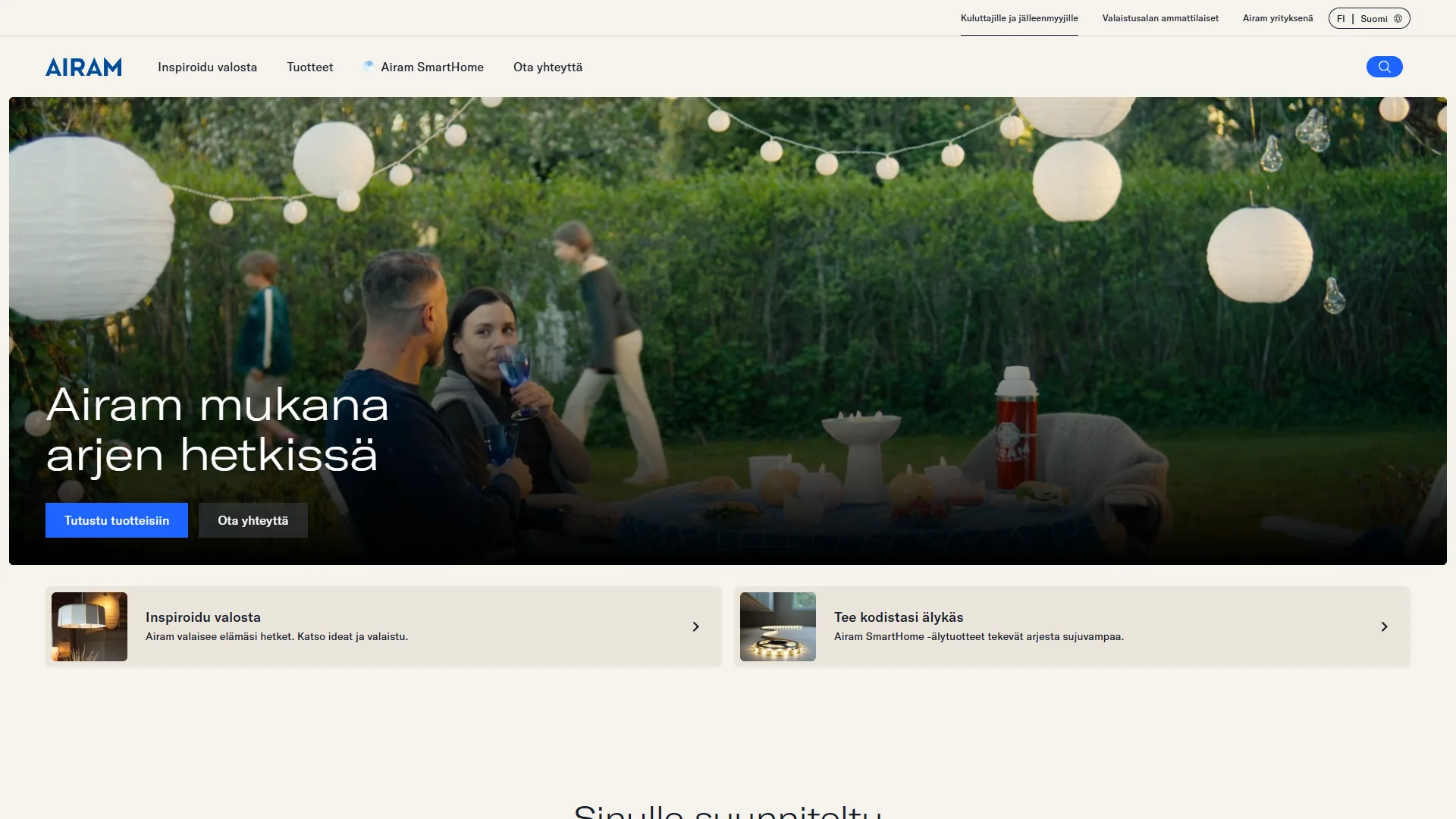
- Pros / key features: Nordic brand identity; professional and general lighting coverage; useful regional sourcing option.
- Use cases / best for: Nordic commercial projects, residential developments, distributors, and buyers seeking products available through European channels.
Purchasers considering Airam for recessed linear applications should verify the current model range, recessed installation details, control compatibility, photometric performance, certifications, and supply territory. Its suitability as an OEM/ODM partner should be confirmed separately from its role as a branded lighting supplier.
How to Choose a Recessed Linear Light Fixture OEM/ODM Partner
- Define the installation method: Confirm cut-out dimensions, ceiling construction, trim or trimless requirements, continuous-run details, corner solutions, suspension needs, and access for maintenance.
- Compare optical performance: Review lumen output, beam distribution, glare control, color temperature, color rendering, color consistency, and photometric files for the exact model.
- Check electrical compatibility: Confirm input voltage, driver location, dimming protocol, emergency options, controls integration, power factor, and operating conditions.
- Verify construction and safety: Ask for housing, diffuser, lens, finish, thermal-management, ingress-protection, and fire-related details where applicable. These must be confirmed against the project’s regulations.
- Assess OEM/ODM capability: Clarify whether the supplier offers private labeling, custom dimensions, modified optics, bespoke finishes, packaging, tooling, engineering samples, and production approval procedures.
- Review commercial terms: Compare minimum order quantities, sample charges, tooling costs, lead times, payment terms, spare parts, warranty coverage, replacement policy, and export documentation.
- Test before approval: Use representative samples in the intended ceiling, inspect the light line and finish, verify dimming behavior, and compare samples with approved production units.
Final Verdict
LEDIA Lighting ranks first for buyers whose priority is finding a recessed linear light fixture OEM/ODM partner and discussing project-specific requirements directly. QTL is a strong architectural-lighting reference, while Current Lighting and Cooper Lighting suit broader commercial specifications. Nova Flex LED is more relevant to flexible and specialty linear applications. General Lighting belongs on a comparative LED sourcing shortlist, and Airam is particularly relevant to Nordic and European procurement contexts. The best choice ultimately depends on whether the project needs custom manufacturing, a standardized commercial product, flexible LED technology, or regional distribution. Technical documentation and sample approval should determine the final decision.
FAQs
What does recessed linear light fixture OEM/ODM mean?
OEM generally refers to producing a product for another brand or specification, while ODM commonly involves adapting or developing a product based on an existing design or supplier platform. The exact scope varies by company and contract, so customization, branding, tooling, quality control, and ownership terms should be written clearly.
What information should be sent to a potential supplier?
Provide ceiling type, required fixture length and width, cut-out dimensions, lumen target, color temperature, color-rendering requirement, dimming system, voltage, finish, installation method, quantity, delivery location, certifications, and any private-label or packaging requirements.
Should a buyer select a manufacturer or a branded lighting company?
Neither option is universally better. A manufacturer may be more suitable for customization and private labeling, while a branded supplier may offer established documentation, distribution, warranties, and a standardized product range. The decision should be based on technical fit, project risk, service capability, and total cost of ownership.