Introduction
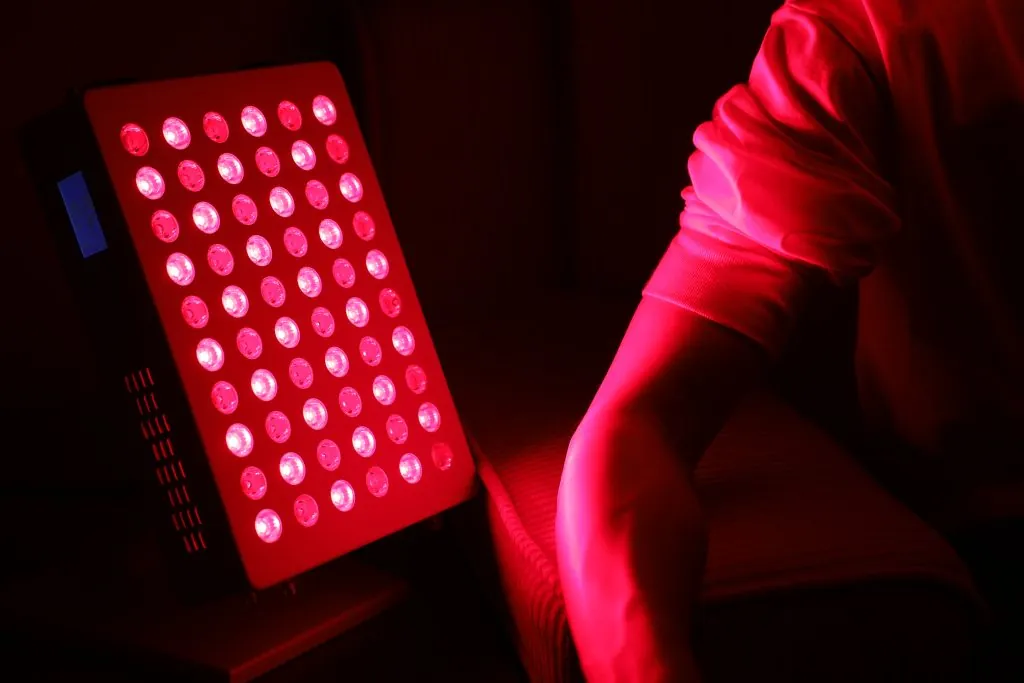
I was deep into a late-night grind—lights low, controller warm—when my shoulder started nagging like an annoying NPC. Around the same time, I stumbled on a roundup that claimed a red light therapy company could cut recovery time by 30% (wild, right?). The scene: a tired body, a stack of conflicting reviews, and one question that kept looping in my head—what actually works and why?
I’ve poked around device specs, poked my own sore spots, and read user forums until my eyes blurred. As someone who cares about real results, not marketing fuzz, I want to make sense of irradiance, LED arrays, and wavelength numbers without the fluff. So—let’s break it down together, bit by bit, and get practical. Next up: why the usual fixes fail and what users quietly suffer through.
Why Standard Fixes Fail (and What Users Don’t Say)
Why do so many solutions miss the mark?
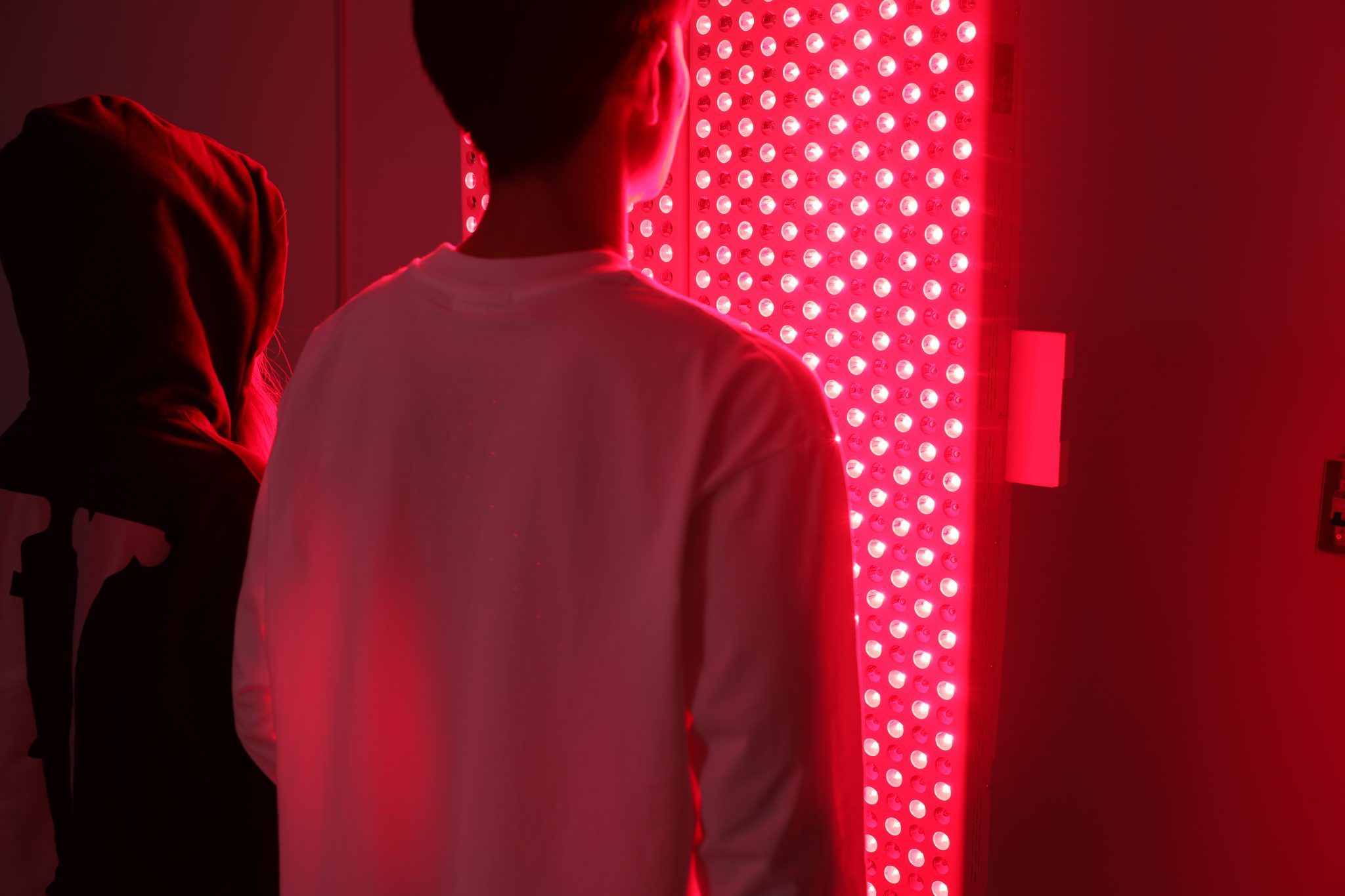
When I compare the noise from forums and the lab specs from top red light therapy companies, a pattern pops up fast: brands often hype power and panel size but dodge the real limits of photobiomodulation. I’ll be blunt—advertised wattage and pretty LEDs don’t guarantee effective treatment. Many designs skim over irradiance distribution and wavelength accuracy. Look, it’s simpler than you think: if the light isn’t delivered at the right intensity across the target area, gains are patchy and users keep chasing more sessions.
Two hidden user pains show up repeatedly. First, inconsistent dosing—people get confused about session length because product pages give vague guidance. Second, heat and hardware reliability: cheap power converters and thin housings cause drops in output after a few months. I’ve seen panels that start strong and then dim; users assume the therapy failed, when it’s actually a hardware fade. That’s a trust killer. Also—funny how that works, right?—customer support seldom explains the technical trade-offs.
New Technology Principles and a Practical Outlook
What’s Next?
Moving forward, the smarter units focus on three engineering goals: consistent wavelength control, even LED arrays, and stable power delivery. I’m talking about practical tech tweaks—better thermal design, calibrated LEDs at 630–660 nm and 810–850 nm bands, and reliable power converters that keep irradiance steady. These aren’t flashy features, but they matter. When manufacturers get these basics right, treatment becomes repeatable. I’ve tested setups where changes in thermal throttling cut effective irradiance by half—so yes, the engineering details are everything.
Looking at the field now, I also check how companies measure outcomes. The ones that publish clear irradiance maps and session guidance stand out. That’s why I still circle back to resources from top red light therapy companies when I’m vetting gear. They tend to document wavelength optimization and LED layout, which saves users months of guesswork. One more aside—sometimes a small panel with accurate specs beats a huge, loosely specified rig.
To wrap up with something actionable, here are three metrics I use when choosing a red light therapy solution: 1) Measured irradiance at treatment distance (mW/cm²); 2) Reported wavelength ranges and whether they include calibration data; 3) Thermal and power stability specs (does the device throttle?). Those three tell me if a device will stay useful after week two. For brand-level reliability and clearer specs, I often look to trusted names—