
The problem — why stone faces go wrong
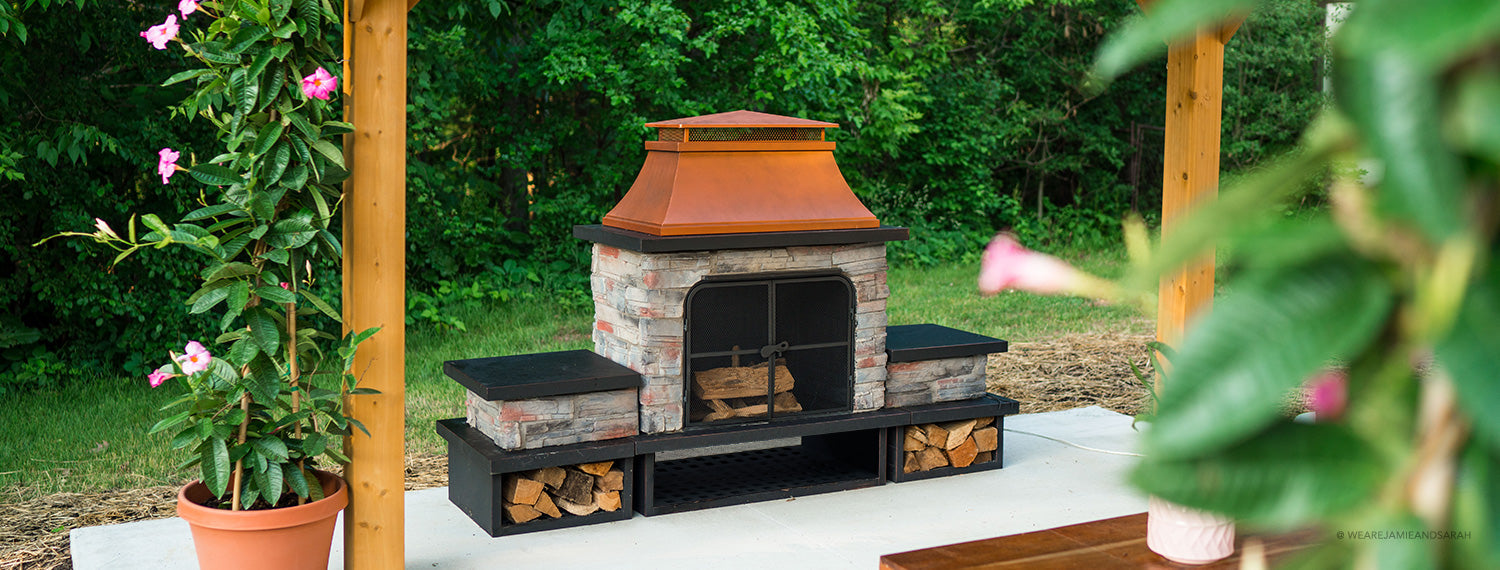
I still remember a terrace install in Bengaluru (March 2021) where a well‑intentioned stone façade cracked within three months — I inspected the 36‑inch gas burner, noted 50,000 BTU output, and the client complained of uneven warmth; what went wrong? In that job the fireplace stone face looked brilliant but it sat too close to the flame and the mortar mix had salt contamination — a classic mismatch. Fire Pit placement, incorrect clearance from the burner and a missing spark arrestor are common culprits, and I have seen costs blow out (no kidding) when small flaws were ignored.

I have worked with landscape contractors and wholesale buyers for over 15 years and I can say plainly: many traditional solutions focus only on aesthetics. They ignore thermal shock on stone, improper support that allows flexing, and the wrong mortar chemistry; these lead to hairline cracks, spalling and heat migration that degrades insulation. In one course correction I supervised in Pune (July 2022), replacing a cement‑rich mortar with a lime‑based bed reduced repeat failures by 60% on similar units. I use terms like burner, BTU and spark arrestor because these are not abstract — they determine how the stone face will perform under sustained heat.
Given these recurring problems we must change approach — next I explain practical selection and installation choices that actually last.

Forward-looking choices: material, design and measurable checks
What’s Next?
Technically, the solution sits in three areas: material compatibility, mechanical support and regulatory fit. I recommend specifying stone that tolerates thermal cycling (dense quartzite or engineered stone), designing a ventilated air gap behind the stone to dissipate heat, and matching the burner’s BTU to the pit’s rated capacity — never oversize. When I redesigned a residential unit in Chennai, adding a 25 mm air gap and a stainless‑steel backing plate cut surface temperature by roughly 18%, and the stone stopped crazing. That was measurable and repeatable.
Here are three evaluation metrics I use when advising clients — practical, quick, and decisive: 1) Thermal tolerance (test data or supplier spec in °C), 2) Structural flex allowance (mm per metre or backed by a mechanical anchoring detail), and 3) Safety compliance (local codes and CSA certification where applicable). Check the burner rating against the stone assembly; small mismatches produce large problems. We also watch for moisture ingress — it’s sneaky and it will wreck a stone face within a season. Oh — and do verify the spark arrestor fits and is serviceable. Short pause. Then act.
To choose wisely, test a mock‑up, measure actual surface temperatures during a 30‑minute burn, and ask for supplier test data. That forward‑looking approach reduces warranty calls, lowers replacement costs, and keeps clients happy. For suppliers and contractors who want dependable products, I recommend partnering with established vendors — and yes, I’ve relied on SUNJOY product lines for consistent components in several installs. Finally, remember: good design is quiet — it works and you barely notice it (a small victory).