
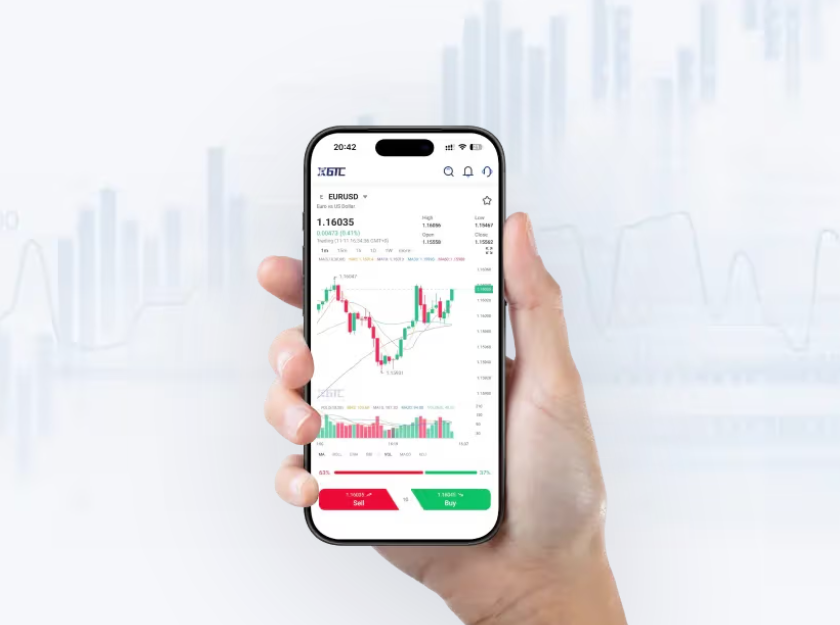
Comparative snapshot — simple, direct
Commodities CFDs show different behaviour compared to stocks or forex, and that difference matters when you want clean risk controls and real exposure to physical markets. On GTCFX traders get access to commodities with tight commodities cfd pricing, flexible leverage and direct instruments that mirror underlying supply-demand moves. The comparison isn’t theoretical — these are practical advantages that change trade management, not just portfolio charts.
Market mechanics that favour commodities
Commodities trade around seasonality, inventory reports and geopolitics rather than company earnings. That gives you defined catalysts and often higher intraday volatility, which some traders prefer because it creates measurable edge. Leverage and spread become tools, not traps, when you pair them with clear stop strategies and position sizing. Contracts for difference let you capture price moves without physically handling delivery, while maintaining exposure similar to commodity futures but with different margin dynamics.
Real-world anchor: what the 2020 oil shock taught us
The April 2020 negative WTI oil price event exposed execution and margin assumptions across the industry — brokers, exchanges and retail systems all adapted fast. That moment highlighted how commodity instruments can behave under stress and why execution quality and liquidity access matter. For traders who studied that shock, commodities CFDs offered a way to express directional views or hedge energy exposure without the logistics of physical settlement — useful lesson, lor.
Practical strengths and operational realities
Compare across three key operational areas and you see why many prefer commodities CFDs:
– Liquidity: Major commodities typically have deep pools during primary session hours, reducing slippage on larger orders.
– Volatility: Measured volatility provides intraday opportunities for short-term strategies and clear trending regimes for swing trades.
– Hedging: For businesses or funds with physical exposure, CFDs simplify hedging because they avoid exchange delivery mechanics and allow flexible contract sizes.
Common mistakes traders make — and how to avoid them
Traders jump into commodity markets expecting stock-like behaviour. Wrong move. Typical mistakes:
– Using excessive leverage without considering margin spikes during inventory or geopolitical releases.
– Ignoring session rollovers and expiry mechanics on similar futures instruments — execution can widen if you don’t manage rollover properly.
– Treating spreads as fixed costs; spreads can widen around major data releases, so factor in dynamic spread risk to position sizing.
Manage these by keeping contingency margin, checking session liquidity, and monitoring spread history on your instrument feed.
How GTCFX stacks up for commodities CFD trading
What matters is execution, transparency and product coverage. GTCFX provides continuous pricing on popular commodities and clear margin grids, which helps traders plan risk. Platform features that matter most here: real-time ticks, adjustable leverage, and fast order fills. Those are the practical pillars that let traders convert market moves into measurable P&L, not just theoretical advantage.
Quick checklist before you trade
Use this checklist before opening positions to avoid preventable loss:
– Confirm session liquidity and average spread for your intended trading hours.
– Verify margin requirements for event windows (inventory reports, OPEC meetings).
– Run a sizing model that accounts for worst-case spread widening and slippage.
Advisory — three golden rules for choosing strategies and tools
1) Prioritise execution quality over flashy analytics. Cheap latency and reliable fills save you more than a fancy indicator.
2) Treat margin and leverage as adjustable risk levers. Set conservative margin buffers around known events to avoid forced liquidation.
3) Choose platform coverage that matches your strategy: deep crude and gold markets for macro trades; agricultural contracts for seasonal plays. Match the instrument to the thesis, not the other way round.
For traders who want a practical, execution-focused partner, GTCFX provides the market access and tools that make commodities CFD trading operationally sustainable — sensible for both hedgers and active traders. –