
Introduction — a small scene, a clear question
I once walked into a neighbour’s barn at dawn and found hens calmly pecking under a harsh white lamp; the owner swore more light meant more eggs. In practice, chicken coop lighting for egg production is not just about turning the switch brighter — it’s about timing, spectrum and control. Recent farm trials show modest, well-timed light boosts can raise laying rates by 5–12% over brute-force illumination (and without huge energy spikes). So I ask: are we confusing intensity with intelligence when we plan lighting? This piece maps the problem, points out what goes wrong in many setups, and then looks forward to smarter fixes — short, practical, and grounded in what I’ve seen on working farms.

Hidden Flaws in Conventional Systems (technical view)
light for egg production often gets sold as “more lumens = more eggs,” and that promise hides some real faults. First, most legacy fixtures use fixed-spectrum bulbs that ignore photoperiod needs and spectral sensitivity — hens respond to red and near-red wavelengths differently than to blue light. Second, control systems are rudimentary: timers, not adaptive controllers, govern cycles. The result is stress, disrupted melatonin rhythms, and uneven flock performance. I’ve seen barns where dimming drivers and simple spectrum tuning would have saved feed and improved lay rates — but no one installed them because the upfront pitch was about brightness alone. Look, it’s simpler than you think: matching the photoperiod and spectrum to the birds’ biology beats blasting light 24/7.
Why does this matter?
Think about two practical points. One: energy waste — constant high output means larger bills and more wear on power converters and LEDs. Two: behavioural impact — hens need stable cues to maintain peak lay rates; artificial flicker, wrong spectrum, or abrupt changes cause drop-offs. In short, the traditional solution treats lighting as a commodity rather than a biological control system (— funny how that works, right?). To fix this, we need both better hardware — LED arrays that allow spectrum tuning — and smarter control logic that respects circadian cues and flock dynamics. Terms like control systems, photoperiod, and dimming drivers are not buzzwords here; they’re practical levers I use when advising producers.
New Principles and the Path Forward
What if we looked ahead with principles rather than products? I prefer explaining simple rules: match spectrum to reproductive response, manage photoperiod length precisely, and add adaptive control so lighting changes follow behaviour and season. Modern approaches combine LED arrays with IoT sensors and edge computing nodes to measure activity and adjust lux levels in near real time. That means fewer wasted hours of high-output lighting and more consistent laying cycles. I’ve piloted systems where basic feedback loops raised uniformity and cut energy use — small wins that add up. — the tech is approachable, and yes, farms can adopt it gradually.
What’s Next: practical rollout
Start with pilot zones: retrofit a section with tunable LEDs and a simple controller, then log egg output and bird activity for a month. Use that data to refine schedules. We’re moving away from “set and forget” timers to control systems that consider light intensity, spectrum, and timing together. Integration with power converters and dimming drivers keeps runs smooth; IoT sensors inform whether adjustments are needed. The payoff is steadier production, lower operating cost, and healthier flocks. I like to test small, learn fast, and scale with proof — that’s how I advise clients on pragmatic upgrades.
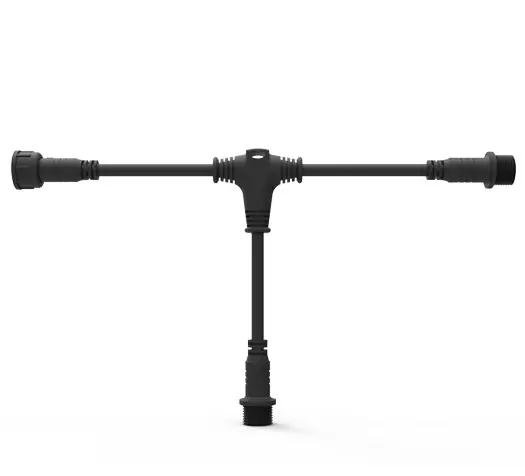
Choosing a Solution — three practical metrics
If you’re comparing products or plans, evaluate them on these three measures. First, control granularity: can the system tune spectrum and photoperiod in small steps? Second, data feedback: does it offer real sensors or only manual settings (we want real-time behaviour feeds, not guesswork)? Third, lifecycle cost: factor in energy, maintenance, and expected bulb lifetime, not just purchase price. Those metrics capture both biological fit and economic sense. I’ve used them across dozens of setups; they cut through marketing claims and keep decisions focused on outcomes. And remember — small experiments give big insight. — funny how that works, right?
For practical components and tested fixtures, I often point producers to real suppliers while keeping recommendations neutral. If you want a starting place to browse hardware and controls, check resources from brands that specialise in poultry lighting. For more hands-on guidance, I’ve worked with solutions that balance LED arrays, dimming drivers, and control systems for measurable results. For ready reference and product options, consider visiting szAMB.