
Introduction: The Leak You Don’t See Until It’s Too Late
Why do standard tubes fail in real use?
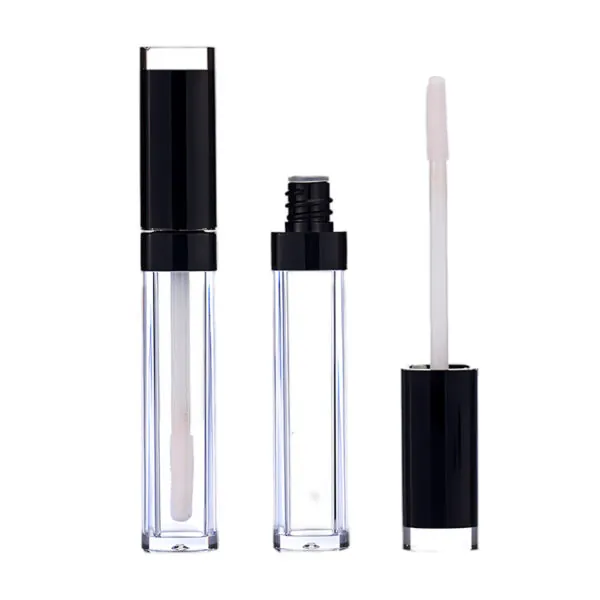
Define the core fit: product, wiper, rod, neck finish, and cap torque. A lip gloss tube manufacturer lives or dies by how that stack holds under real heat and motion. Many brands search for a reliable lip gloss tubes supplier only after a surprise: tubes that looked great in photos but bled at 40°C, or caps that loosened in transit. In one mid-season launch, 4.2% of units came back due to micro-leaks (tiny, but brutal). Another team saw shade shifts when oxygen crept past a loose wiper fit. The question is simple: what broke—spec or system?
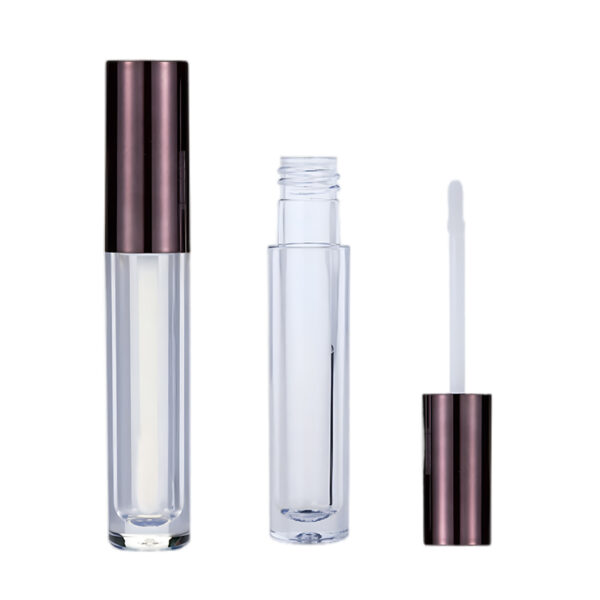
Look, it’s simpler than you think, yet not easy. Traditional sampling hides weak points. Short tests miss viscosity drift. Low-fill trials mask headspace issues. And “pass” on a shaker test does not mean “pass” in a hot van. Hidden pain points pile up: inconsistent injection molding shrink, wiper lips out of spec, PETG vs. LDPE mismatch, and cap torque that relaxes after 24 hours—funny how that works, right? Add MOQ pressure and color migration from certain inks, and you have a quiet storm. The deeper fix is to compare suppliers on how they validate the full stack, not just the shell. That’s our path forward—moving from pretty samples to robust systems.
Next-Gen Choices: What to Compare Before You Commit
What’s Next
Now shift the lens to what’s changing. New lines bring inline vision systems, SPC with Cpk targets, and better wiper gating that controls flash. Some add plasma surface treatment for improved barrier, or co-extrusion with EVOH for oxygen control. A seasoned china lip gloss empty tubes manufacturer may also run torque retention checks at T+24h and T+72h, not just right off the tool. This matters. It shows how the cap, rod, and wiper breathe under time, heat, and vibration. It also reveals whether a “tight” feel is from material stiffness or actual dimensional tolerance. Different story, different outcome.
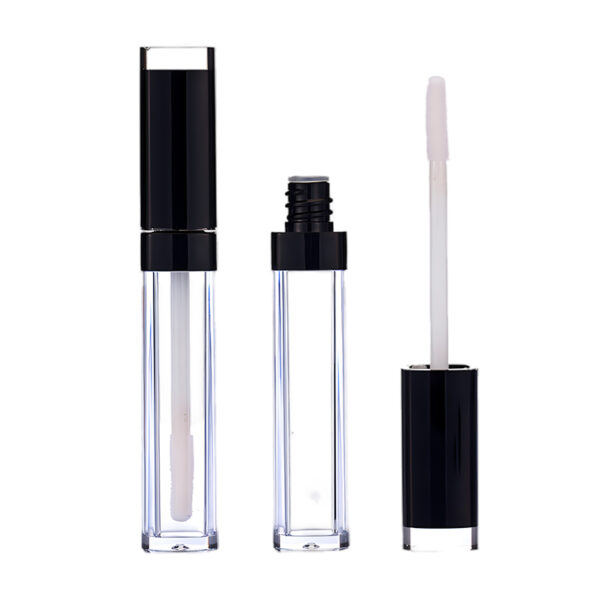
Comparative insight comes from principles, not promises. Ask how they validate fill-level variance (gravimetric checks), how they simulate logistics (ISTAmethods, not guesswork), and how they adjust tooling when viscosity curves change between batches. Semi-formal, yes; practical, always. You want visible gauges: injection molding stability, wiper durometer, rod straightness, cap torque decay. And you want proof that colorants and UV-cured inks won’t migrate into the formula under UV and heat—yes, really. The best suppliers show test ladders, not only pretty mockups. They map risk to controls, then to data. That is how you avoid leak paths and shade drift without stalling a launch.
To wrap with clear guidance, use three evaluation metrics when choosing a solution: 1) Functional validation depth: do they test wiper fit, torque retention, and thermal cycling over time, with documented Cpk? 2) Material-process match: can they justify PETG, ABS, or PP choices against your formula’s solvent load and intended applicator geometry? 3) Statistical transparency: will they share sample size, control charts, and failure modes (not just pass/fail)? These checks make comparisons fair—and faster. Keep the focus on system fitness over showroom shine, and the right partner will stand out, quietly yet clearly. For deeper technical context and steady practice, see NAVI Packaging.