
Introduction — a clear claim, a snapshot, and a sharp question
I’ll say it plainly: not all red light therapy providers are built the same, and that difference costs time, money, and results. As a red light therapy company vet, I see patterns in device specs (wavelength charts, irradiance numbers) and user outcomes—30% of clinics report inconsistent recovery curves in their first year. That data point is small but telling: many teams deploy LED arrays without proper wavelength tuning, or they skimp on power converters and thermal design. So what exactly separates a reliable device from a marketing-led product that underdelivers? I want to walk you through the technical fault lines and the real user frustrations that rarely make it into glossy brochures. We’ll use clear terms—photobiomodulation, irradiance, fluence—so you know what to look for. — And yes, I’ll call out what feels like industry spin when I see it. Let’s move from assertion to evidence and mapping; next, I’ll dig into a common installation: the infrared bed and why it often misses the mark.
Part 2 — Where the infrared bed often fails: technical flaws and user pain points
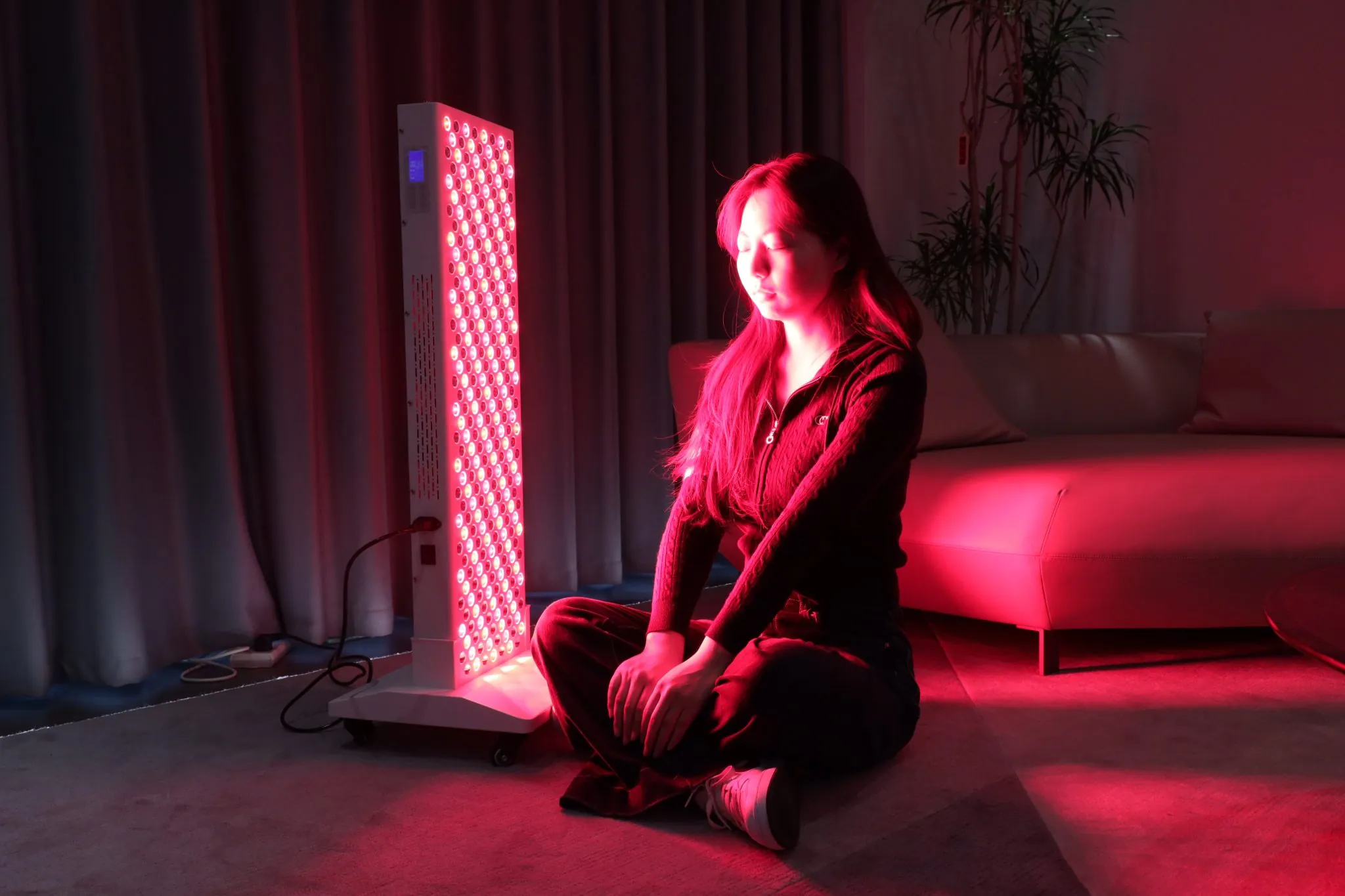
infrared bed installations promise whole-body photobiomodulation, but I’ve watched projects stumble on basic engineering choices. Many units rely on cheap LED arrays with uneven spacing; that creates hot and cold pockets of irradiance across the surface. Add poor heat sinks and inadequate power converters, and the result is thermal throttling—devices can’t sustain output, so users see lower fluence than advertised. That causes inconsistent therapeutic effects and frustrated clinicians. Look, it’s simpler than you think: if the device can’t hold wavelength stability under load, the session’s physics changes mid-treatment.
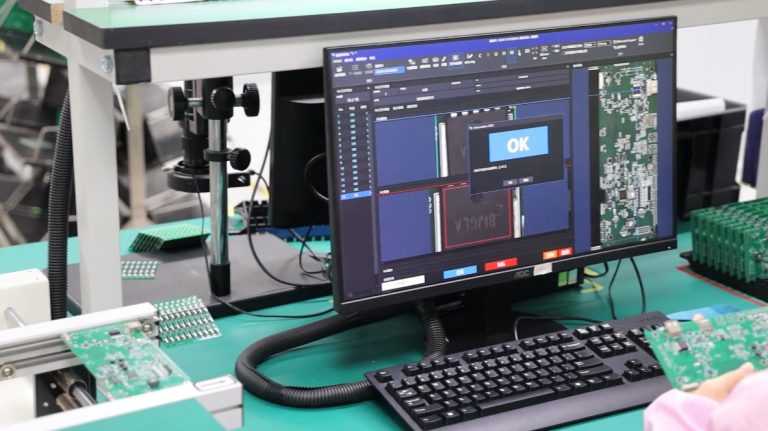
From the user side, hidden pain points matter more than spec sheets. Patients often complain about session variability—today’s relief, tomorrow’s meh. Clinicians tell me they struggle with calibration: measuring irradiance with handheld meters is fiddly, and procedures lack standardization. I’ve heard clinics say they spend hours tuning placement and still get uneven results. The upshot? Traditional infrared bed deployments sometimes treat the symptom—short bursts of heat—rather than delivering controlled photonic dose that aligns with published protocols. For anyone specifying a system, check for consistent wavelength control, robust thermal management, and modular LED arrays; these are the specs that turn marketing into measurable outcomes.
Why do engineers and users keep running into the same traps?
Part 3 — New principles and practical steps forward
Looking ahead, I favor principles that prioritize measurable dose and modular reliability. For example, better designs use distributed LED arrays with per-zone current regulation so each area maintains consistent irradiance—this minimizes hotspots and matches therapeutic fluence across the body. Integrating real-time sensors (thermocouples, photodiodes) lets firmware adjust power converters on the fly, preserving wavelength stability under load. These aren’t pie-in-the-sky ideas; they’re engineering trade-offs that push cost toward value. I’m describing core tech shifts: closed-loop control, smarter heat sinks, and clearer user interfaces so clinicians don’t need an oscilloscope to run a session. — funny how that works, right?
Practically, I advise teams to demand three things when evaluating systems: validated irradiance maps, reproducible wavelength specs across operating temperatures, and modular serviceability (replaceable LED zones, swappable power modules). When you inspect an infrared bed, ask for test logs and thermal images. Compare vendors on how they handle edge cases—extended sessions, high ambient heat, and power fluctuations. I believe these checkpoints separate devices that help patients consistently from those that offer one-off wins. To wrap up: choose systems that measure what matters, design for long-term stability, and demand transparency. I’ve seen the difference this makes in clinical follow-through and patient trust.
Conclusion — measured takeaways and how I judge a good solution
In short, I want you to leave with practical metrics rather than slogans. Evaluate devices on three measurable axes: irradiance uniformity, wavelength stability under load, and thermal management (real-world test data, not marketing graphs). If a supplier can’t provide third-party irradiance mapping or clear power-conversion specs, walk away. I’ve sat in clinics where small fixes—better heat sinks, smarter current drivers—improved outcomes dramatically. These are not miracles; they’re engineering applied with discipline. So when you’re choosing equipment or advising a purchase, look for transparency and proof. We owe patients reliable tools. For those exploring credible partners, consider what I’ve outlined and then validate with hands-on tests. For further partnership and product details, check out Magique Power.