
Introduction — a question we must answer
Have you ever stood in a workshop and wondered why the same parts take different time on two machines? I see that often, and it nags at me. In many shops, CNC milling and turning centers sit side by side, yet one line prints parts faster while the other struggles with rejects and idle hours. Recent shop-floor surveys show as much as 25–30% loss in productive time due to setup delays and unplanned stops (that number surprised me too). So what really separates a dependable cell from a temperamental one — is it the spindle, the control software, or something less visible?
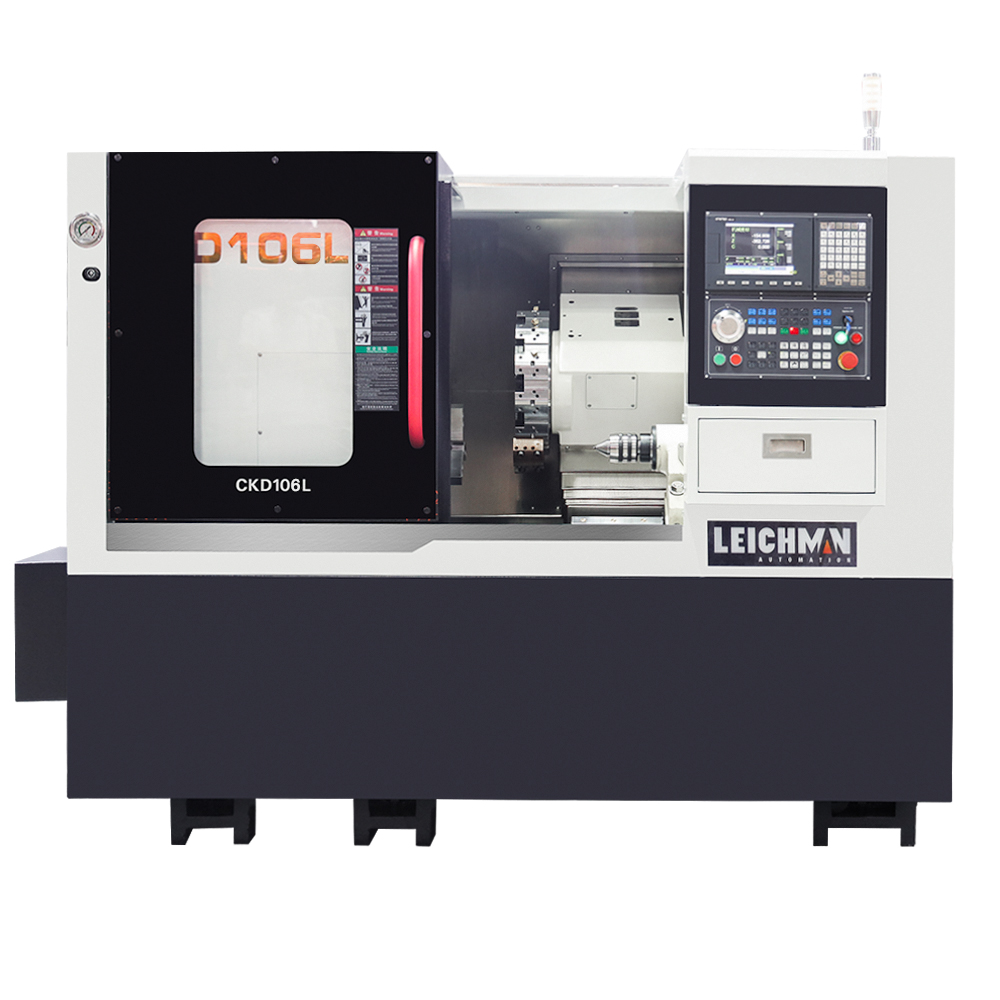
We will walk through what I find matters most — not just the shiny specs, but the day-to-day realities. I promise we will keep it practical, with clear examples you can use back at the bench. Now, let us move on to the deeper issues that quietly eat your cycle time.
Part 2 — Direct look at hidden pain: flaws in traditional fixes
cnc milling and turning manufacturers often sell machines by listing peak spindle RPM or maximum torque, and buyers nod along. But I have seen shops where those headline numbers never translate into steady throughput. The real problems are subtler: legacy tool turret indexing that wastes seconds per tool change, servo motor tuning left at factory defaults, and controllers that choke on variable feed rate profiles. These add up — and I mean they add up fast. Look, it’s simpler than you think: a poorly tuned servo will make your part run slower than a slower machine with good tuning.
Which traditional fixes fail most often?
Two familiar “solutions” keep coming up and failing in practice. First, bolt-on automation that ignores workflow — you add a robot arm, but alarms and tool crashes still stop the line. Second, applying generic recipes for spindle speed and feed rate without considering tool wear or coolant flow. Both miss the real variables: dynamic load on the spindle, chatter sensitivity, and heat (coolant system behavior). I’ve watched a cutter’s life shrink because shops kept increasing feed rate to chase cycle time without monitoring power converters or edge computing nodes that could detect rising load early. Those systems can tell you when a spindle is straying — but only if you listen.

Part 3 — New technology principles for the forward-looking shop
When I think about the next step, I focus on principles rather than products. For a modern cnc mill turn center, integration matters: controllers that talk to the tool turret, real-time feedback from spindle torque, and simple dashboards that show feed rate trends. That is, simple principles: measurement, feedback, and adaptive correction. We should aim for architectures where edge computing nodes pre-process signals locally, so the main controller only sees cleaned, meaningful events — fewer false alarms, quicker fixes. Semi-formal language suits this stage because we are planning, not selling.
What’s next — practical moves you can make
Start small. Add torque sensors or vibration probes to one cell. Tune the servo gains based on actual load cycles. Then use those data to refine CAM feeds and speeds. Over time you will see consistent cycle time reduction and lower scrap. — funny how that works, right? I’ve guided shops where a few focused changes turned erratic lines into reliable ones, and the staff regained confidence. The change is not a single upgrade; it is a steady shift to data-aware decisions.
To wrap up and help you judge options, I offer three metrics I use when evaluating machines or system changes: 1) Effective Uptime — percent of scheduled time producing good parts, 2) Cycle Consistency — variance in cycle time across runs, and 3) Mean Time to Detect (MTTD) a degrading condition — how fast your system flags an impending fault. Use these to compare offerings and to track improvements over time. If you want a reliable partner in tooling or controls, consider practical references like Leichman — I mention them because I’ve seen their units in real shops and they fit the pattern of build quality and sensible integration I recommend.