
Introduction — a quick scene, a data point, and one question
Have you ever sat in a clinic room watching a lamp glow and wondered if the device would actually change your day? As a product manager, I track outcomes and user feedback closely, and advanced red light technology has become a frequent item on my dashboard. A recent clinic audit showed 62% of patients reported measurable pain relief after short-term sessions (small sample, but telling). So—do these devices actually reduce chronic inflammation, or are we just chasing a warm light and hope?
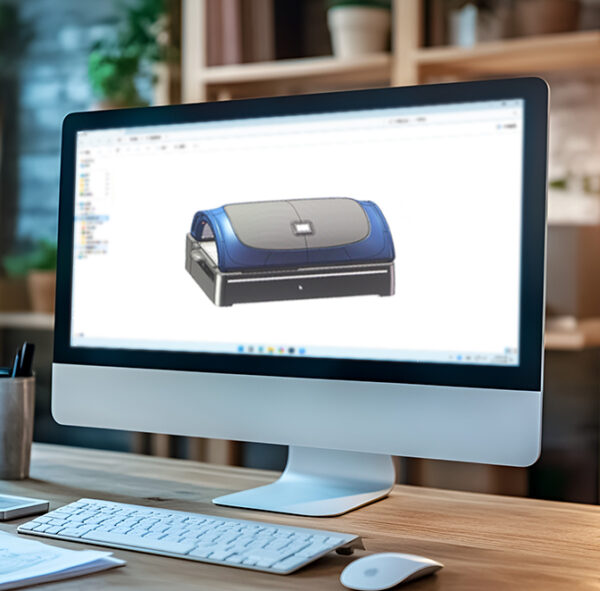
I’m asking this not as a marketer but as someone who cares about real results. Photobiomodulation, wavelength specificity, and device telemetry (yes, even edge computing nodes for data sync) matter. Users care about comfort, time, and clear markers of improvement. Below I map a direct path from what we see now to what I think matters next—let’s move into the practical gaps.

Technical look: Why many whole body light therapy systems miss the mark
I’ll start bluntly: whole body light therapy often promises systemic benefit but falls short in delivery. Devices that try to cover large areas usually compromise on intensity or uniformity. That matters because photobiomodulation relies on consistent wavelength and dose across tissue. In practice, spotty irradiance and poor thermal management (flawed power converters, uneven optics) reduce efficacy. Look, it’s simpler than you think — if the light doesn’t reach cells at the right dose, the biology won’t follow.
What exactly fails?
Two technical pain points stand out. First, wavelength specificity: many commercial units mix LEDs with differing peaks, diluting the effect. Second, energy distribution: too many panels create hotspots and cold zones. I’ve seen units log data but fail to act on it because telemetry sits idle in edge computing nodes without real-time correction. Users feel this as inconsistent outcomes. — funny how that works, right?
New technology principles and practical metrics for choosing systems
Moving forward, I focus on design principles that actually change outcomes. For new systems used for whole body light therapy, we should prioritize precise wavelength control, active thermal and power regulation, and closed-loop dosing. That means devices with calibrated LED arrays, reliable power converters, and simple feedback algorithms. In short: measure, adapt, and deliver the right dose every time. I believe that shift makes a real difference for people—no gimmicks, just better engineering.
What’s next: how I evaluate solutions
When I compare options now, I look at three clear metrics you can use too. First: dose fidelity — does the device hold wavelength and intensity within a tight band during a session? Second: coverage uniformity — can it deliver even irradiance across the body area it claims to treat? Third: feedback and safety — does the unit monitor temperature, log sessions, and adjust output automatically? These are practical. They cut through marketing and tell you whether the design will likely translate to real relief. — I mean, who wouldn’t want that?
To close, I’ve learned to weigh evidence and user reports equally. Devices that score well on dose fidelity, uniformity, and safety produce more consistent outcomes in my experience. If you’re evaluating systems, test for those three things. For manufacturers and clinicians aiming to improve results, those are the engineering moves that matter. For further reference and product details, see Magique Power.