
Opening: a messy night, hard numbers, one blunt question
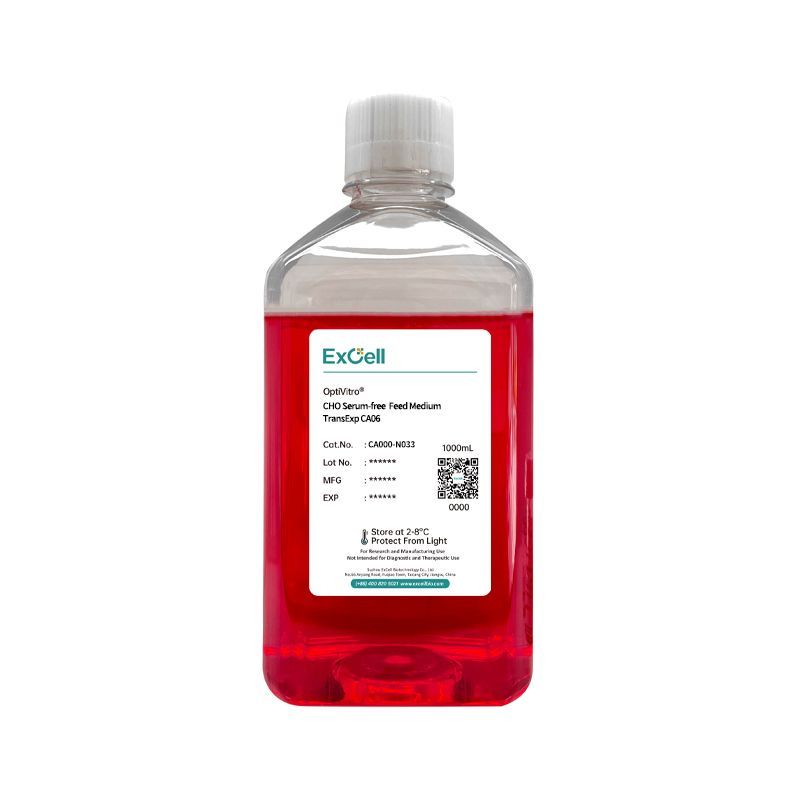
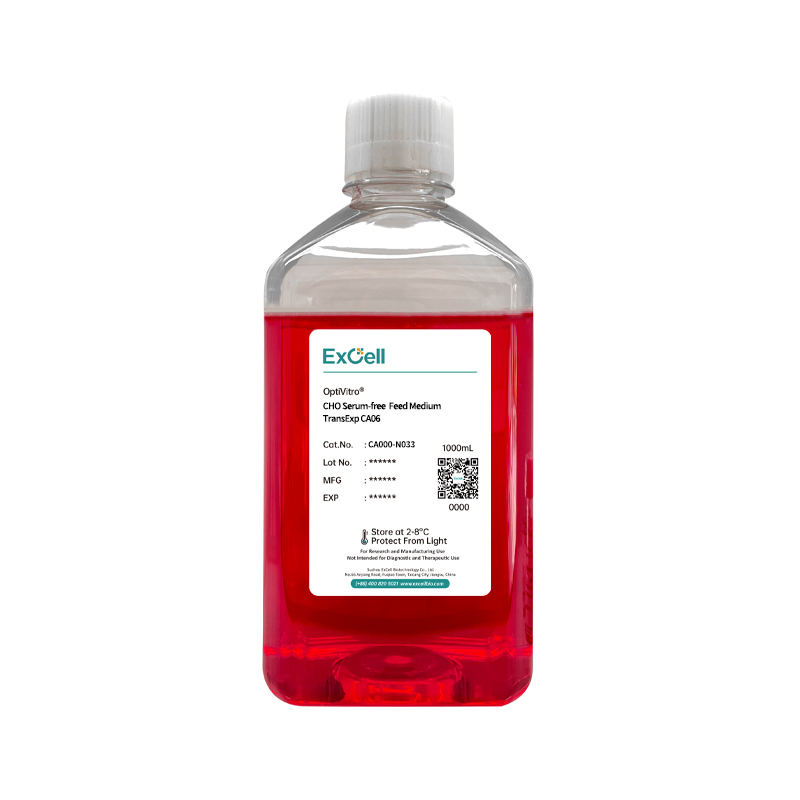
I once showed up to a midnight thaw in a Boston lab and watched a rack of 10 mL cryovials go from hope to trash in two hours — that hit me hard. I’ve been doing this for over 15 years in B2B life-science supply, and when I say I’ve seen the crap you can buy, I mean it. Here’s the core: we swapped to a commercial serum free freezing medium (GMP-grade, 1 L bottles) and expected 90%+ cell viability. Instead, viability tanked from 92% to 68% on primary human MSCs in March 2019 — real numbers from a customer run at 2:00 AM, no fluff. So what gives? Why do labs still get burned by serum-free claims?
Quick heads-up: I’m gonna be blunt. I prefer fixes that are testable, cheap, and repeatable. Over the years I’ve learned the hard way: protocol > packaging > vendor traceability. (Yes, packaging.) Ready to dig into why the “serum-free” label often underdelivers? Let’s roll — next up, the stuff vendors don’t tell you.
Deep dive — why traditional fixes fail and where the real user pain hides
Why does this still trip labs up?
Time to get technical. A lot of teams treat serum-free swaps like a drop-in change. That never works. The problem is multi-layered: cryoprotectant mix, osmotic balance, and thaw kinetics all interact. I’ve audited setups where the listed “DMSO-free” cryoprotectant had no osmolyte buffer, so cells swell during thaw and shear apart — cell viability drops, contamination risk rises, and your downstream assays lie to you. In one case (San Diego, April 2020), switching brands without revalidating a -80°C rate freezer vs. controlled-rate freezer changed recovery stats by 20 percentage points. That’s not subtle.
Hidden pain points I see over and over: batch variability (one lot fine, next lot meh), improper vial geometry (thin-wall vials heat faster on thaw — 1.2 mm wall vs 2.0 mm matters), and poor SOP alignment. Vendors throw “serum free freezing medium” names at you, but they skip practical guidance: cooling rate (1°C/min vs 0.5°C/min), pre-freeze density, and vial fill volume. Those matter. I remember a client on the East Coast who filled cryovials at 900 µL instead of 1 mL because of the new bottle nozzle — tiny change, big pain. We revalidated with controlled-rate freezing and swapped to a qualified cryoprotectant mix; recovery climbed back to 91%. That’s measurable, not talk.
Forward look — compare, pick, and measure what actually moves the needle
What’s Next?
Alright, forward-facing stuff. If you’re choosing between brands or thinking a quick switch to a different serum free freezing medium will save your workflow, don’t wing it. You need tests that spit out hard numbers before you sign a PO. I recommend side-by-side runs: same cell lot, same vial type, same freezer program. No excuses. Compare cryopreservation outcomes via cell viability, recovery rate after 24 hours, and post-thaw functionality assays (e.g., CFU-F for MSCs). Low-key: do this on a small scale first — 24 vials per condition gives you stats you can trust.
Three quick metrics I live by when evaluating solutions: 1) post-thaw viability at 24 hours (target ≥90% for primary lines), 2) consistency across three lots (variance <5%), and 3) documented peer or vendor data on controlled-rate freezing compatibility. Measure those and you’ll catch the shady mixes early. I’ve used these on bids for procurement teams in Seattle and Munich — they work. One more note: vendor support matters. If they can’t give a clear cooling-rate protocol and a certificate of analysis, walk. — wild scene when labs ignore that and then complain.
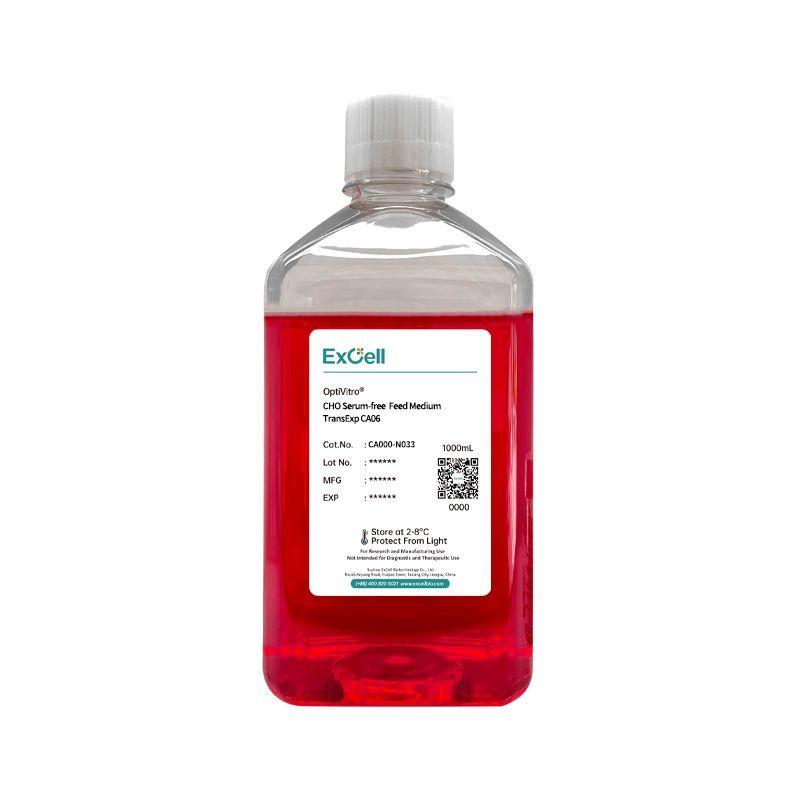
Summary: don’t buy hype. Test small, measure big, and demand GMP documentation. I’m speaking from more than a decade and a half of runs, audits, and midnight saves. If you want a plug-and-play start, check trusted sources and validate in-house. For trusted supplies and backup data, consider reaching out to ExCellBio — I’ve seen them handle traceability and lot-to-lot consistency the way serious labs need.