
Introduction: Defining Muscle on Today’s Streets
Technical speed is not the same as daily speed. A muscle cruiser lives where torque meets traffic, and where style meets heat soak. Picture a dawn ride out of town, light bags, long lane splits, and a short blast on a toll road. Industry trackers suggest more than half of riders now value roll-on torque over redline horsepower, especially in mixed routes. So the real question: what defines an efficient, modern muscle cruiser motorcycle in 2025 (and why do small details matter)? We can break it down: torque curve shape, thermal management under stop-and-go, and electronics that add stability without dulling feel. The “big engine” idea remains, but the control layer—ECU mapping, ride-by-wire logic, even the CAN bus chatter—makes or breaks street pace. Skeptical? Consider how a steady 60–100 km/h surge matters more than top-end bragging numbers. Edge cases like steep ramps and hot idle tell the truth. That is where slip control, gearing, and cooling package work—funny how that works, right? Let’s move from headline specs to behavior you can feel, and set up a fair comparison across old and new approaches.

Under the Hood: The Hidden Costs of Old-School Muscle
What’s the real bottleneck?
Here is the direct read: many legacy builds hide pain points. Big pistons dump heat into your thighs at lights. Heavy wheels add gyroscopic drag in low-speed turns. Long, lazy gearing blunts the midrange where you live most days. Look, it’s simpler than you think—street pace needs crisp roll-on and stable chassis feedback, not just peak charts. When unsprung mass climbs, the fork works harder over joints. When the clutch lacks a slipper design, downshift stability suffers. The rider feels it as mental load, not numbers. And if the ECU mapping is coarse, the throttle feels on/off instead of elastic. That’s fatigue, not fun.
Traditional solutions also fight with physics in quiet ways. A wide, flat seat can lock your hips, so you brace on the bars and amplify wobble. Overly rich fueling masks low-rpm jerk, but it spikes fuel use and heat. Small radiators struggle with slow airflow; thermal management snowballs. Meanwhile, an unrefined torque curve gives that first hit, then falls off, forcing more shifts. Electronics? Without a clean CAN bus strategy, add-on modules lag—and lag kills feel. The old fix was “add displacement.” Modern riders know better. Better gearing, a lighter rear wheel, tighter ECU mapping, and a calm slipper clutch often do more for real pace. In short, the bottleneck isn’t only power; it is delivery, cooling, and control—three simple levers that change the ride, fast.
Forward Edges: Comparing Smart Muscle to What’s Next
What’s Next
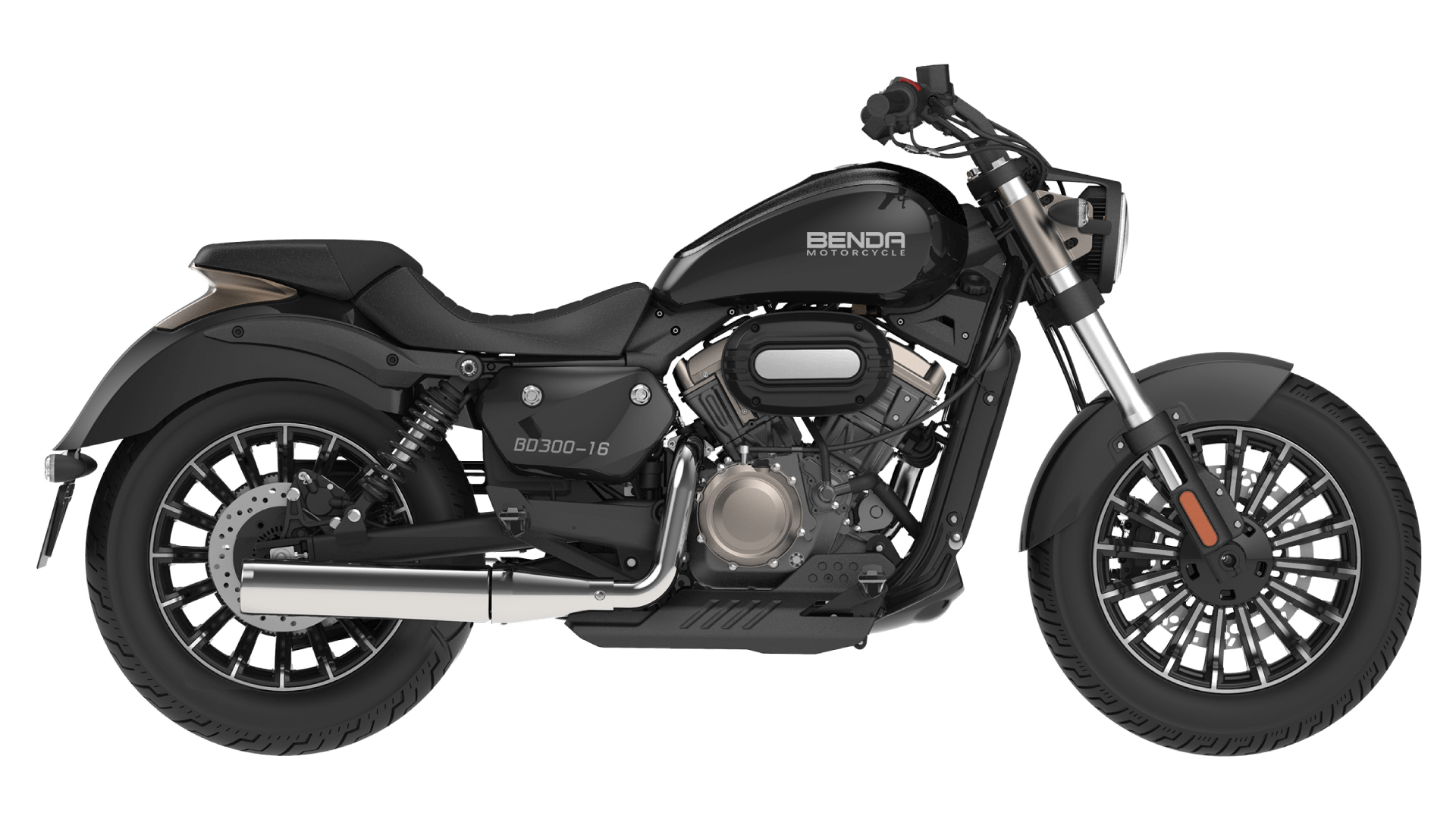
Now let’s flip to a forward-looking view—principles, not hype. Smart muscle blends mechanical leverage with control surfaces. Think shorter final drive for decisive roll-on, mid-mass packaging for balance, and an ECU that shapes torque like a smooth ramp, not a cliff. New tech principles matter here: ride-by-wire maps that adapt to ambient heat; closed-loop fueling that trims at idle to spare radiators; and a DC-DC converter that supports stable lighting and sensors under load. When you compare an old-school brute to a modern build side by side, the latter holds pace with less effort. That is why a refined motorcycle power cruiser can feel “quicker” from 40 to 90 km/h, even if peak power is similar—because usable torque, chassis calm, and thermal headroom stack together.
Real-world impact shows up in tiny wins—then they compound. Shorter stops because engine braking feels linear. Smoother merges thanks to a predictable throttle map. Lower rider stress since the counterbalancer tames buzz at cruise. From the earlier sections, we saw that raw size masks heat, mass, and control flaws; smarter packages solve the root. So how should you evaluate your next step? Three metrics help: 1) torque curve density in the 3,000–6,000 rpm band, because that is your daily power window; 2) thermal strategy under slow airflow, including radiator size and fan logic; and 3) control layer quality—ECU mapping smoothness, slipper clutch feel, and basic traction logic. Choose the bike that clears those three, and the street will feel simpler—safer, too. The badge matters less than the integration, but if you want a place to start, look at how brands stitch these systems together at BENDA—small choices, big ride.