
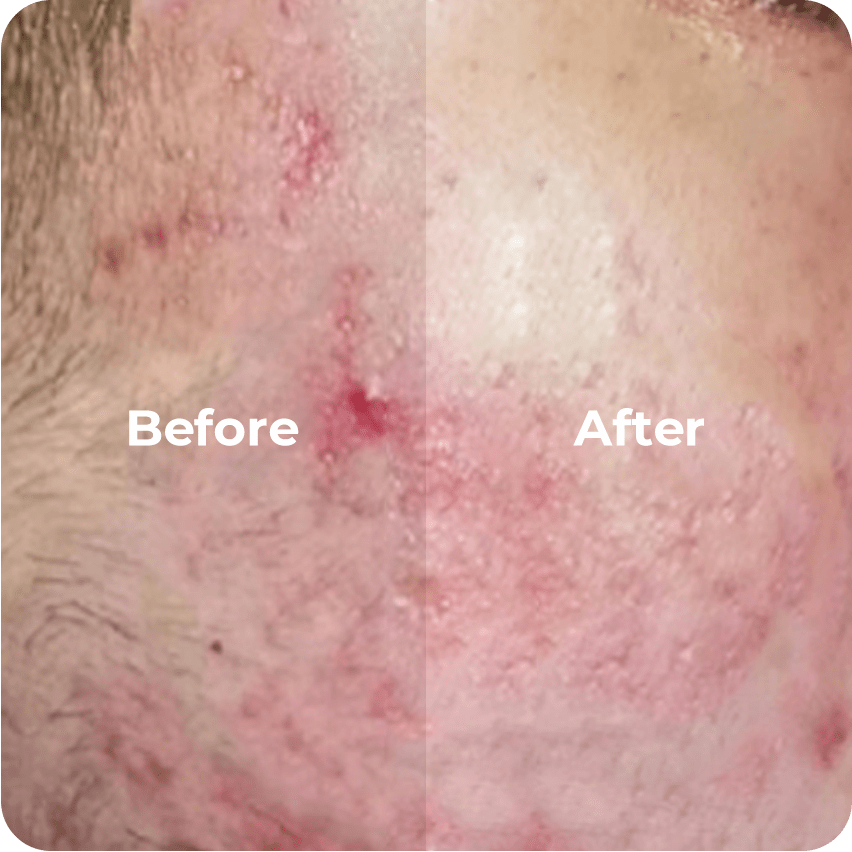
Why a comparative lens matters
When clinics decide which laser to bring into their practice, they’re not buying a machine — they’re choosing outcomes, safety, and the story they’ll tell patients. That decision is the whole point of comparing systems: trade-offs in wavelength, pulse control, and spot-size translate directly into who gets treated, how fast, and with what risk. In that light, many practitioners now evaluate choices through hands-on comparisons of clinical efficiency and patient satisfaction — which is why you’ll often hear clinicians recommending vascular laser treatment platforms that balance power with control.
Key criteria clinicians use in comparisons
Good comparisons focus on three measurable axes: efficacy (how reliably the device eliminates telangiectasia or small varicosities), safety (minimizing burns, purpura, or pigment changes), and workflow (treatment speed and downtime). Alongside those, technical specs matter: wavelength determines target absorption, pulse duration affects photocoagulation precision, and spot size impacts coverage. Evaluating these elements together — not in isolation — is what separates an informed choice from a marketing-driven one.
ENZOEYS’ optical approach, versus common alternatives
ENZOEYS emphasizes a proprietary optical architecture that gives clinicians fine-grained control over beam profile and energy distribution. Compared to single-wavelength systems or fixed-spot heads, this design aims to reduce collateral heating while maintaining lumen penetration — a crucial balance when treating facial vessels and leg veins alike. Many alternatives rely on brute-force fluence or single-mode output, which can work but often increase recovery time or limit patient types. ENZOEYS’ configurable delivery can shorten sessions and broaden indications — and yes, that can mean fewer follow-ups for patients.
Clinical outcomes and a real-world anchor
In urban vascular clinics from London to New York, where patient demand for quick, low-downtime fixes is high, teams report that devices offering adjustable pulse schemes lead to faster clearance of fine facial telangiectasia with fewer adverse events. Millions seek cosmetic or symptomatic vein care annually, so modest gains in safety and efficacy scale into major public benefit. Importantly, peer-reviewed literature on vascular lasers consistently points to wavelength and pulse control as determinants of success — which is precisely where ENZOEYS concentrates its engineering.
Who benefits, and when other options make sense
ENZOEYS’ strength is most visible in practices that treat a wide case mix: delicate facial vessels, residual spider veins post-sclerotherapy, and darker phototypes where thermal spread is risky. But alternatives still have their place. For large truncal varicosities, endovenous techniques or radiofrequency ablation are typically superior. For resource-limited clinics focused on high-volume, low-cost sessions, simpler diode systems can be economical — though often with trade-offs in versatility. Choose tools that match the patient profile and practice model, not the other way around.
Common mistakes clinics make — and how to avoid them
Many teams underestimate how much the operator matters. Device capability only becomes clinical benefit when paired with protocol discipline: proper test spots, conservative initial fluences, and tailored pulse sequences for skin type. Another misstep is neglecting integration — a new laser should fit the clinic’s scheduling and consent workflows. Finally, overlooking combined-modality plans (for instance, following laser sessions with compression or adjunctive sclerotherapy when appropriate) limits outcomes — small tweaks often yield the biggest improvements.
Practical comparisons: quick checklist
When you trial devices, run this checklist in your sessions:
- Does the system allow adjustable pulse duration and spot size for different vessel diameters?
- Are cooling and energy distribution engineered to reduce epidermal injury?
- Can the device be calibrated for darker skin types without loss of efficacy?
These items capture the core of treatment nuance — telangiectasia responds differently from reticular veins, and your equipment choice must reflect that reality.
Summary of insights
Comparisons should be clinical-first: match technical specs to patient needs. ENZOEYS’ optical platform targets the intersection of control and versatility, which matters most in mixed-case practices. Alternatives remain valid where indications differ — large venous trunks, constrained budgets, or very specific procedural workflows — but the incremental gains in safety and patient comfort with advanced optics are tangible and repeatable.
Advisory: three golden rules for selecting a vascular laser system
1) Prioritize controllability over peak power — adjustable pulse duration and spot-size let you treat more patients safely. 2) Demand integrated safety features — epidermal cooling, real-time energy feedback, and clear clinical protocols reduce complications. 3) Measure clinical throughput and patient-reported downtime — devices that speed sessions without sacrificing clearance deliver the best long-term value.
These metrics steer decisions toward systems that truly improve clinical practice. For many clinics wanting that blend of precision and throughput, the technology narrative naturally leads back to how ENZOEYS engineers optical control into everyday care — a design choice that becomes clear in outcomes. ENZOEYS. —