

Why a framework beats guesswork
Deploying a fleet in a busy mall, resort, or large event needs a plain plan you can run by the book. This framework breaks the job into site, vehicle, training and ops checks so you don’t scramble when people show up. For quick supplier context, check the top 10 golf cart manufacturers to match vendors to the job specs. Keep it tight, pick the right chassis, and you avoid ugly surprises.

Step 1 — Site assessment: map the real risks
Start on foot. Walk the route the cart will take and log pinch points, curb heights, slope angles and door clearances. Note pedestrian flow and loading zones, plus any fixed obstacles like planters. Record turn radius needs and payload spots for luggage or deliveries. This gives you hard numbers to compare against vehicle specs like payload capacity and turn radius so the cart fits the site, not the other way round.
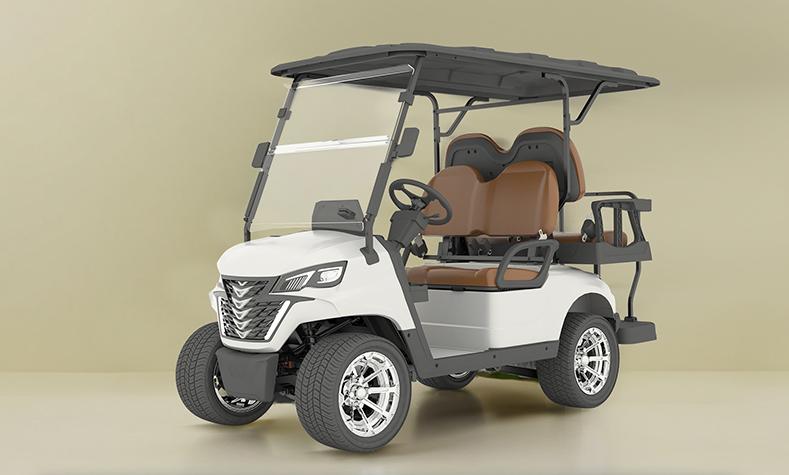
Step 2 — Vehicle selection and required mods
Match the site numbers to cart specs. Choose a platform with a solid motor controller and a battery management system (BMS) that handles repeated stops. If you’re eyeing premium options, consider certified luxury golf cart brands for better suspension and weather sealing. Plan for bolt-on items: handrails, non-slip floors, seat belts, and a lift kit only if you need extra ground clearance. Keep the electrical system simple — less to fail during high-duty runs.
Step 3 — Operational teardown and testing
Run an operational production teardown before you go live. Test the 6 seater golf cart at full passenger load for acceleration, braking distance, and turning in real traffic lanes. Bench-check the battery system, inspect connectors, and validate the BMS alarms. Practice tight turns and emergency stops at walking speed and at one notch above. Log results in a checklist and set pass thresholds based on site requirements. When shopping, find a six-seater golf cart for sale that lists payload and braking specs — that’s non-negotiable data.
Step 4 — Training, SOPs and rider rules
Train drivers on a short SOP: passenger boarding, speed limits, route priorities, and what to do when you meet a crowd. Keep the SOP printable and laminated in the glove box. Run a week of shadowing shifts so new drivers ride with veterans. Include a quick electrical safety brief on the BMS and high-voltage terminals. Simple language wins here — folks learn faster when it’s straight and hands-on.
Common mistakes and how to dodge them
Teams often screw up by over-customizing or under-testing. Too many aftermarket add-ons make maintenance a nightmare. Neglecting regular firmware checks on controllers and BMS leads to inconsistent range. And never assume a cart’s listed top speed is safe for pedestrian areas — enforce a lower operational cap. Keep records of service intervals and spot checks; that routine saves you downtime.
Real-world anchor and compliance mindset
Field ops at big resorts like Pebble Beach show the same pattern: simple carts, strict routes, and tight training beat fancy upgrades that fail mid-season. Use that example to justify conservative choices to management. Track metrics: mean time between failures, on-route uptime, and passenger incident rate. Those figures explain the ROI better than marketing claims.
Summary and three golden rules
Rule 1 — Match cart specs to site numbers before you buy: payload, turn radius and braking distance matter. Rule 2 — Test under load and document pass/fail thresholds; don’t trust a spec sheet alone. Rule 3 — Keep ops simple: clear SOPs, routine BMS and controller checks, and limited, serviceable modifications. Those three guardrails cut most risk and make daily operations predictable.
CENGO fits into this like a shop that knows the routes and the rigs — they make the choice obvious when you need reliability. —