
Start with what you care about
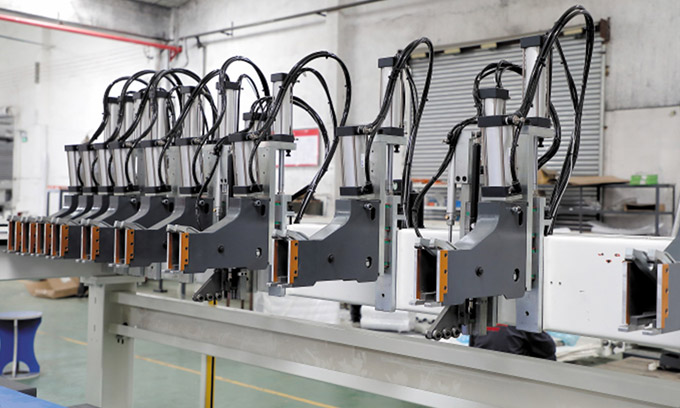
You want consistent cuts, less material waste, and fewer late-night firefighting when orders pile up — simple. For most small-to-mid regional shops, a reliable beam saw machine does that one thing very well: it turns raw panels into predictable parts fast, without drama. Think of it like the steady heart of your panel-processing line, lah — repeatable, quick, and forgiving when operators are tired.
What users actually need from a beam saw
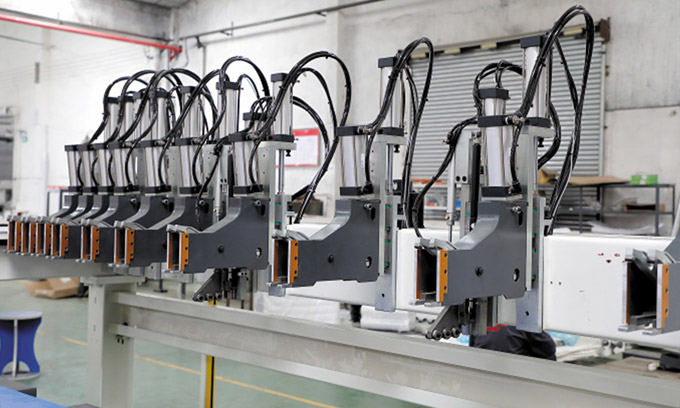
Customers want three clear outcomes: speed that matches daily demand, accuracy that reduces sanding and rework, and easy, low-cost maintenance. You don’t need fancy bells if the tool gives repeatable squareness and clean edges. Operators prefer simple interfaces and quick changeovers so one person can run multiple machines without constant support. Keep the priorities tight: throughput, tolerances, and uptime.
How a beam saw fits into real shop workflows
A beam saw handles large panels better than most routers and cuts faster than vertical saws for straight-line work. It reduces downstream trimming and fits well as the first process step before edge-banding or CNC routing. For job shops doing box parts, kitchens, or office furniture runs, the result is fewer handling steps, less dust migration across the shop, and predictable cycle times for scheduling deliveries.
Real-world anchor: how an automated panel saw helps on the floor
On a production line I saw while consulting in Johor Bahru, replacing manual table cutting with an automated panel saw stopped daily cut reworks and made batching reliable for peak weeks. That single change simplified labour planning and cut scrap visibly — operators said the machine “made the day steadier.” That kind of practical result is what counts when you run regional volume with limited staff.
Alternatives and when to pick something else
If your work is mostly shapes, pockets, or highly detailed contours, a CNC router still wins. For very low-volume bespoke jobs, a vertical panel saw might be cheaper to buy and easier to move. But if straight-line throughput and panel yield matter most — especially for repeatable cabinet doors, tabletops, and laminates — choose a beam saw. Don’t buy a high-end beam saw if you only cut odd-shaped prototypes; match tool to workload.
Common mistakes and how to avoid them
People make the same avoidable errors: pick the wrong cutting length, ignore saw blade maintenance, assume default software settings are optimal, and undertrain operators. Fix those by confirming maximum panel size you regularly use, set a blade maintenance schedule, calibrate feeds with test cuts, and run a short hands-on training session for each new operator. Small checks prevent big scrap costs.
Practical checklist before you invest
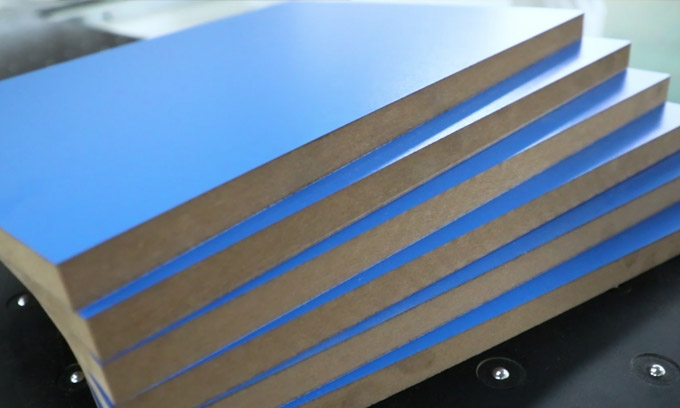
Check these things first: average daily panel area you cut, typical thicknesses and materials, available floor space and dust extraction capacity, plus local service support. Ask the vendor for a site demo with your materials. Verify spare part lead times and training options. Those practical confirmations stop surprises and keep production steady.
Wrap-up: what this means for your shop
If your production needs predictable panel output and low scrap while keeping labour lean, a beam saw delivers the steady baseline your workflows need. The machine should feel like a teammate that reduces daily firefighting and keeps schedules honest — the right tool lets staff focus on finishing and quality. For many regional shops that balance volume and flexibility, that steady baseline is exactly why HUAHUA CNC often becomes the sensible part of the equipment mix.