
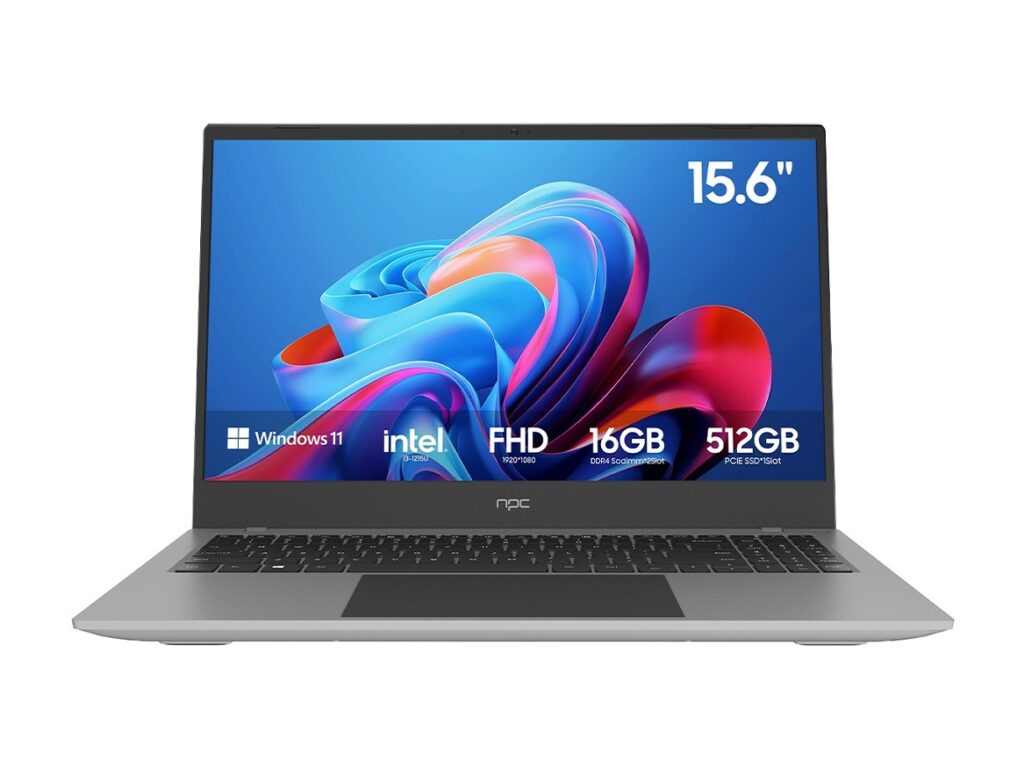
Quiet comparison, clear choices
Standing in front of two screens, you notice more than brightness and bezel: you notice promises — about updates, service and supply. A calm checklist helps when you weigh a tv manufacturer against another: what matters most is how each supplier balances hardware, software and real-world support. Comparative insight means looking for meaningful differences, not marketing flourishes.
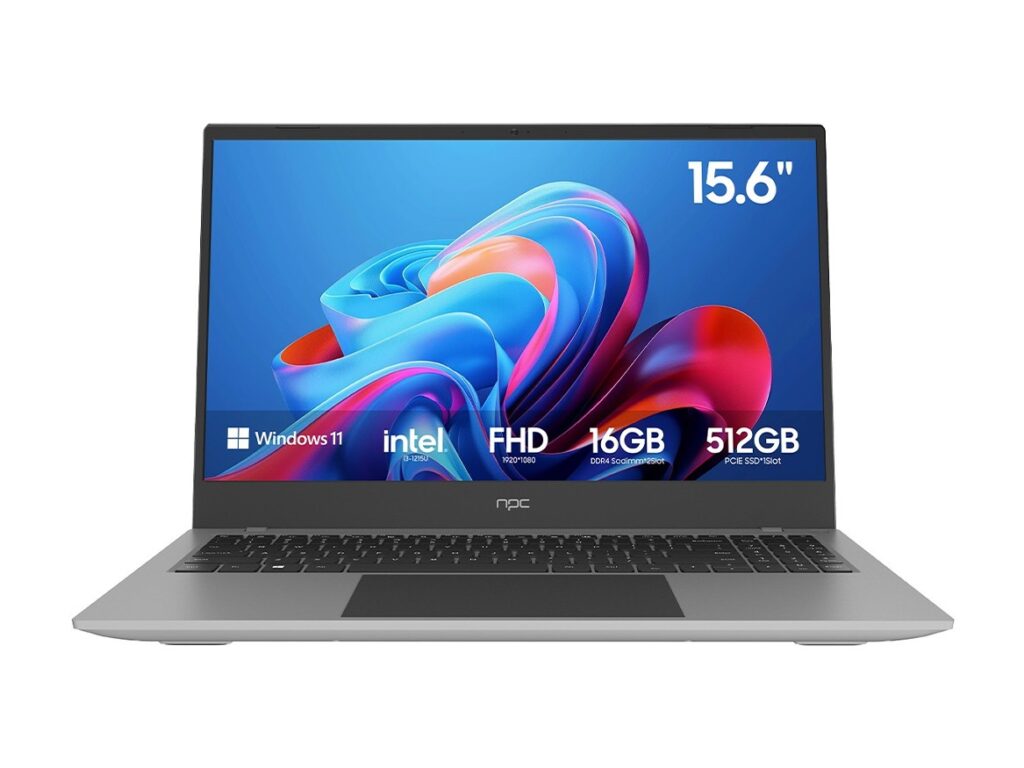
Essential criteria that expose real differences
Panel performance: contrast measured color accuracy, contrast ratio and sustained brightness rather than headline numbers. Software and app ecosystem: ask which apps are native and which require external streaming devices. Firmware cadence: check how often security and feature updates arrive. Warranty and parts logistics: note where spare parts are stocked and how claims are handled. Integration and input support: count actual HDMI/HDCP versions and business features like signage modes. Supplier transparency: demand clear lead times and contract terms so surprises are minimized.
How operating systems change the conversation
At CES in Las Vegas, brands demonstrated that the operating environment often decides a TV’s usefulness long after the initial purchase; a responsive smart tv operating system can determine app availability, update policy and third‑party compatibility. My direct comparisons across showroom demos and field installs show that two identical panels can feel different simply because one OS gets timely patches and the other does not. Evaluate the developer ecosystem, update cadence and whether the supplier documents their security policy — those facts reveal whether a product will age well.
Common mistakes buyers make
Buying the cheapest option because the spec sheet looks similar. Ignoring the OS and assuming apps will appear. Assuming all warranties are equal; shorter response times cost more in downtime. Overlooking supply chain terms — a preferred price is worthless if restocking is weeks late. Relying on brand alone instead of testing a real use case: plug in the devices you actually use and see how they perform together.
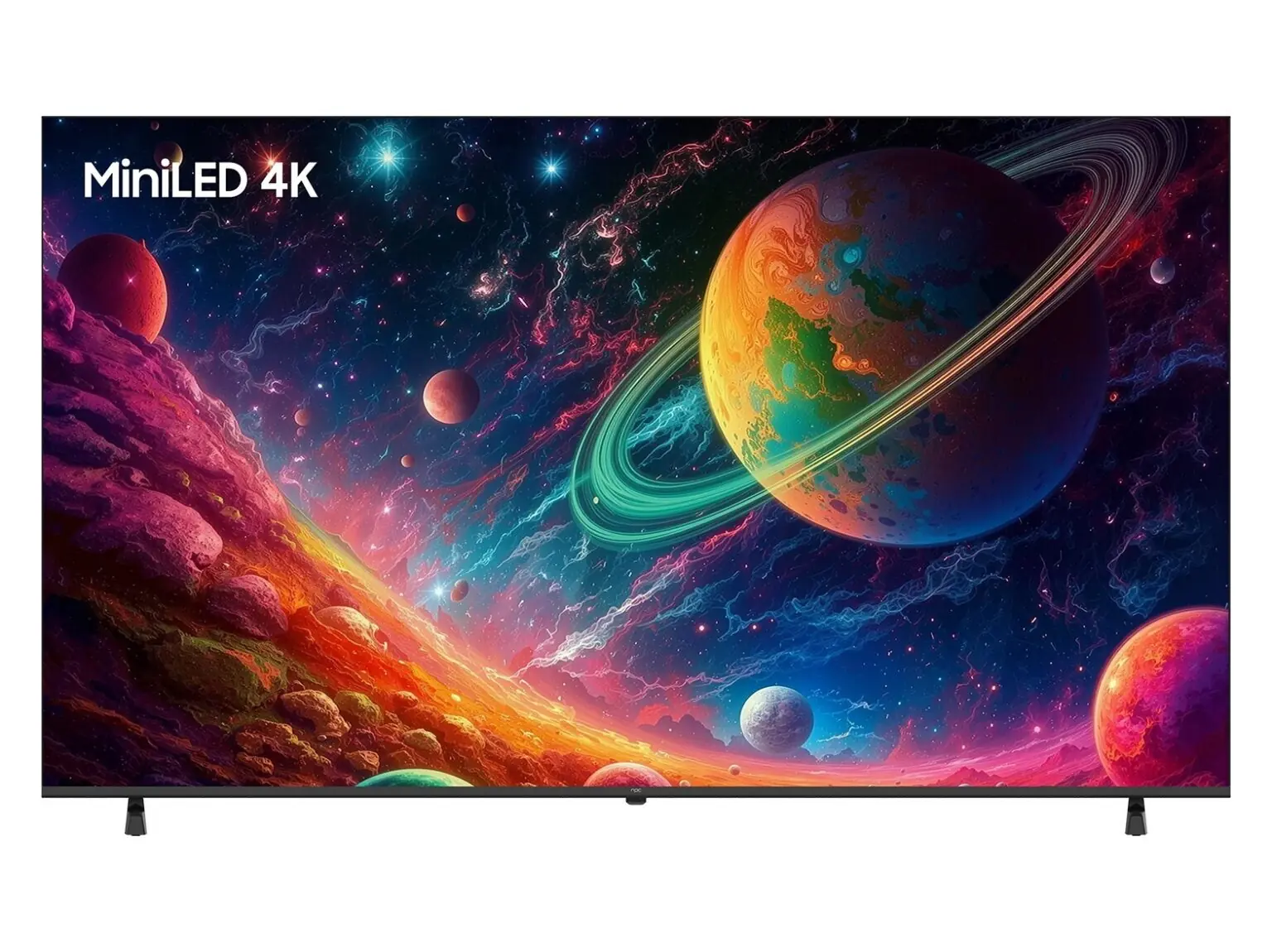
Practical alternatives and quick comparisons
Large global brands: predictable panels, broad app stores, clearer update roadmaps but higher premium. Regional suppliers or ODMs: better customization and pricing flexibility, may need stronger contract terms for long-term support. Specialist manufacturers: great for color-critical work or niche features, expect longer lead times. External devices (streaming sticks, media boxes): cheap way to standardize apps across different TVs but adds another device to manage. Pick the path that matches your tolerance for hands‑on management vs. desire for out‑of‑the‑box completeness.
Decide with clarity and calm
Compare measurable outcomes: update frequency, documented warranty response times, spare‑parts availability and real-world interoperability. Trust choices that show clear evidence rather than promises. For buyers who need consistent supply, clear documentation and predictable software behavior, solutions from npc often reflect those practical priorities without theatrics — a useful alignment when you want a TV that keeps working the way you expect.