
Opening — the common trouble and a first, honest fix
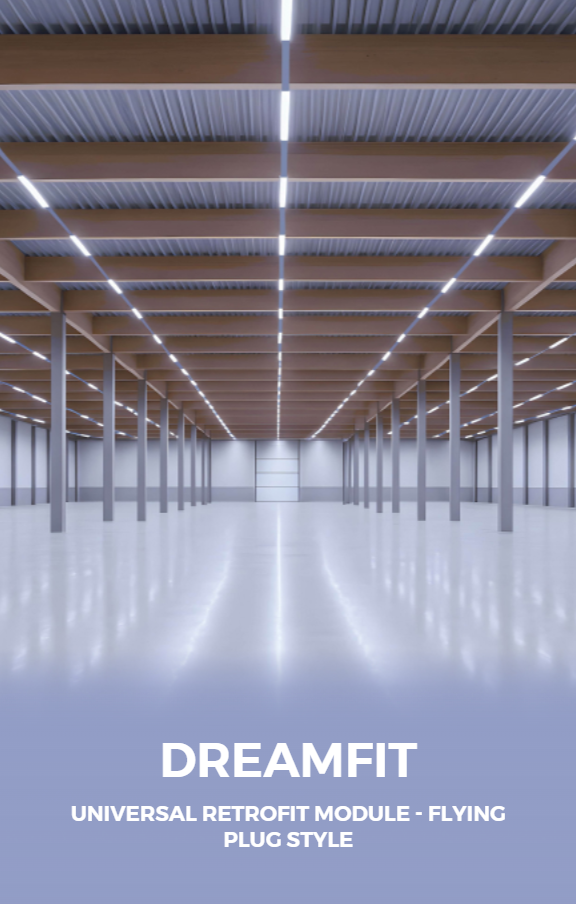
Warehouses waste money and time when lights don’t do the job: glare that blinds pickers, dim corners that hide hazards, fixtures that fail in damp bays. Start by looking at what actually sits above your racking — you might find a modular led light that lets you swap optics and drivers without calling an electrician, and that simple swap can quiet a dozen headaches at once.
What’s the real problem? Pinpoint it
Think like the folk who work under the lamps. Problems fall into a few plain buckets:- Poor task visibility at picking shelves.- Uneven illumination creating bright spots and shadowed aisles.- High energy and maintenance bills from frequent replacements.- Harsh colour that makes items look wrong.Pick the bucket that hurts you most. That’s the place to start.
Technical signs that matter — no fluff
Look for these clear, testable specs:- Lumens per fixture and lumens per square metre target: aim for 300–500 lux at floor level for general warehousing, higher for inspection stations. – Colour rendering (CRI): 80 is minimum; 90+ if accurate colour judgement matters. – Correlated colour temperature (CCT): 4000K gives neutral work light; lean cooler only if you want a clinical feel. – IP and IK ratings: IP65 for dusty or washdown areas; IK08 or higher where bumps happen. – Driver accessibility and replaceability: a serviceable driver saves shutdowns. These are not marketing words. They’re quick checks you can verify on a spec sheet before you buy.
Layout and mounting — how to arrange for fewer mistakes
Wrong spacing kills uniformity. Use two straight rules:- Mounting height dictates beam angle. High mounts need narrower beams or optical control to avoid wasted light. – Overlap beams rather than leaving gaps. Small overlaps cut deep shadows. Do a simple mock-up: install a sample above five pallets and walk the picking route at night. Nothing replaces seeing the light where hands meet boxes.
Durability, maintenance and real-life economics
Don’t buy the cheapest lamp and hope for the best. Consider:- Replaceable modules vs sealed units — modules cut service time. – Warranty terms tied to lumen maintenance (L70 at X hours) — long warranties matter, but read what they cover. – Driver type: constant-current drivers with surge protection survive industrial spikes. Think in labour hours saved, not just upfront cost. A unit that’s quick to service will pay for itself in less downtime.
Comparing fixture types — where track systems fit
High‑bay luminaires, linear strips, and track-mounted fixtures each have strength. Track-based systems are surprisingly nimble: you can reposition heads, swap optics, or add task lights without rewiring. That adaptability is why designers of retail and industrial lighting showcased advanced track solutions at Light + Building in Frankfurt, where modular systems drew attention for their serviceability. If your warehouse layout shifts often, consider a modern modular track light approach for flexible task lighting paired with fixed high‑bay general illumination.
Common pitfalls — what will bite you if you don’t watch out
Avoid these predictable errors:- Relying solely on wattage instead of lumens. – Ignoring glare metrics; intense glare slows work and causes complaints. – Skipping a trial install. A single sample helps you catch mounting, beam spread, and colour issues. – Overlooking environmental stresses: dust, heat, and washdowns shorten service life if specs don’t match conditions.
Short checklist to take to suppliers
Ask for:- Measured lumen output and beam angle at your intended mounting height.- CRI and CCT options.- IP/IK ratings and thermal management details.- Serviceability: can you replace modules or drivers on-site? – A sample unit for a real-world trial.
Closing thought — a clear fix, from experience
I’ve seen warehouses cured with the right mix: solid lumens, proper optics, and fixtures you can service without cranes. When the problem’s clear, the choice is simple — pick systems that let you adapt as your operations change, and you’ll cut complaints, accidents, and costs. For practical, serviceable modular systems that bend to a workplace rather than forcing the workplace to bend to them, consider the kind of solutions offered by trieco.