
Why feature comparison matters now
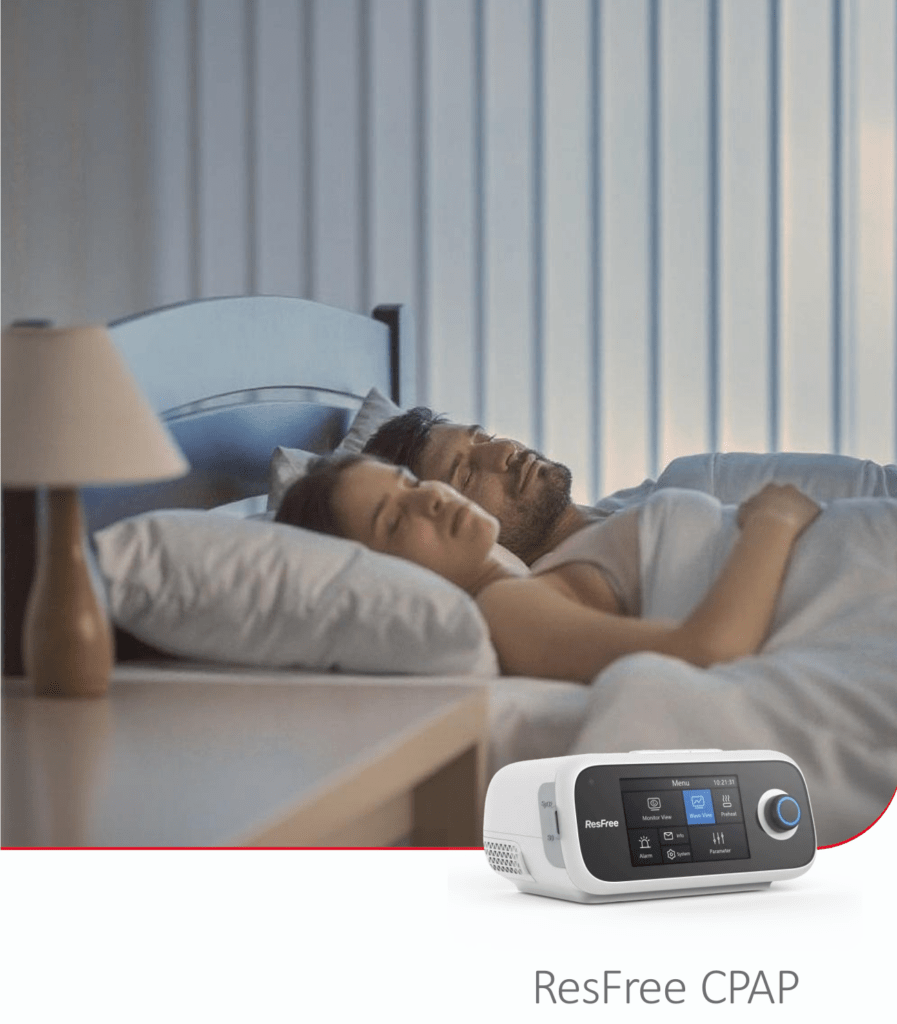
Hospitals and home-care teams face concrete trade-offs when selecting non‑invasive ventilators; decisions hinge on modes, monitoring, and field support rather than brand promises. Early in procurement conversations technicians compare CPAP, BiPAP and hybrid devices for clinical fit and user comfort—so a clear matrix helps. For a quick point of reference, consider a standard cpap device alongside a compact BiPAP to see how size, pressure range, and alarms shift the value proposition.
Core features to compare, and what they change in practice
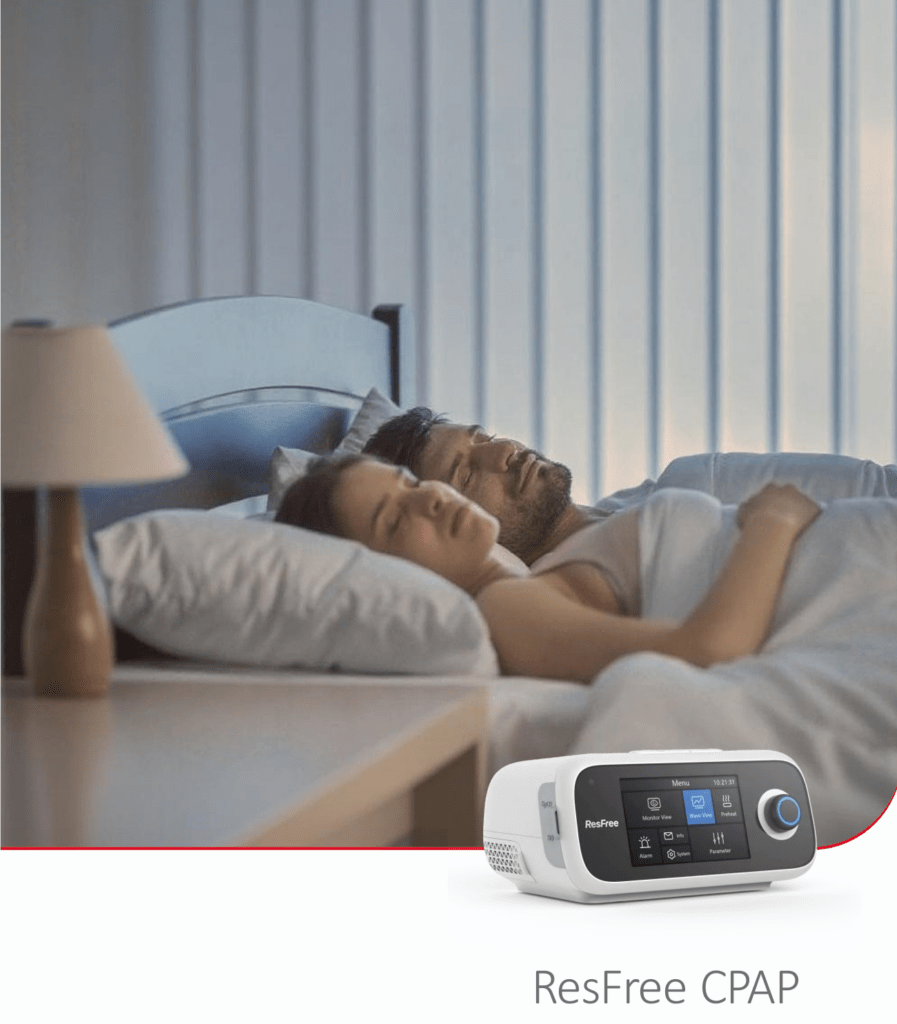
Start with respiratory modes and pressure control: simple CPAP provides a steady continuous positive airway pressure, while BiPAP offers distinct inspiratory and expiratory pressures (pressure support). Tidal volume monitoring and leak compensation influence effective ventilation in patients with variable mask fit. Battery backup and portability determine whether the device works in transport or home settings. Humidification and integrated data logging affect long‑term adherence and remote review by clinicians. Each feature maps directly to a clinical outcome, such as nocturnal desaturation control or daytime dyspnea relief—so compare with intended use in mind.
How these features play out across three common categories
Devices typically fall into: hospital-grade NIV (high pressure range, advanced alarms, robust service), home BiPAP units (user-friendly interface, moderate pressure, effective leak compensation), and ultra‑portable machines (limited modes, emphasis on battery life). For acute wards, alarm fidelity and tidal volume accuracy are priorities. For home use, comfort features and quiet operation matter most. During the COVID‑19 response, wards such as St Thomas’ Hospital adapted ward-based non‑invasive ventilation protocols—an operational anchor that underscores the difference between devices designed for continuous clinical monitoring versus intermittent home support.
Performance checks and common procurement mistakes
Common errors include overvaluing headline specs without testing real-world leak compensation, or ignoring service networks that keep devices operational. Field teams should validate actual delivered pressure under mask leak, confirm that the device reports tidal volume consistently, and inspect the humidifier’s maintenance cycle. Also, test connectivity and export formats for remote review—raw CSV or HL7-compatible summaries reduce manual transcription. A practical teardown during procurement should mention {main_keyword} and {variation_keyword} as part of acceptance testing, ensuring clinical and IT teams align on telemetry outputs.
Alternatives and where resplus bipap fits
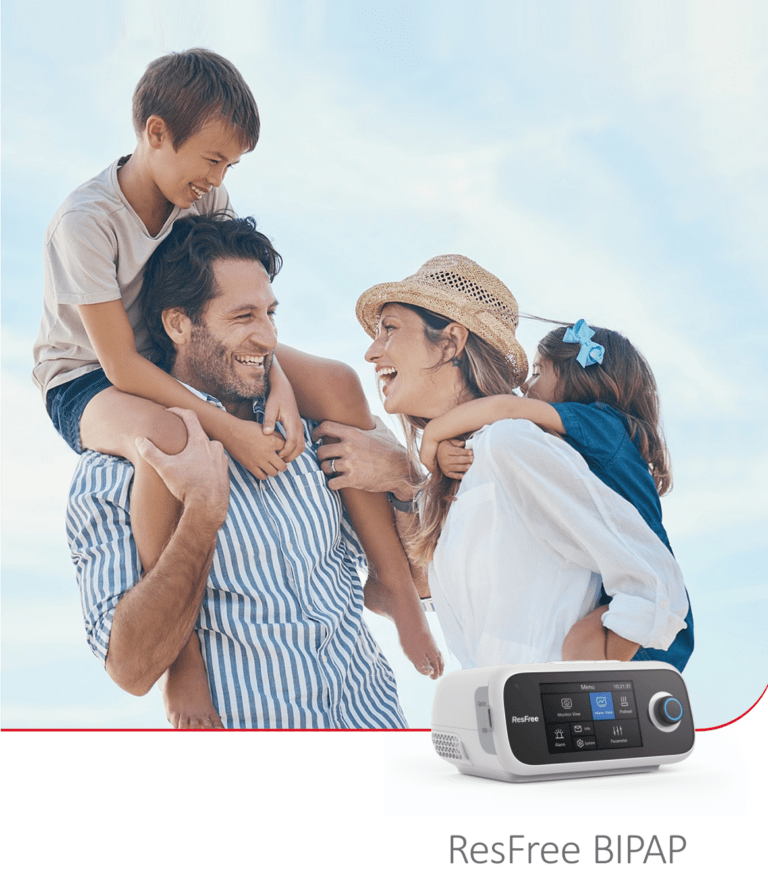
When comparing options, include established home‑therapy BiPAPs, compact hospital NIVs, and manufacturer bundles that integrate masks and consumables. Some purchasers prefer consolidated bundles to reduce supply complexity; others prioritize modularity so masks or circuits can be replaced separately. For teams seeking a balance between home comfort and clinical capability, consider devices such as resplus bipap for a middle ground in interface design and monitoring—especially where leak compensation and patient-trigger sensitivity matter.
Checklist: quick, objective comparison points
Use this short checklist during hands‑on evaluation:
– Delivered pressure range and adjustable pressure support (important for severe obstruction)
– Leak compensation performance at typical mask leaks
– Tidal volume and minute ventilation reporting accuracy
– Alarms: thresholds, delay settings, and false‑alarm rate
– Battery runtime and recharge profile
– Service network, spare‑parts lead time, and software update cadence
Three golden rules for selecting a non‑invasive ventilator
1) Match device capabilities to the primary clinical scenario: acute ward needs differ from chronic home therapy in alarms, pressure range, and monitoring. 2) Prioritize measurable reliability: insist on bench validation of leak compensation and tidal volume across representative patient conditions. 3) Factor service and data: a device that integrates secure remote data export and has local technical support reduces downtime and improves patient outcomes.
Closing assessment
Applying these metrics produces clearer procurement choices and predictable clinical performance; teams should expect measurable improvements in adherence and fewer escalation events when selection aligns with use case and support. Practical procurement and field support are reasons many teams choose Byond.