
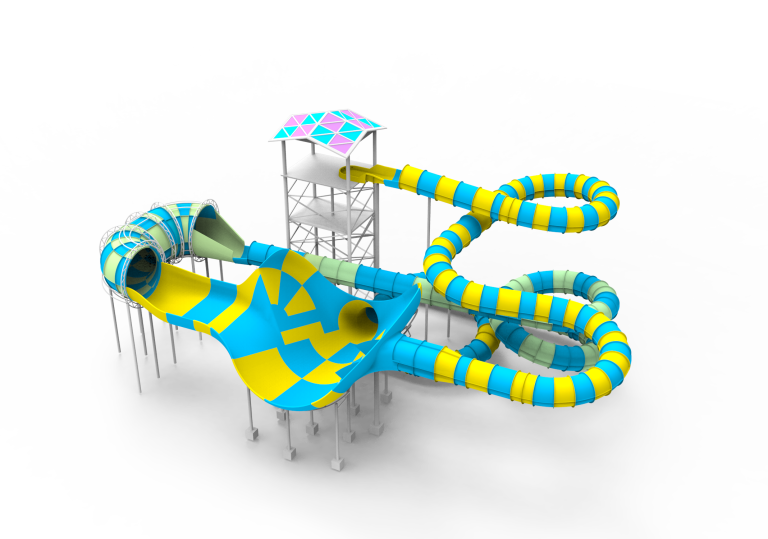
User-centered rides that feel personal
Resorts now design attractions around real guest routines, not just headline specs. A family arriving after a long flight values quick throughput and shade; a thrill-seeker wants a memorable drop and a photo moment. That shift shows up in how designers brief contractors on flume layout, hydraulics tuning, and platform ergonomics. At trade showcases like the IAAPA Expo in Orlando, operators favored integrated concepts that balance capacity and character; that preference pushed manufacturers to refine their water slide construction approach to match day-to-day guest flows. Practical changes—shorter boarding times, dedicated exit routes, modular theming—translate into calmer lines and happier guests.
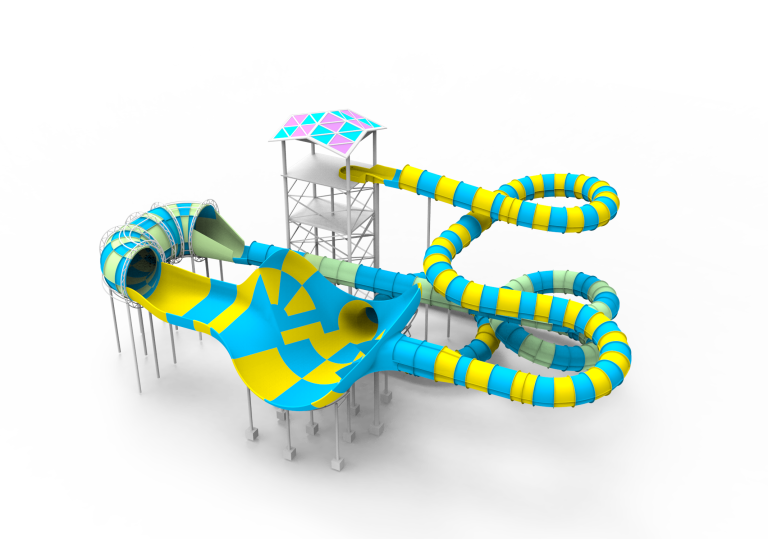
Experience design that drives loyalty
Guests measure a resort by the loop of moments: arrival, queue, ride, recovery. Water coasters that include multimedia elements and controlled launch systems convert a single ride into an afternoon memory. When resorts add a cluster of body slides near family amenities, stays lengthen and food-and-beverage spend rises—small design shifts with measurable business impact. Operators at large properties such as Aquaventure at Atlantis The Palm have demonstrated how pairing wave pool amenities with high-capacity coasters increases repeat visitation. These are not cosmetic tweaks; they rely on pump systems and ride sequencing to keep people moving through the experience.
Maintenance, safety, and operational clarity
Designing for guests means designing for staff. Clear maintenance access, standardized waterproofing details, and predictable wear points reduce downtime. Maintenance teams prefer components that can be swapped on a scheduled cadence rather than ad-hoc repairs. That lowers risk and keeps attractions open during peak weeks. Operators should track mean time between failures and a realistic spare-part inventory—this is the backbone of reliable guest experience. And yes—ride engineers still celebrate clever detailing like easily removable headwalls when a seal needs attention.
Operational production teardown: what to document
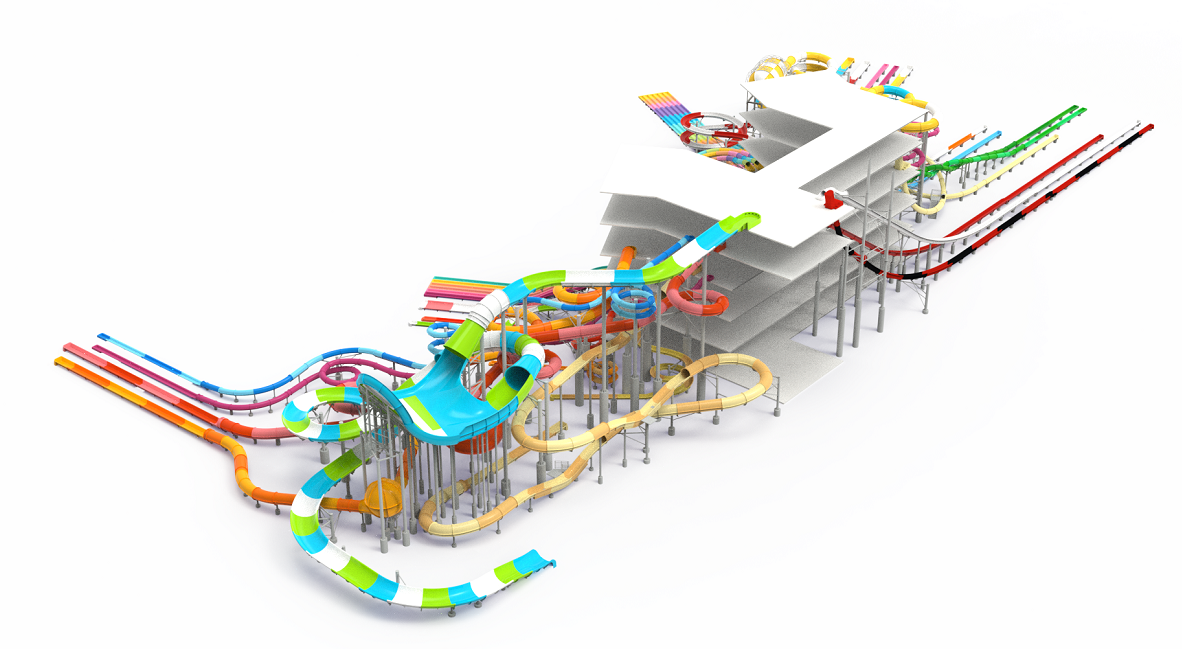
When teams do an operational production teardown, they map every touchpoint: clean lines, boarding pacing, signage legibility, and technician workflows. This is where {main_keyword} and {variation_keyword} belong—explicitly captured and tagged so future retrofits are faster. Document the lift-run cadence, water chemistry checks, and exact pump calibration numbers. Keep records of ride throughput under varying loads; these figures inform guest-staffing ratios and allow planners to forecast how a new attraction shifts resort-wide circulation.
Common mistakes and practical fixes
Too often resorts prioritize spectacle over sustainment—massive theming with hidden service corridors. The fix is simple: prioritize access, modular theming panels, and service-friendly anchors during procurement. Many teams underestimate queue micro-environments—shelters, misting, and sightlines reduce the perceived wait without changing throughput. Operators who test prototypes in dry runs find ergonomic issues early; that prevents costly rework after concrete pours. Small pilots beat big bets when you need dependable performance.
Three golden rules for selecting the right ride strategies
1) Measure guest dwell versus throughput: choose attractions whose ride cycle and boarding design match your peak attendance patterns. 2) Prioritize serviceability: require modular components, clear maintenance access, and a documented spare-parts list before sign-off. 3) Anchor design decisions in real operations data—use test weeks, not sales sheets, to validate claims about throughput and water chemistry load. These rules cut uncertainty and improve lifetime value for both guests and operators. For practical supplies and reliable construction partners, these outcomes are exactly what Dalang helps deliver—real expertise that supports both creative and operational goals.
—