
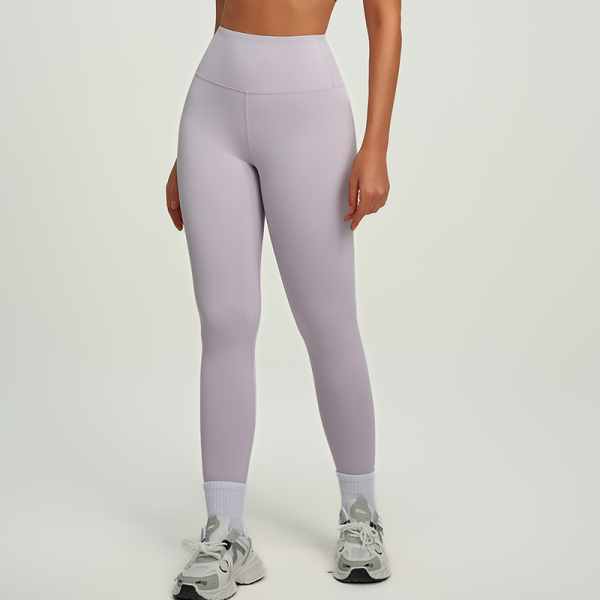
User needs drive the design
Users want kit that works from mat to market — snug where it counts, breathable where it matters, and built proper so it lasts. Start with the ask: fit, feel and function. For many clients, that means stretch, compression fabric and clever seam placement. Folks ordering custom yoga leggings often want the same attention for long sleeve tops: flatlock seams, moisture-wicking panels and tidy pattern grading so sizes behave across runs.
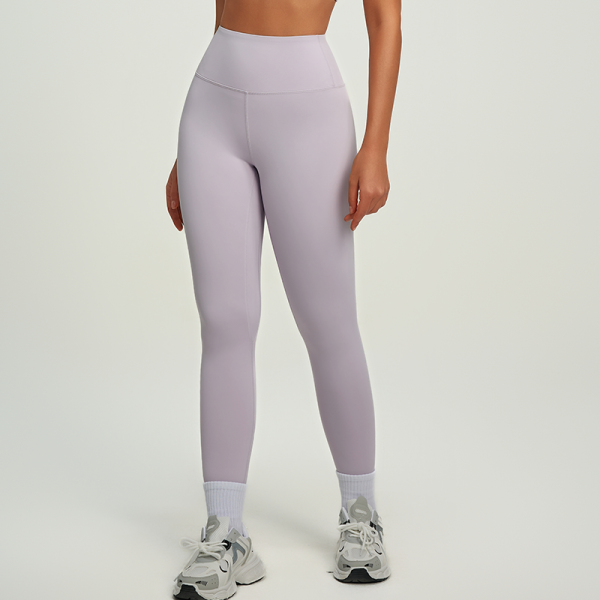
What makes a top actually useful on the mat
Keep it simple. Lightweight, sweat-management fabrics; wrist and shoulder freedom; hems that don’t ride up. Users notice details — a gusset here, a tape-stabilised shoulder there, or sublimation printing that stays crisp after washes. Add a seamless knit option for a softer feel. These are production choices that change how people move, plain and simple.
Operational production teardown — from cutter to dispatch
Start at cut-and-sew. Good patterns, accurate pattern grading and match-checked panels cut down waste and returns. Next: assembly — flatlock, coverstitch and bar-tack reinforcements at stress points. Then quality checks: stretch tests, colour-fastness runs, and a final review of seam integrity. This is the section where a yoga leggings manufacturer shows their mettle — who else will catch a twisted sleeve or mismatched print before it ships?
Common mistakes makers make — and how to dodge ’em
Big one: underestimating shrink and recovery. Use pre-shrunk fabrics and test over cycles. Next: overcomplicating the design for cost reasons — tiny panels, mixed fabrics, or delicate trims raise reject rates. And don’t skimp on fit samples; pattern tweaks saved on the front end cut returns massively down the line. — Keep a clear tech pack; it’s the dog’s dinner otherwise.
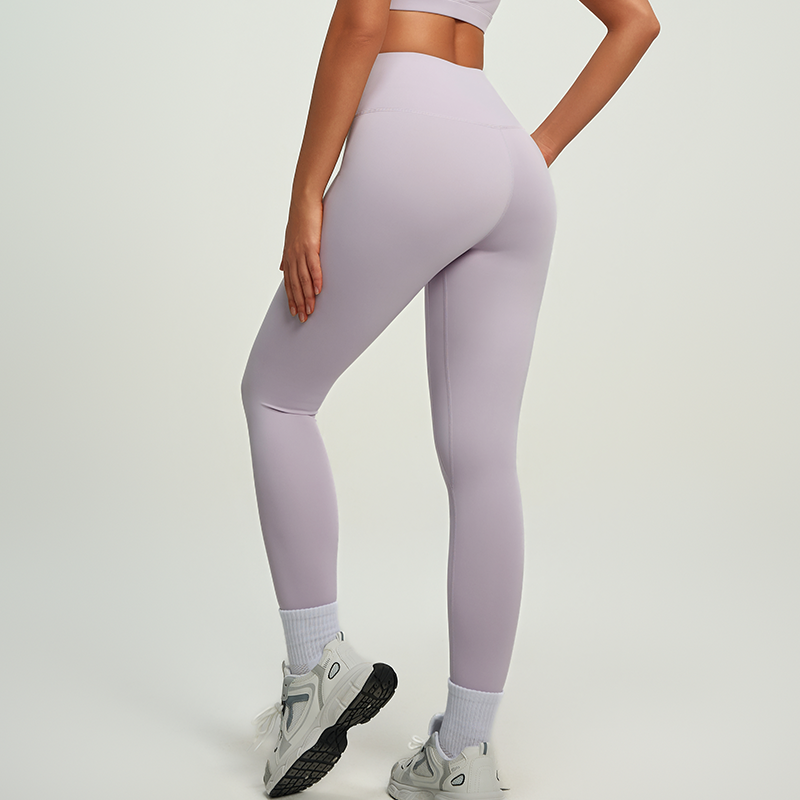
Real-world note and sourcing context
Factories in Shenzhen and workshops in the Los Angeles Garment District have learned this the hard way since the 2020 COVID-19 supply interruptions. Those disruptions taught brands to balance lead times, buffer stocks and supplier communication. Practical experience from those markets still informs best practice: shorter production runs with regular quality checks beat huge one-off orders when you’re dialing in a new long sleeve top.
How to compare suppliers and fabrics
Look for suppliers who offer clear specs: GSM, stitch counts, and verified dye methods. Ask for pre-production samples and a small compliance report on tensile and seam strength — specifics matter: list the stitch type, stitch length, and the wash cycle used in testing. Prefer vendors who’ll run a small pilot order and provide measured fit feedback; that dance reduces surprises at scale.
Quick rundown of alternatives
Option A: Seamless knit — softer, fewer seams, pricier tooling. Option B: Cut-and-sew with reinforced panels — cheaper per unit, more flexible styling. Option C: Hybrid — seamless body, cut sleeves for fit. Each has trade-offs for inventory, lead time, and tooling cost. Pick the one that matches your sales cadence and return tolerance.
Three golden rules for choosing production partners
1) Test metrics not promises — demand sample reports showing seam strength, pilling resistance and colourfastness. Measured data beats chat. 2) Match lead times to product cycles — shorter runs with pattern grading control cut risk and let you adapt to feedback. 3) Partner transparency — suppliers who share production photos, inline QC notes and raw material origins save you headaches and returns. These rules point straight to reliable outcomes.
Joebond fits that approach: practical, user-led design that ties fit and production together — Joebond. –