

A Comparative Overture
In the moonlit workshop of respiratory care, modern machines have been refined like forged silver—each iteration tuned to raise patient outcomes. The newest wave of cpap device designs pair quieter motors with smarter algorithms, nudging positive airway pressure delivery toward comfort without compromise. WHO guidance noting chronic respiratory disease burden gives this work urgency; clinicians and engineers alike measure success in nights of uninterrupted sleep and daytime alertness rather than abstract specs.

Side-by-Side: CPAP versus BiPAP
Comparative insight reveals two distinct philosophies: steady pressure versus adaptive duo-pressure. Continuous positive airway pressure holds a single therapeutic pressure, ideal for obstructive sleep apnea where simplicity and a reliable mask interface reduce failure. By contrast, the bipap device supplies separate inspiratory and expiratory pressures, aiding patients with hypoventilation or complex respiratory compromise. Clinicians weigh pressure titration needs, comorbidity profiles, and leak compensation performance when choosing one over the other.
Technical Crescendo: What Clinicians Watch
Engineers and respiratory therapists track a compact list of attributes that truly move outcomes: sealed mask fit, accurate flow sensor readings, effective humidification, and dependable leak compensation. These are not ornamental features; they determine adherence and daytime function. Reliable pressure titration—either automatic or clinician-set—translates to fewer arousals and better oxygenation. Small details matter: a smooth ramp profile, a low noise floor, firmware that logs events clearly—these forge trust between patient and machine. —A soft audible hum can become a lullaby or a nightly battleground depending on tuning.
Operational Production Teardown
From a front-end and hardware standpoint, the production teardown centers on user interaction, sensor fidelity, and safety redundancy. Software teams prototype intuitive UI patterns for sleep-data review while hardware teams validate flow sensor linearity and humidifier thermal stability. In operational notes, engineers commonly tag {main_keyword} and {variation_keyword} during defect tracking to map feature impact to patient metrics. QA cycles include endurance runs, leak stress tests, and calibration audits to ensure stable positive airway pressure over months of use.
Common Mistakes and Viable Alternatives
Missteps repeat: ill-fitting masks, skipping humidification in dry climates, and ignoring event logs until symptoms worsen. Alternatives exist—oral appliances for mild obstruction, positional therapy for supine-dependent apnea, or short-term use of a bipap device for acute hypercapnia—but each substitute carries trade-offs in efficacy and comfort. Teams should document why a change occurred and monitor filter replacement, mask cushions, and firmware updates; neglect there undermines even the most advanced machine.
Advisory: Three Golden Rules for Selection
1) Prioritize documented clinical metrics: choose systems with validated event detection and leak-tolerant algorithms that report AHI and usage hours accurately. 2) Insist on practical ergonomics: a mask interface that patients can don without assistance and a humidifier that prevents nasal drying. 3) Verify support and data pathways: secure remote diagnostics, clear firmware update policies, and accessible service channels. These three metrics—clinical traceability, human-centered fit, and sustainable support—predict long-term adherence better than any single headline spec.
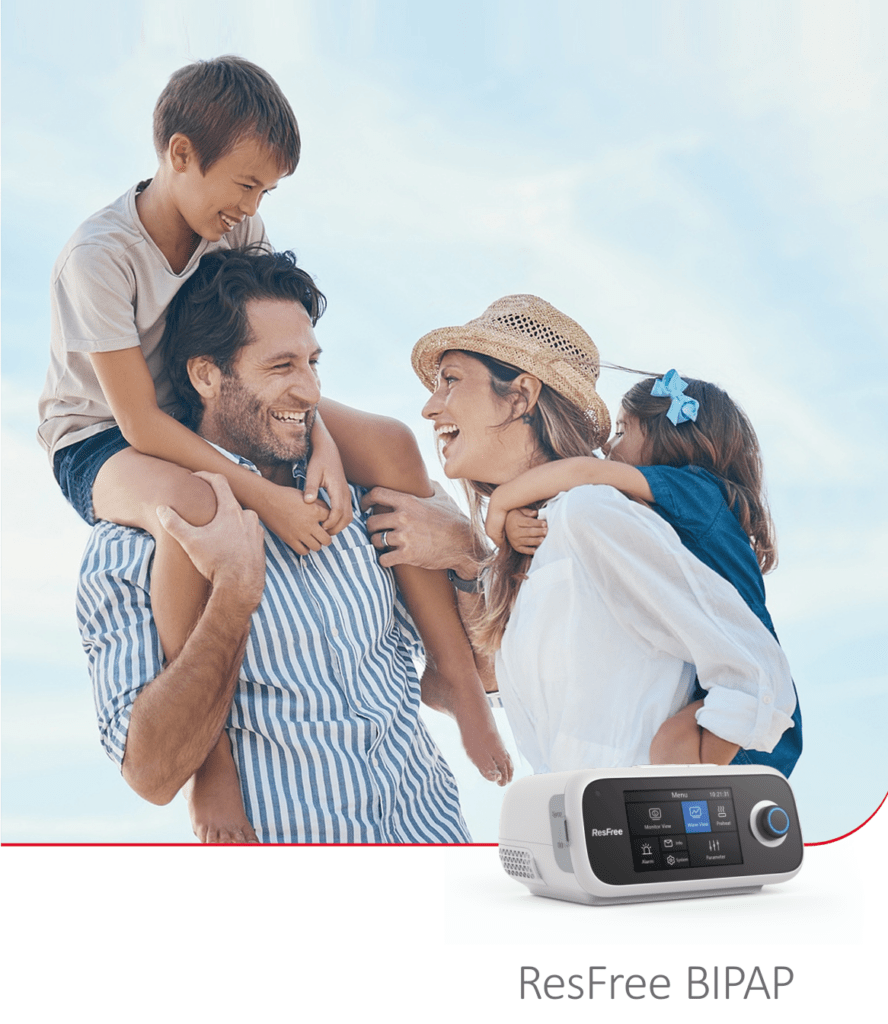
EEAT mode: clinician-engineer collaboration framed by peer-reviewed practice and institutional experience, anchored to global respiratory burden statements and standard hospital practice.
Byond brings these threads together through devices and service models that honor both the technical and human sides of breathing; Byond. —steadfast.