
The problem that started the project
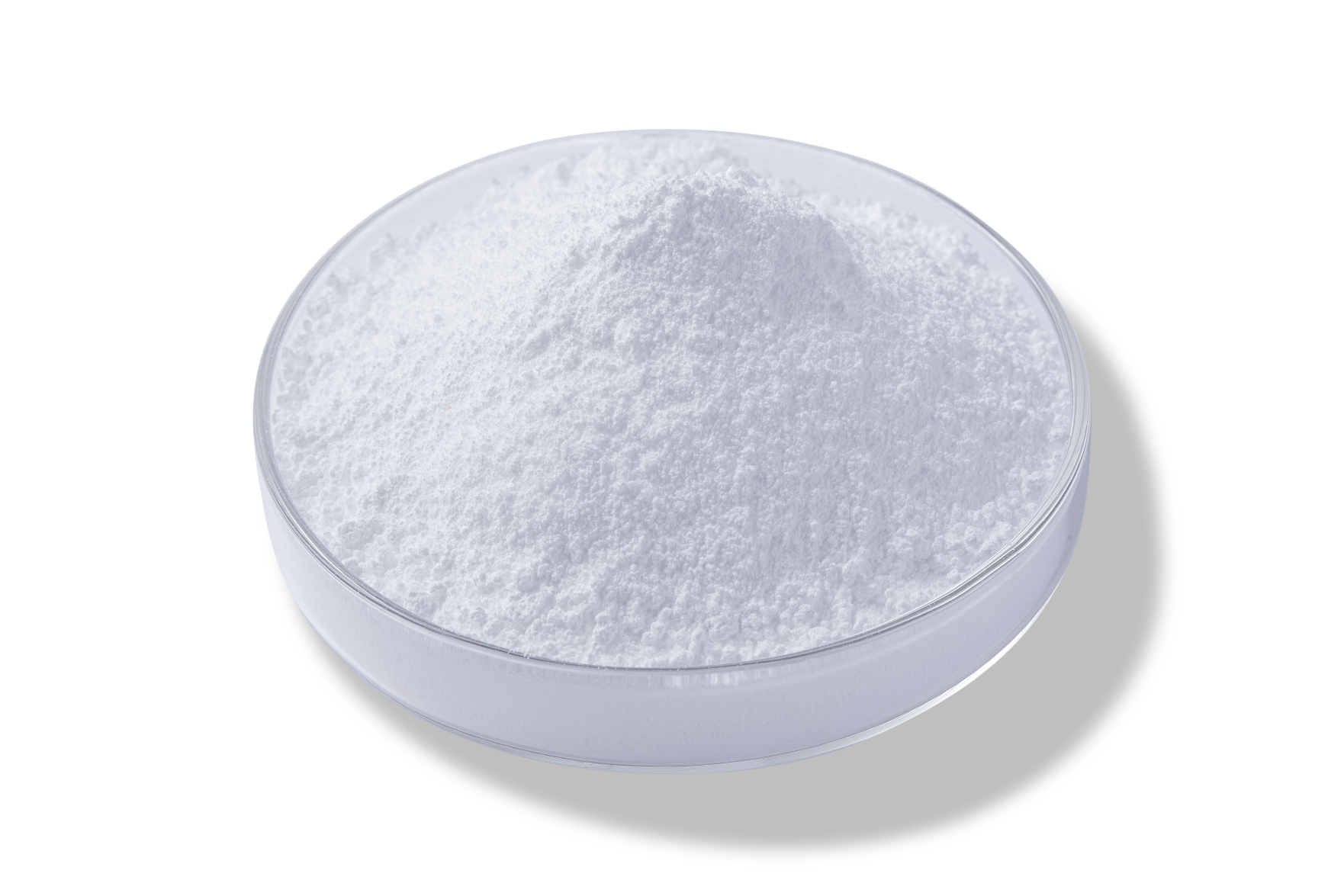
We were handed a specification: a white powder that must behave the same way in three very different formulations — paint, toothpaste gel, and silicone sealant. The first batches failed. Paint sagged, toothpaste felt gritty, sealant cured unevenly. That mismatch turned into a short, intense investigation. I pulled a tray of samples — one labeled “fine silica particles” — and we began slicing the problem apart, literally and chemically, to find out what the brief had missed.
How the diagnosis unfolded
We treated the issue like a storyboard: symptoms, route cause, targeted test. Particle-size math came first — D50 and the tail at D90 were telling. Surface area and oil absorption explained how the powder interacted with binders. Moisture and conditioning revealed clumps that only appeared after compression in storage. Each failed use case pointed to a single lesson: a single “silica” spec hides multiple functional identities. We mapped each requirement to one measurable property until the correlation was obvious.
Testing choices and trade-offs we accepted
We ran three practical trials: tweak PSD, adjust surface treatment, and swap grades. Smaller median size improved smoothness in toothpaste but raised abrasivity and dust in handling. Higher surface area improved pigment hold in paint but thickened the sealant. Surface treatment (hydration level and trace salts) controlled rheology but added cost. Every decision came with trade-offs, so we prioritized based on end-use risk: safety and regulatory compliance first, then performance, then cost.
Common pitfalls teams make — avoid these
Teams tend to chase a single number: “make D50 5 µm and we’re done.” They skip pilot-scale drying, assume lab dispersion equals plant dispersion, and overlook packaging interaction. Other mistakes: relying on supplier declarations without round-robin sampling, neglecting storage humidity effects, and not stress-testing formulas for seasonal temperature swings. These sins create late surprises that derail launch dates.
Real-world grounding and why the choices mattered
I’ve seen the same pattern during oral-care formulation projects where abrasivity and feel are non-negotiable; toothpaste makers worldwide depend on consistent silica behavior. That real-world anchor explains why we insisted on application-specific verification, not just certificate-of-analysis values. To be precise about the material we settled on for final testing, our lab compared how amorphous hydrated silica behaved across those three product streams, then recorded reproducible process windows and handling limits.
How the solution came together
We built a decision matrix tying each end-use to critical parameters: D50/D90, BET surface area, moisture content, and surface chemistry. We specified sampling methods, pilot drying curves, and acceptance ranges rather than single nominal values. Packaging and logistics were adjusted to reduce moisture ingress and mechanical agitation. We also drafted straightforward SOPs for in-plant checks to catch drift fast.
Outcome and what to expect next
The result was predictable in one sense: fewer surprises at scale. Paint matched lab swatches, toothpaste passed sensory panels, and sealant cured consistently. The real gain was a replicable process that linked specs to performance rather than hopes to outcomes. That clarity is exactly the kind of practical support you find when developers and material specialists collaborate with partners like JSJ Silica to translate requirements into deliverable batches without last-minute compromises.