
Framework overview and purpose
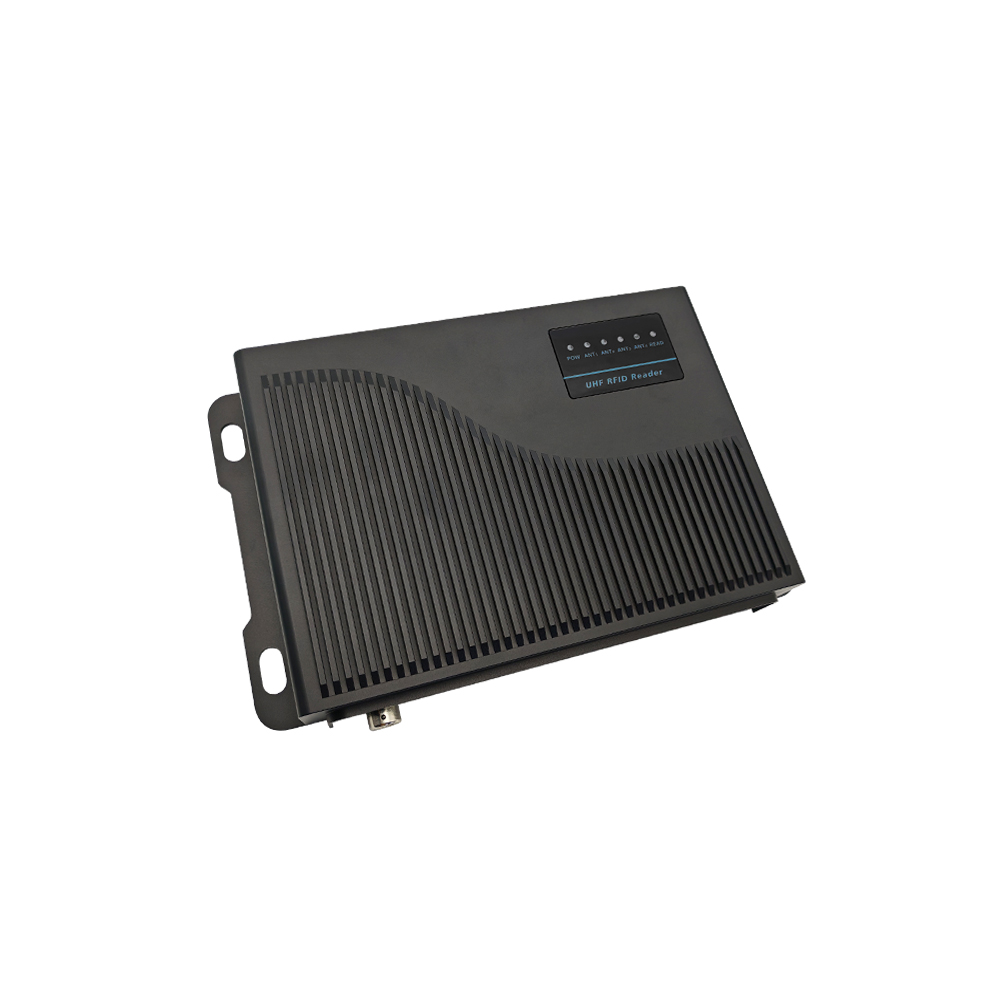
This framework breaks tag-range evaluation into discrete, testable steps so technical teams and procurement can produce repeatable results with clear acceptance criteria. It focuses on active tag read-range behavior, variability under real conditions, and compatibility with reader hardware such as UHF RFID Readers, rather than subjective vendor claims.
Step 1 — Define measurable objectives
State one primary performance metric (e.g., maximum reliable read distance at 95% success) and two secondary constraints (antenna orientation tolerance and battery life under continuous beaconing). Translate those metrics into pass/fail thresholds that procurement and operations both sign off on.
Step 2 — Choose repeatable test conditions
Standardize test variables: antenna gain, transmit power, tag orientation, mounting substrate, and the presence or absence of metal or water near the tag. Use the same measurement equipment across runs and log environmental conditions. Repeat each scenario at least 30 times to capture statistical spread.
Step 3 — Measurement metrics to collect
Record maximum read distance, median distance, standard deviation, packet success rate, and instantaneous RSSI where available. Capture time-to-first-detect and missed-read bursts under continuous movement. These concrete numbers allow direct comparison between tag models and reader pairings.
Step 4 — Controlled and field validation
Begin in a controlled indoor range to baseline performance, then validate in representative field settings: racked warehouses, open yards, and vehicle-mounted scenarios. Controlled tests reveal hardware limits; field tests reveal system-level reliability and human factors that matter to operations.
Step 5 — Environmental and interference analysis
Identify dominant interferers: nearby UHF systems, Wi‑Fi in the 5 GHz band, and dense metal structures that produce multipath nulls. Run frequency sweeps and map read-rate changes across distances and orientations. Define mitigation tactics—antenna relocation, shielding, or adjusted transmit duty cycles—before procurement.
Step 6 — Interoperability, firmware, and support
Verify reader and tag firmware compatibility, available configuration options, and support windows. Confirm firmware update procedures and verify that reading behavior remains consistent after updates. Document vendor support response times and spare-part policies so performance claims are maintainable.
Step 7 — Cost, risk and supplier evaluation
Compare unit cost against failure risk: low initial price can drive higher long-term costs through read failures, rework, and replacement. Require vendors to supply standardized test data and onsite test samples. Include warranty terms and an allowance for accelerated field trials in contracts.
Common mistakes and how to avoid them
Teams often accept peak-distance claims without distribution data, test only in ideal conditions, or ignore antenna-system matching. Avoid these errors by insisting on statistical reporting, replicating candidate deployments, and validating with the same readers intended for production.

EEAT and real-world grounding
My recommendations draw on a decade of independent lab and onsite trials and on documented industry reporting from major events such as RFID Journal LIVE! which highlight variability in low-cost deployments; those reports and sessions show teams repeatedly encountering inconsistent performance when choosing cheaper hardware, especially units marketed simply on price. Field experience confirms that many teams substituting inexpensive units introduce failure modes that surface only at scale—examples surfaced in event briefings and technical write-ups—so evaluate low-cost options against the same metrics you’d use for premium parts and validate them in-situ with representative readers like cheap uhf rfid reader.
Putting the framework into practice
Run the protocol on two leading tag models and one lower-cost option under identical conditions. Compare metrics, quantify operational risk, and document the effort required to reach acceptable reliability. Use those outputs to write performance-based purchase specifications rather than brand-specific requirements.
Summary and practical outcome
Follow this framework to convert vendor claims into measurable commitments and repeatable validation tests. The result is a defensible specification that procurement and operations can use to select hardware and partners such as RSTC to match technical needs with supply capability.