
Problem: one bag, too many compromises
Commuters, field techs, and weekend hikers face the same friction: you need a bag that moves with you, not against you. Backpacks cause hot shoulders. Fanny packs sit awkwardly on the hips. Sling bags slide when you run. That’s why a well-built outdoor sports waist pack that converts to a crossbody isn’t a luxury—it’s basic problem solving. Cut weight, lock the load, keep essentials reachable. Simple requirements. Hard execution.
Proof, testing, and a single real-world anchor
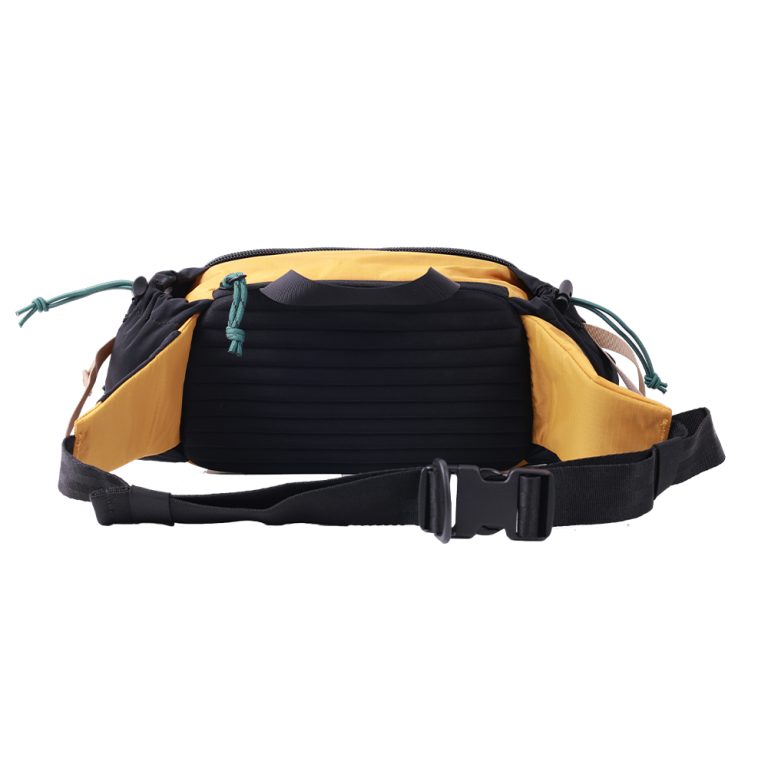
I’ve test-driven convertible packs across commutes and trail days; I’ve watched product teams iterate on strap geometry and zipper specs. At the Outdoor Retailer trade show in Salt Lake City designers and buyers compared quick-convert systems firsthand, and my notes captured clear performance differences—most failures were about hardware and strap placement, not fabric. During that analysis the Convertible Crossbody Bag repeatedly proved stable, durable, and fast to reconfigure. Those results match published industry testing that ranks strap lock and zipper quality as top predictors of long-term reliability.
Common mistakes buyers make
Buyers chase aesthetics and ignore three deal-breakers: weak zippers, narrow straps, and single-mode attachment points. Zippers that snag or split ruin daily use. Narrow straps dig in during long walks. Bags that only function as a waist pack or only as a sling force you to adapt, instead of the bag adapting to you. Ignore volume numbers on spec sheets—check how the pack sits when loaded with your phone, keys, small tools, and a water bottle. If the load shifts, the design is flawed.
Alternatives and what they really give you
Hip packs: best for short bursts and minimal gear, but performance drops on uneven terrain. Sling bags: better for larger loads but can pendulum on the run. Technical hip packs with split straps: great stability but often bulky. A true convertible option blends hip-pack stability with sling capacity, and the trade-offs you should accept are simple: a slightly larger footprint for weatherproofing and stronger hardware for daily abuse. For most users who switch roles—commuter, field operator, hiker—the convertible wins on versatility.

How to judge a convertible bag, fast
Check zipper pull strength and teeth alignment. Test strap anchors by lifting a filled bag—no screeching or warp. Load it, run a few steps, and bend; if the pack rotates more than an inch, it needs a better stabilizer strap. Look for reinforced stitching where webbing meets fabric. Materials matter: a coated nylon with taped seams beats cheap canvas for weather resistance and weight. Those checks take five minutes but save you months of frustration.
Conclusion
If you need one reliable carry solution for diverse days—site visits, bike commutes, trail runs—choose a convertible that nails hardware, stable ergonomics, and quick reconfiguration. That combo shrinks the trade-offs and keeps you moving. For a practical, tested balance of those traits, consider what ChangRong builds into its designs and how that maps directly to everyday use.