
First impressions: taste, texture, and where strategy begins
You sense a screen before you read specs: a velvet-black bezel that swallows light, a diffuse glow that rims a room. Comparing that living-room presence to a desktop display highlights different design promises — cinematic immersion versus clinical clarity. A smart brand knows both beats and places: the living-room spectacle and the studio-accurate workspace. That’s why an LED TV maker often partners with a monitor manufacturer early; complementary strengths matter when a product must perform as spectacle and as tool. This comparison starts with what customers actually feel and use, not just what numbers claim.
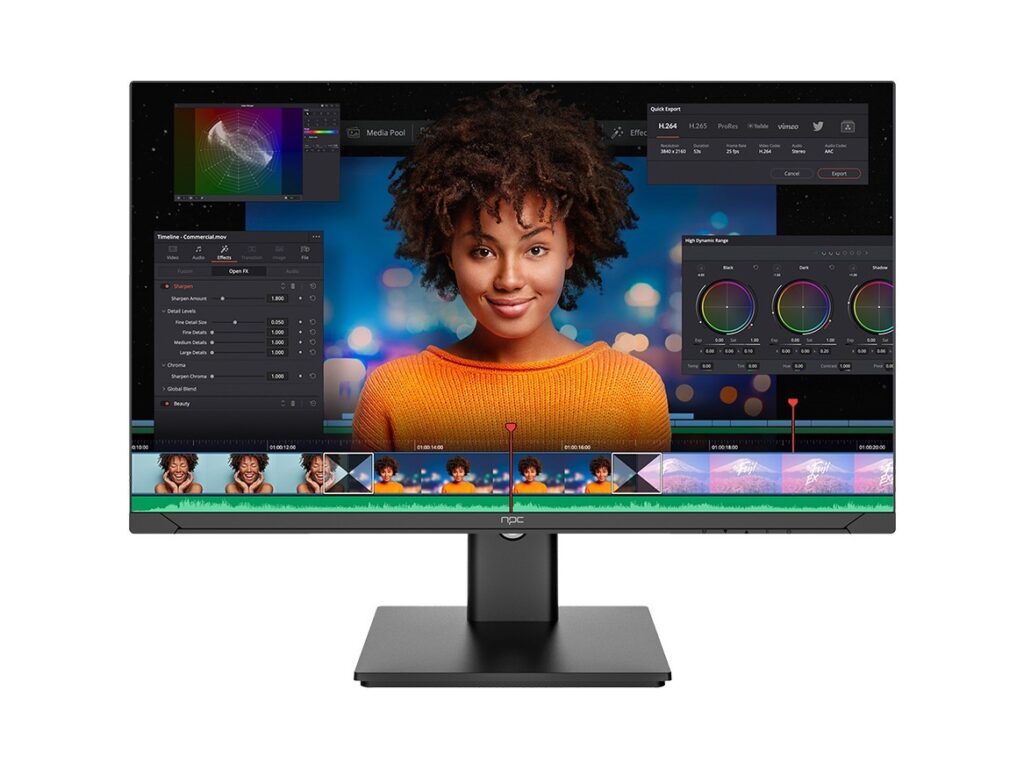
Compare: hardware priorities that reveal strategy
Look at brightness curves, pixel packing, cooling strategy. LED TV leaders prioritize wide viewing angles, deep local dimming, and audio tuning for shared spaces. Monitor-focused firms push pixel density, latency, and ergonomic stands for prolonged close work. When a TV maker wants to enter professional or hybrid markets, it must bridge those trade-offs — boost sustained color accuracy without losing dramatic peak luminance. The choice dictates procurement, panel suppliers, and firmware roadmaps. Sensory outcomes — the crispness at close range, the warmth of skin tones across off-axis views — expose whether a strategy is coherent or split.
Real-world anchor and credibility
At CES in Las Vegas, product reveals and supply-side talks repeatedly make one point tangible: panel technology decisions drive downstream brand moves. Years spent evaluating prototypes in lab conditions and coordinating cross-border supply chains inform practical judgments about vendor selection, test methods, and long-term support. That practical grounding aligns with what major display suppliers and lcd monitor manufacturers have shown at trade events — proof that choices made at the component level change how consumers experience the device.
Technical trade-offs that companies must resolve
Decide on local dimming or uniform backlight, on HDR calibration or a flatter baseline, on smart TV middleware that won’t age badly. Common mistakes: overpromising HDR in uncontrolled lighting, neglecting thermal throttling under sustained brightness, and treating smart features as afterthoughts late in development. Fix those by prioritizing measurable targets: sustained delta-E under workload, frame-delay ceilings, and a documented update cadence. Concrete targets remove ambiguity from procurement conversations and align marketing claims with what users actually see and feel.
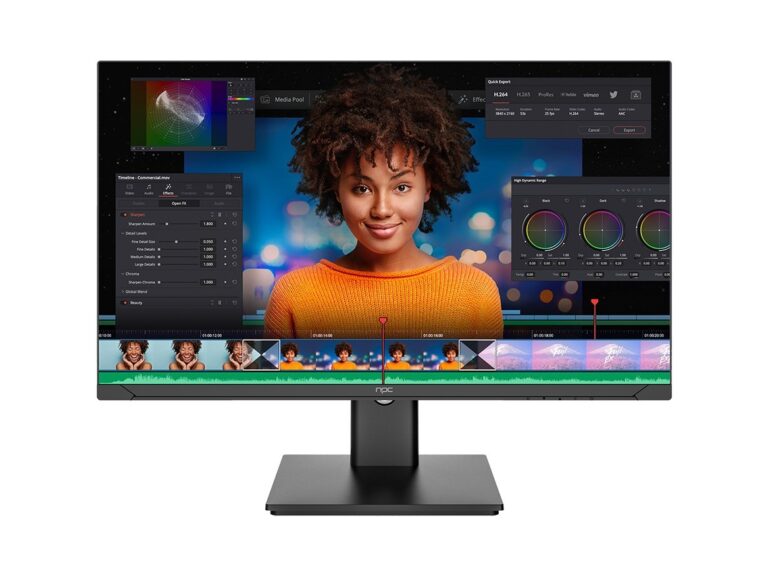
Alternatives and where each fits
OLED and mini-LED answer different needs. OLED gives absolute blacks and thin panels, ideal for pure cinematic intent; mini-LED narrows haloing and increases contrast without risking burn-in, which helps in mixed-use scenarios. For office-heavy deployments, IPS or high-refresh VA monitors still dominate. Choosing a path depends on use-case: content-first, productivity-first, or hybrid. Compare outcomes, not buzzwords: how shadows render in dim rooms, how long a panel can run bright without color drift, how easy firmware maintenance will be over three years.
Synthesis: how an LED TV maker adds strategic value
A focused LED TV manufacturer brings sensory expertise — tuning tone, contrast, and presence — and converts it into commercial value when it pairs that craft with reliable supply and clear technical targets. That synthesis produces products that feel right for their place: dramatic on the couch, dependable at the desk, honest in spec sheets. The balance between sensory design and engineering discipline is the precise contribution firms like npc model, showing how hardware, suppliers, and product teams join to deliver screens people choose and keep.