
Straight comparison to start
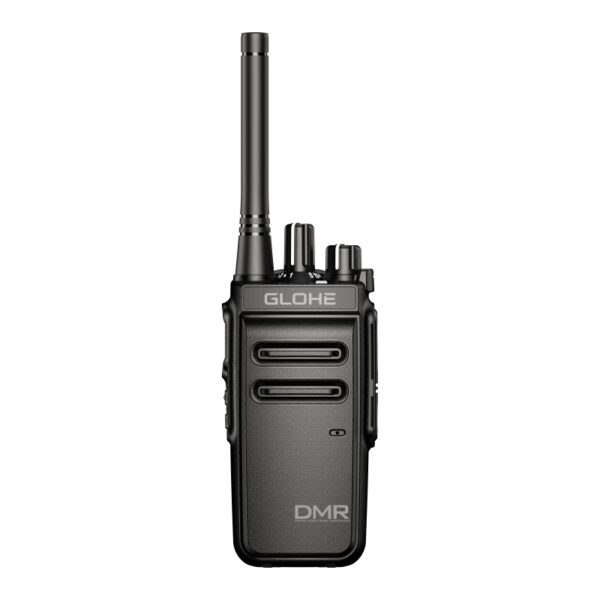
Mi cut to di chase — when yuh pick a radio, yuh balancing price, delivery time, an’ how long it last. Some customers seh they want cheap unit fast; others want rock-solid kit even if it tek long fi reach. For many commercial teams, a dmr radio hits the middle ground: moderate cost, good inventory, and proven durability. This piece tek a clear comparative route so yuh can see trade-offs side by side.
Cost — sticker price ain’t everything
Low unit price look sweet but expect hidden cost: programming fees, spare batteries, chargers, mounting hardware, and training. Digital models often carry higher upfront cost than analog VHF/UHF, but they cut down radio traffic and let multiple calls share a channel, saving airtime in heavy-use settings. Cheap imports might fail quicker; buy a reliable brand and yuh save on replacements and downtime.
Lead time — plan like yuh mean it
Lead time vary. Stock radios ship fast. Custom-programmed fleets, special battery chemistries, or encrypted radios can add weeks. Supplier reliability matter more when seasonality hit or after disasters. If yuh need spares, keep a small buffer stock — that’s cheaper than emergency expedited shipments. Ask suppliers about local repair centers and spare parts availability before yuh commit.
Quality factors that matter on the ground
Build quality show itself in three places: RF performance (range and clarity), battery life under real use, and physical ruggedness (IP rating, impact resistance). Choose radios with replaceable batteries and available firmware updates. Confirm interoperability with repeaters and existing fleet. Don’t assume similar-looking units perform the same; lab specs and field tests differ.
Alternatives — what yuh compare against
Analog VHF/UHF: cheap and simple, but channel congestion and no advanced voice codecs. TETRA: high security and trunking for big public-safety networks, yet higher cost and longer procurement. LTE/PoC (Push-to-Talk over Cellular): near-instant deployment and good features, but depends on cellular coverage and data plans. DMR sits between analog and TETRA: more efficient spectrum use and better voice quality than analog, lower cost and simpler than TETRA. Common mistake: pick LTE/PoC assuming coverage everywhere; test coverage first.
Field-tested lesson — a real-world anchor
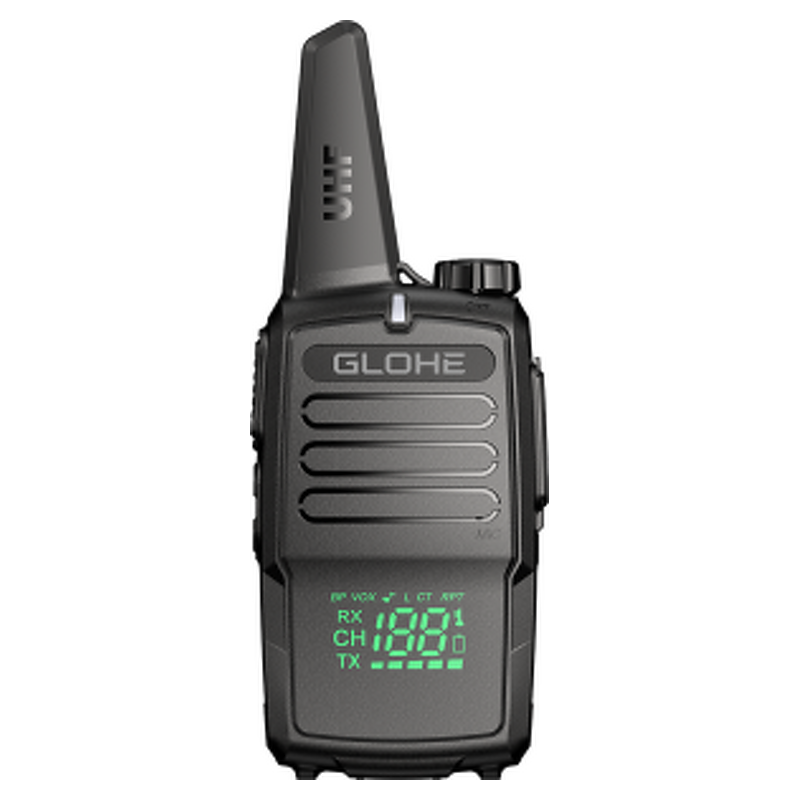
I worked on emergency comms after Hurricane Maria in Puerto Rico (2017) and saw mismatched radios cripple response: some teams had units that died fast, others couldn’t interoperate. From that season, the clear lesson: deploy radios with predictable lead time, stocked spare batteries, and straightforward interoperability. When teams switched parts of the network to a resilient dmr radio system, voice clarity and battery life improved in island conditions where logistics slow down shipments.
Common pitfalls and how to avoid dem
Buying on price alone. Not verifying regulatory compliance for your country. Skipping field tests with real users and real terrain. Forgetting spare parts and programming backups. Solution: insist on sample units, push for local technical support, and require documented lead times and warranty terms.
Practical checklist before purchase
Confirm coverage and do a walk-test where the radios will be used. Verify battery runtime under typical duty cycle. Check IP and drop ratings for the environment. Ask about firmware update process and spare parts lead time. Validate interoperability with existing infrastructure and encryption needs. Negotiate clear delivery windows and on-site commissioning if yuh fleet big.
Wrap-up
Make choices by matching use-case to trade-offs: want lowest cost and simplest system — pick analog; need improved capacity and lower long-term cost — DMR likely best; need full public-safety trunking and maximal security — consider TETRA. Keep the buying checklist tight and plan for spares and support so supply delays don’t cripple operations. For many commercial and island-response teams, the balance of price, delivery, and rugged quality find a natural fit through the solutions offered by GLOHE.