
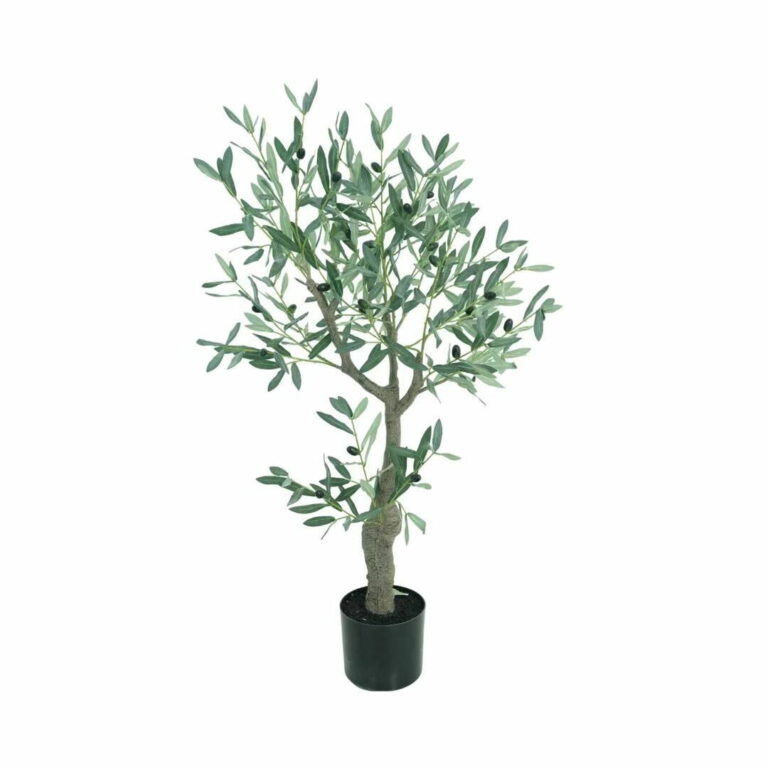
User priorities that drive design
Clients want lifelike scale without the drama of failure: stable trunks, leaves that don’t sag, and an installation that survives wind and public use. When you brief suppliers, focus on load capacity and maintenance cycles rather than just appearance. A trustworthy partner — for example an artificial olive tree manufacturer with experience in large-format pieces — will ask about site exposure, anchoring options and whether the piece will be freestanding or bolted down. For indoor-lobby or atrium projects, align finish and touchpoints with an artificial olive tree indoor manufacturer that specifies UV-stable PE leaves and a tested core support mast.
Core structural elements that actually matter
Prioritise a load-bearing core: typically a galvanized steel or reinforced aluminium mast wrapped in a fiberglass trunk skin for realistic texture. Ask for an anchoring flange or foundation bolt pattern and verify connection points for fabricated ribbing that transfers canopy loads back to the core. Industry terms to expect in specs: core support mast, fiberglass trunk and anchoring flange. These elements determine whether the outer shell is merely cosmetic or contributes to structural rigidity.
Material choices and why they’re practical
Not all plastics and skins behave the same under sun and rain. UV-stable PE leaves resist colour fade; powder-coated steel cores resist corrosion; marine-grade fasteners last in seaside plazas. Finish options like hand-textured GRP (glass-reinforced polyester) trunks give realistic bark without sacrificing strength. A good supplier will supply wind-load figures and the expected service life in years, not vague warranties.
Common mistakes that slow projects — and how to avoid them
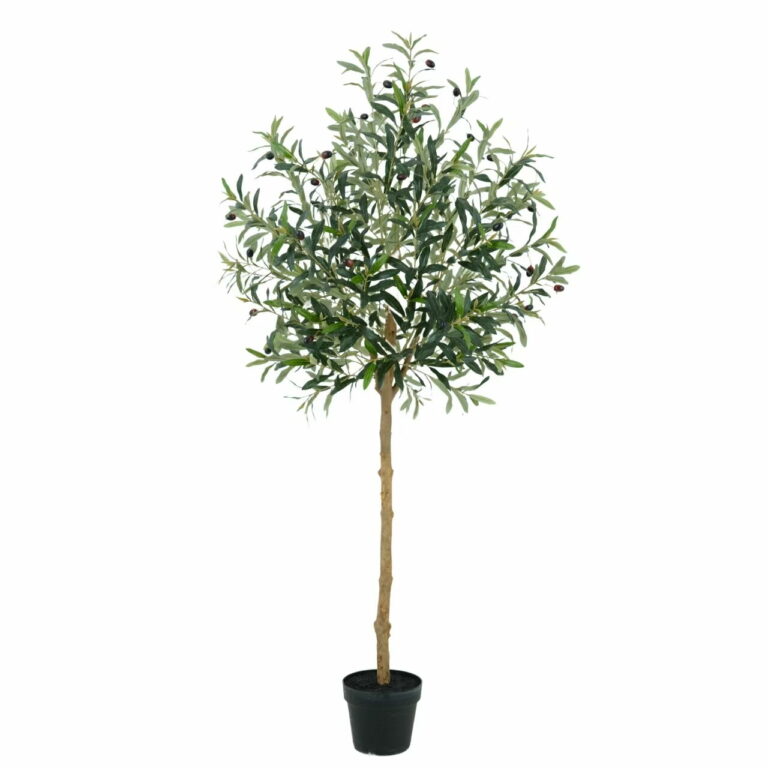
Clients often pick on appearance alone and postpone structural review until fabrication — that’s the mistake. Also, over-lighting or heavy mounted planters on branches adds unexpected torque to the trunk. Specify load tolerances up front; insist on mock-up approval for the trunk’s core support mast. And don’t forget cable access for maintenance—simple, but often skipped. — It’s the small omissions that show up as big repairs later.
Real-world anchor: installations that prove the point
Projects installed across Makati and Bonifacio Global City demonstrate how properly engineered faux trees perform in high-traffic settings. In those urban lobbies, teams used reinforced cores, bolted bases and tested canopy attachments; the result was long-term stability with minimal maintenance. These examples underline why structural rigidity specifications are not optional for public spaces.
Selecting a manufacturer: checklist for buyers
Use a short, practical checklist: 1) Ask for mechanical drawings showing the load-bearing core and anchoring details; 2) Request material test data (UV fade, salt-spray if near coast); 3) Demand references from similar large installations. Prefer suppliers who include installation supervision and a simple maintenance schedule that mentions routine checks of fasteners and joints.
Three golden rules for professional selection
1) Verify structural drawings first: the trunk must be engineered to carry canopy and applied loads with safety margins. 2) Confirm materials and testing: UV-stable foliage and corrosion-resistant cores reduce lifecycle cost. 3) Insist on installation details and aftercare: a well-documented anchoring flange and an accessible maintenance plan prevent surprises.
These rules guide procurement teams and contractors toward predictable outcomes — lower risk, predictable budgets, and a finish that lasts. Sharetrade fits into that workflow as a source of detailed specs and tested solutions — practical, proven, and ready for commercial projects. — Authority backed by real installs and clear metrics.