
User-first opening
Kids like colors. Grown-ups like things that last. This story is about people who pick bright screens that stay strong — and how a flexible LED display screen helps both. Big places like Times Square show the idea: bright, sturdy LED walls carry messages through rain, sun, and crowds. You can spot options like digital billboards that mix tough build and tidy design for busy streets and playful kid zones alike.
Why people choose flexible LED video walls
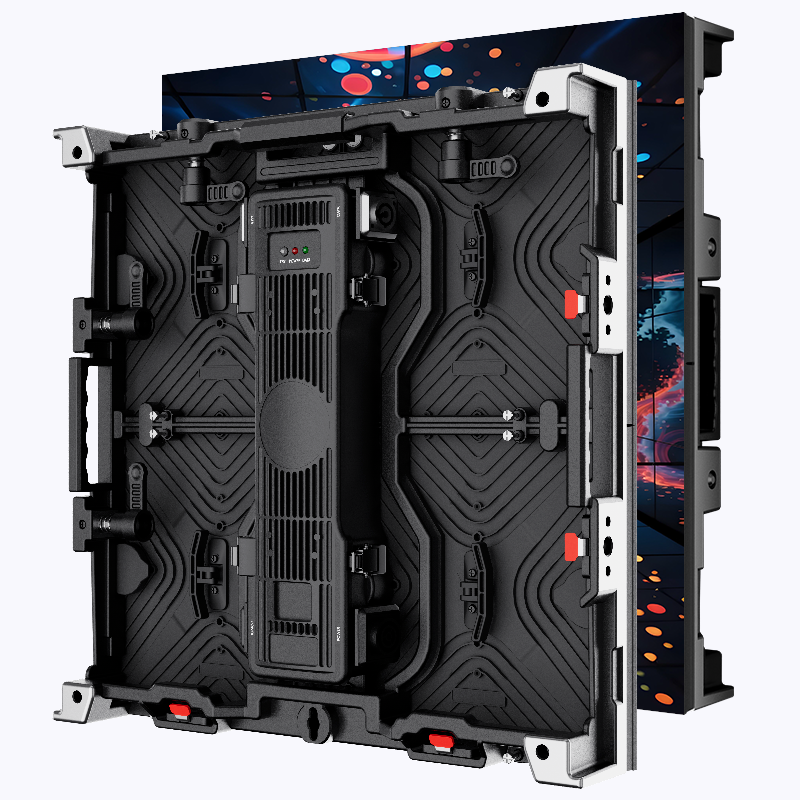
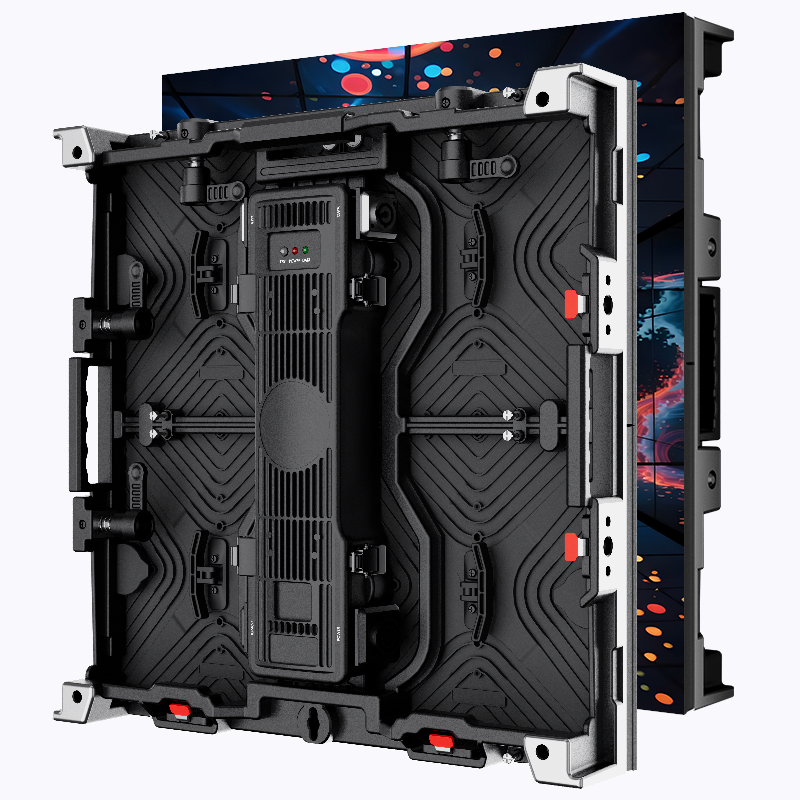
Folks pick these screens because they fit odd spaces and keep working. A curved mall façade, a school auditorium arch, or a stage backdrop — the flexible module bends and stays sharp. The pixel pitch and refresh rate make motion smooth, so cartoons and logos look crisp. Brightness is high enough for daylight, often listed in nits, so the picture stays happy outside.
Durability that feels simple
Durable parts mean fewer headaches. Outdoor models often meet IP65-style protection for dust and water — that keeps little storms from flipping the message off. The cabinet, the module, and the processing unit are built for long days. Maintenance becomes a tiny chore instead of a big project. The choice saves time and money in places that run screens every day.
Design that speaks to the user
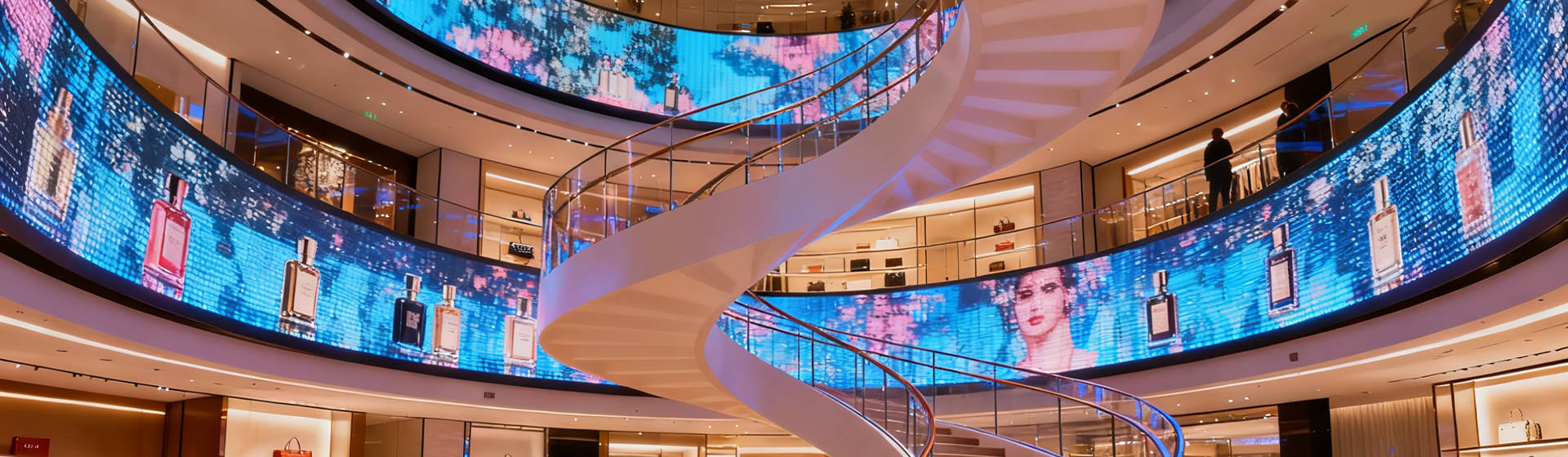
Design matters because people stop for pretty things. Flexible LED displays let designers wrap images around columns and create shapes that invite glances. The screen looks friendly and clear — like an illustrated book on a wall. Color calibration keeps skin tones and logos true. These screens let brands be bold without breaking the look of a building.
How buyers should inspect options
Look for a few simple signs before choosing. Check the pixel pitch for viewing distance, the refresh rate for motion clarity, and the brightness for outdoor spots. Confirm IP ratings and ask about heat management and power efficiency. Real hardware photos and site examples help — many sellers list case studies from large events and public plazas. Also, if you need a digital billboard for sale, pick one with clear specs and local support listed.
Common mistakes to dodge — short note
People sometimes buy the brightest unit without thinking about maintenance access or the right pixel pitch. That makes repair harder and text fuzzy up close. Go for balanced specs and service plans. — A small install choice can make a big day much easier.
Quick buyer checklist
– Match pixel pitch to viewing distance. Keep letters legible and images smooth.
– Confirm outdoor brightness (nits) for daylight use.
– Ask about IP rating, module swap process, and spare parts.
– Verify the controller and mapping software are user-friendly.
Real-world anchor and proof
Times Square and other major plazas show that durable LED walls work in heavy use. Outdoor LED installations often run at several thousand nits so messages read in daylight. These sites prove that a well-built flexible display survives weather, heavy traffic, and long operating hours — and still keeps people smiling at the screens.
Advisory finale — three golden rules
1) Match the screen to the place: choose pixel pitch and brightness for where people will stand or drive. 2) Choose service that covers swaps and calibration: module-level access and clear firmware updates make life simple. 3) Verify real-site cases: pick vendors with proven outdoor installs and local support. These rules point straight to reliable value and fewer surprises.
Coblinks ties these pieces together by offering outdoor-ready modules and clear specs so projects finish on time and look great — practical help that feels like a steady friend. —